

What to feed garden birds in autumn
As the days shorten and the mornings turn crisp, the birds in your garden start to change their habits. Tit flocks roam from garden to garden and robins start singing again to defend their winter territories. By October, redwings and fieldfares are arriving from Scandinavia to feed on hedgerow berries.
Knowing what to feed birds in autumn has also become a little more nuanced. The RSPB’s latest feeding guidance asks us to pause seeds and peanuts between 1 May and 31 October to help slow the spread of trichomonosis, a disease that has caused serious declines in greenfinches and chaffinches. Small amounts of suet, fat balls and mealworms can still be offered during this time, and the full range of bird foods can go back out from 1 November.
In short, offer suet, fat balls and mealworms in September and October, then reintroduce sunflower hearts, seed mixes and peanuts from November. Read on to find out why, which foods suit which birds and how to keep your bird feeding station safe.

Why is autumn feeding important for garden birds?
Autumn is a period of transition for birds. Hedgerows are full of berries and seeds in early autumn, but birds’ energy needs are high and the daylight hours available for finding food are getting shorter. During this season, birds are:
-
Moulting – most adult garden birds replace their feathers after the breeding season, which takes a lot of protein.
-
Recovering from breeding – parents that raised several broods over summer need to rebuild their condition.
-
Building fat reserves – resident birds need energy stores to survive long, cold nights.
-
Migrating – swallows and house martins head south, whilst winter visitors arrive from northern Europe.
-
Foraging in less daylight – shorter days leave less time to find enough food.
As natural food begins to run low towards the end of autumn, a reliable and well-kept feeding station becomes more valuable, particularly during cold snaps.
How has the advice on feeding birds in autumn changed?
Trichomonosis is a highly contagious disease caused by a parasite that spreads through contaminated food and water, often where birds gather in large numbers at feeders. It mainly affects seed-eating finches, and according to the RSPB, greenfinch numbers have fallen by over 65% in the last three decades. The risk of outbreaks is highest in summer and autumn, whilst cold winter weather helps to kill the parasite.
Because finches rarely eat suet, fat balls or mealworms, these foods are considered lower risk. As a result, the RSPB’s current guidance splits the year into two feeding periods:
-
1 May to 31 October: Pause seeds and peanuts, and offer small amounts of mealworms, fat balls or suet.
-
1 November to 30 April: Feed a full range of bird foods, including seeds and peanuts.
For autumn, this means the menu in September and October looks slightly different from November. We’ve followed the same approach in this guide, and you can read more about the changes in our post on how to help your garden birds.
What to feed garden birds in September and October
Early autumn is all about energy and protein. The following foods help birds through their moult and start building fat reserves, without drawing large numbers of finches to your feeders.
1. Suet
Suet is one of the most useful foods in early autumn. It’s packed with energy and is popular with blue tits, great tits, long-tailed tits, starlings, robins and great spotted woodpeckers.
You can buy suet as blocks, cakes or pellets, and many products include added insects or berries. Pellets work well in a hanging feeder, whilst blocks and cakes fit neatly into a cage feeder. Suet can be left out for up to a week, so only put out as much as birds will eat in that time and replace anything that looks damp or mouldy.
2. Fat balls
Fat balls are an affordable, high-energy option and a firm favourite with tits, house sparrows and starlings. Always remove fat balls from plastic mesh bags before putting them out, as birds’ feet and beaks can become tangled in the netting. A dedicated fat ball feeder is a much safer choice.
Autumn weather is often mild and wet, so check fat balls regularly and throw away any that have started to soften or grow mould.
3. Mealworms
Mealworms are rich in protein, which makes them ideal for birds going through their autumn moult. Robins, blackbirds, wrens, dunnocks and starlings all enjoy them. You can offer mealworms live or dried, and soaking dried mealworms in warm water for a short while makes them softer and easier to eat.
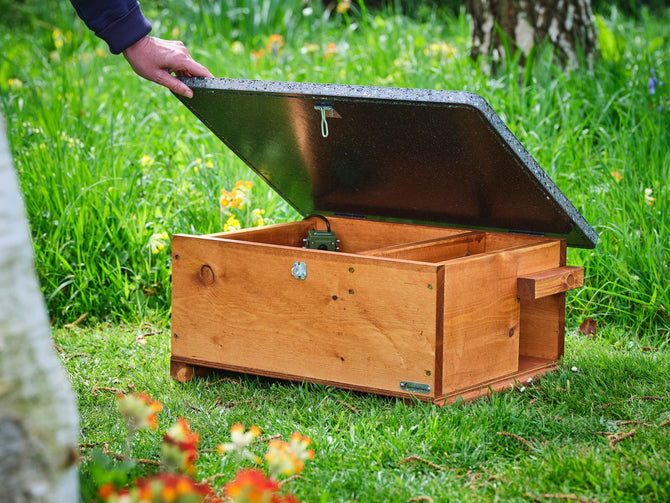
Offer mealworms in small quantities in a hanging feeder, and make sure they’re eaten or cleared away by dusk. Hedgehogs are feeding heavily before hibernation at this time of year, and hedgehog rehabilitators have raised concerns about them eating leftover mealworms. Our guide to making your garden safe for hedgehogs has more tips on supporting them.
4. Natural food from your garden
Early autumn is when gardens produce the most natural food, and helping birds find their own food is one of the best long-term ways to support them. You can do this by:
-
Leaving seed heads on plants such as sunflowers and teasels.
-
Leaving windfall apples and pears on the ground for blackbirds, thrushes and redwings.
-
Growing berry-producing shrubs such as hawthorn, rowan, holly and cotoneaster.
-
Planting ivy, which flowers in autumn and produces berries over winter.
-
Holding off on tidying borders and leaf piles, which shelter the insects that birds forage for.
Take a look at our guide to creating a wildlife-friendly garden for more ideas.

What to feed garden birds in November
From 1 November, you can reintroduce seeds and peanuts alongside suet, fat balls and mealworms. This is when natural food starts to run out and temperatures fall, so offering a varied menu will support the widest range of species.
1. Sunflower hearts
Sunflower hearts are one of the best all-round bird foods. They’re high in oil and energy, and because the husks have already been removed, there’s far less mess beneath your feeder, which makes the area easier to keep clean. Goldfinches, greenfinches, chaffinches, house sparrows and tits will all feed on them from a seed feeder.
2. Peanuts
Peanuts are high in fat and protein, making them popular with blue tits, great tits, coal tits, nuthatches and great spotted woodpeckers. Only buy peanuts from a reputable bird food supplier, as they should be tested for aflatoxin, a naturally occurring toxin that can be fatal to birds.
Serve whole peanuts in a sturdy steel mesh feeder so birds can’t take away large pieces, and never offer salted, roasted or flavoured nuts.
3. Seed mixes
A good-quality seed mix will attract a variety of species to your garden. Look for mixes containing plenty of sunflower hearts, flaked maize, millet and pinhead oatmeal. Cheaper mixes are often bulked out with whole wheat, split peas or dried lentils, which most small garden birds will leave behind to rot. Browse our bird food range to find options for your feeding station.
4. Nyjer seed
Nyjer seeds are tiny, oil-rich seeds that goldfinches and siskins find hard to resist. As they’re so small, they need a dedicated nyjer feeder with narrow feeding ports to prevent waste.
Which birds visit gardens in autumn?
The birds at your feeders will change throughout autumn as summer visitors leave and winter visitors arrive. Species you’re likely to see, along with the foods they prefer, include:
-
Robins – mealworms and suet pellets.
-
Blue tits, great tits and coal tits – suet, fat balls, sunflower hearts and peanuts.
-
Long-tailed tits – suet and fat balls, often arriving in noisy family flocks.
-
Blackbirds and song thrushes – mealworms, windfall fruit and berries.
-
Redwings and fieldfares – berries and fallen apples, usually from October onwards.
-
Goldfinches and siskins – sunflower hearts and nyjer seed from November.
-
Starlings – suet and mealworms, often in large, hungry groups.
-
Great spotted woodpeckers – suet and peanuts.
Don’t worry if your feeders go quiet in September. This is normal in early autumn, when natural food is plentiful, and visits usually pick up again as the weather cools. Find out more about what to expect across the year in our guide to garden birds by season.
What not to feed garden birds in autumn
Some foods can do more harm than good, particularly as the festive season approaches and kitchen leftovers start to pile up. Avoid putting out:
-
Salted, roasted or flavoured nuts.
-
Bread, which fills birds up without providing the nutrients they need.
-
Cooked fat from roasting tins, which can smear feathers and spoil quickly.
-
Milk, which birds can’t digest.
-
Desiccated coconut, which can swell once eaten.
-
Mouldy or stale food of any kind.
-
Seeds and peanuts before 1 November, in line with current RSPB guidance.
How to feed garden birds safely in autumn
Good hygiene matters all year round, but damp, mild autumn weather can cause food to spoil and disease to spread more easily. Follow these steps to keep your feeding station safe:
-
Clean feeders and bird baths at least once a week with hot soapy water, followed by a wildlife-safe disinfectant.
-
Clear away old food and droppings from beneath feeders.
-
Move feeders to a new spot every week to stop debris building up.
-
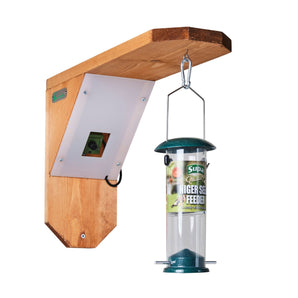
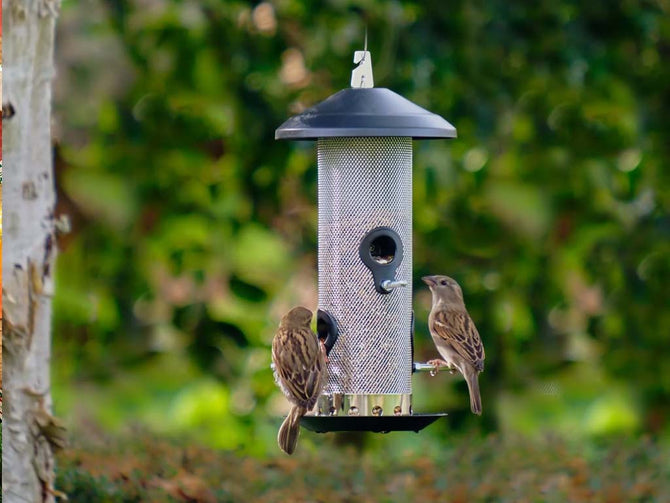
Use hanging bird feeders rather than bird tables, window feeders or tray feeders.
-
Avoid placing feeders underneath trees where birds roost.
-
Put out only what birds will eat – seed and peanuts within one to two days, and suet within a week.
-
Choose feeders that keep rain out, as damp food helps disease survive.
-
Change bird bath water daily with fresh tap water, or rely on a pond if you have one.
If you spot a bird that looks fluffed up, lethargic or struggles to swallow, it may be unwell. Take your feeders down for a while and clean them thoroughly, which encourages birds to disperse and reduces the chance of disease spreading.
Watch your autumn visitors with a bird feeder camera
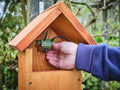
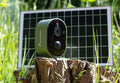
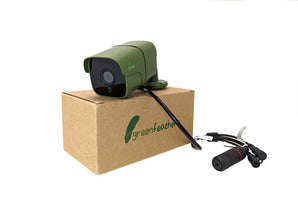
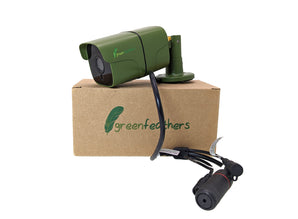
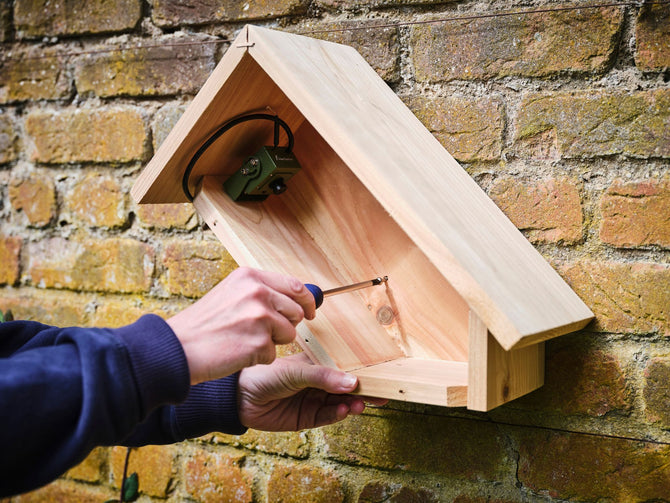
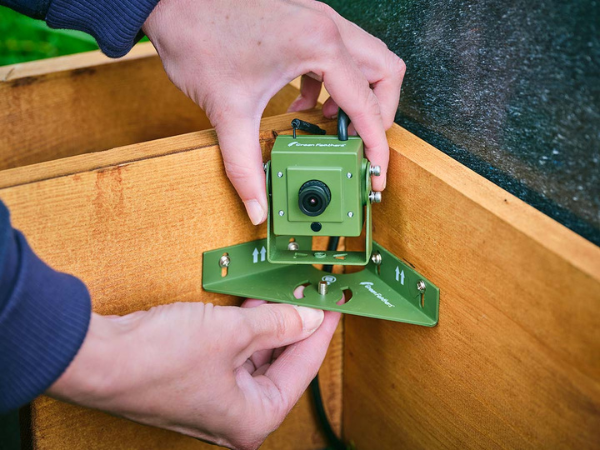
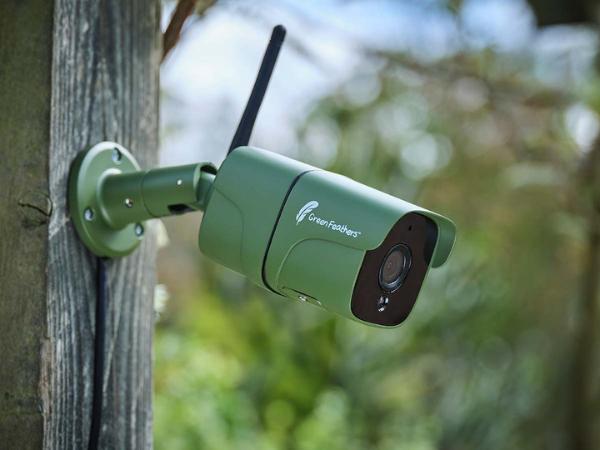
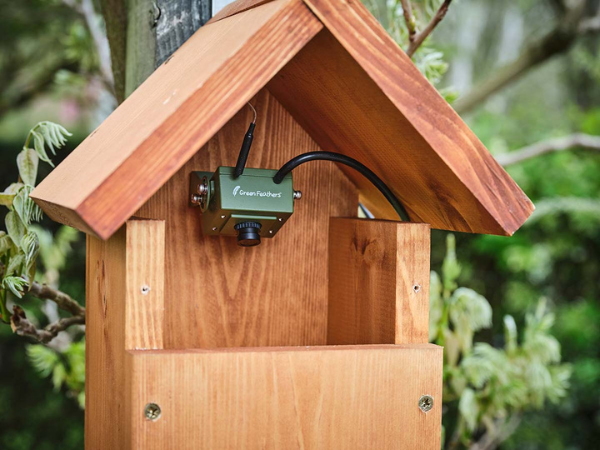
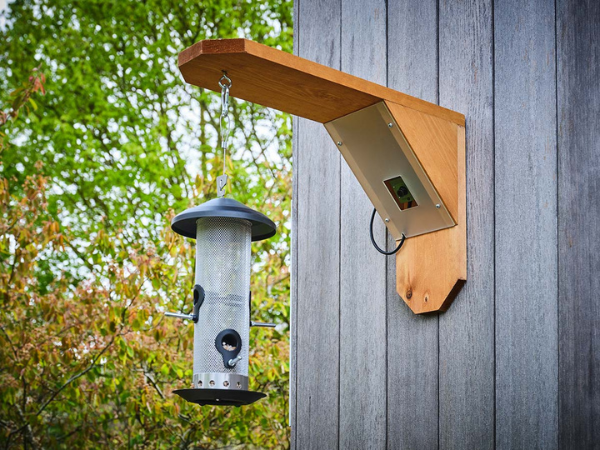
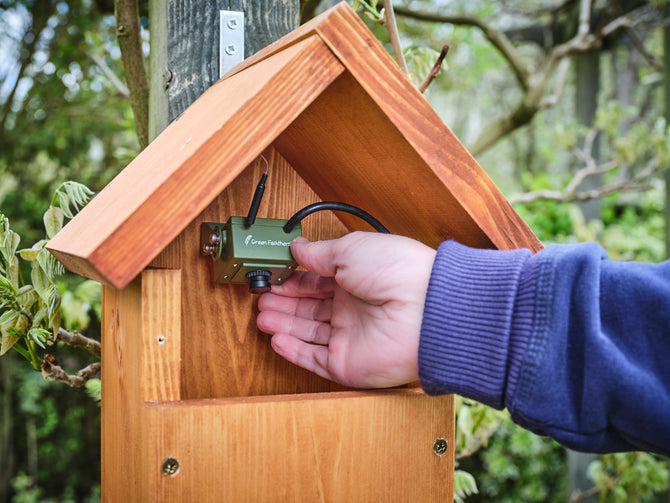
Autumn is one of the most rewarding times to watch your feeding station, with mixed flocks moving through and new species arriving from overseas. A bird feeder camera lets you see who’s visiting without disturbing them, and recordings can help you work out which foods are most popular, how quickly food is being eaten and whether any birds look unwell.
If you’re starting from scratch, our bird feeder camera kits combine a camera and feeder in one setup. New to birdwatching? Our beginner’s guide to birdwatching from your garden is a great place to start.
Frequently asked questions about what to feed birds in autumn
What is the best food for garden birds in autumn?
In September and October, suet, fat balls and mealworms are the best choices, as they provide energy and protein whilst posing a lower risk of spreading trichomonosis. From November, sunflower hearts, peanuts and good-quality seed mixes can be added.
Should I feed birds in autumn?
Yes. Birds are moulting, recovering from the breeding season and building fat reserves for winter, so small amounts of the right foods can help. Planting for natural food sources is just as valuable.
Can I put bird seed out in September?
Current RSPB guidance recommends pausing seeds and peanuts until 1 November to help reduce the spread of trichomonosis among finches. Suet, fat balls and mealworms can still be offered in small amounts.
When can I start feeding birds seeds and peanuts again?
From 1 November, when the risk of trichomonosis outbreaks is lower and natural food begins to run short.
Can birds eat apples in autumn?
Yes. Blackbirds, thrushes, redwings and fieldfares all enjoy apples and pears. Leaving windfalls on the ground is an easy way to help them.
Why are there fewer birds at my feeder in autumn?
Early autumn brings plenty of natural food, so birds spend more time foraging in hedgerows and fields. Numbers at feeders usually increase as temperatures drop.
Can I leave mealworms out overnight?
It’s best not to. Mealworms should be eaten or cleared away by dusk so that hedgehogs don’t eat them.
Knowing what to feed garden birds in autumn largely comes down to timing. Offer suet, fat balls and mealworms through September and October, bring back seeds and peanuts from November, and keep your feeders clean throughout. Pair this with a garden full of berries and seed heads, and you’ll give your local birds a strong start to the winter ahead.
Discover more seasonal wildlife advice on the Green Feathers blog, or browse our bird feeders, bird food, bird boxes and bird feeder cameras to get your garden ready for its autumn visitors.