


One of the quiet pleasures of having a garden is that it never shows you the same thing twice. The cast of birds visiting your feeders, birdbath, and hedgerow changes with the months, reflecting the rhythms of migration, breeding, moult, and survival. Understanding how garden bird activity shifts across the seasons makes every visit to the window feel a little more meaningful, helps you provide exactly the right food and shelter at exactly the right time, and teaches you how to attract goldfinches and other vibrant species to your space.
This guide walks you through what to expect in spring, summer, autumn, and winter: from the first bursts of song in February to the midwinter flocks that rely on garden feeding stations to see them through to spring.
Spring: Song, Territory, and New Arrivals
Spring is the most dramatic transformation in the garden bird calendar. As day length increases from late February onwards, resident birds begin to sing with real intent, staking out territories and attracting mates. The dawn chorus peaks in April and May and, if you can rouse yourself early enough to hear it, it is one of the most extraordinary natural sounds in the British countryside. Resident species to watch in spring include:
-
Robin: one of the earliest singers, often heard before dawn. Males sing to defend territory almost year-round, but spring song has a particular urgency.

-
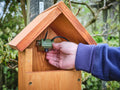
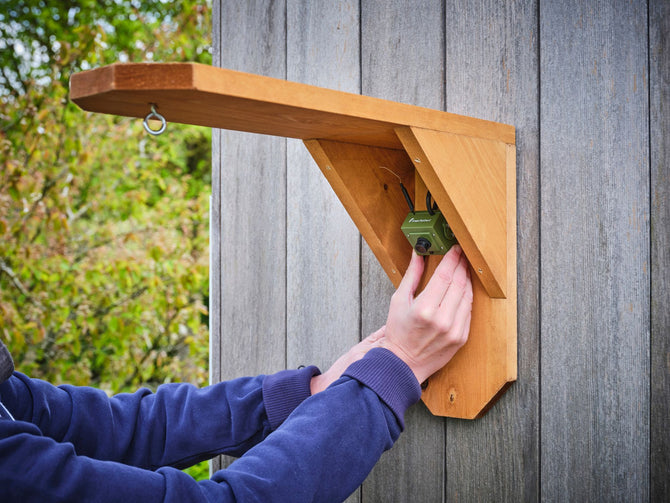
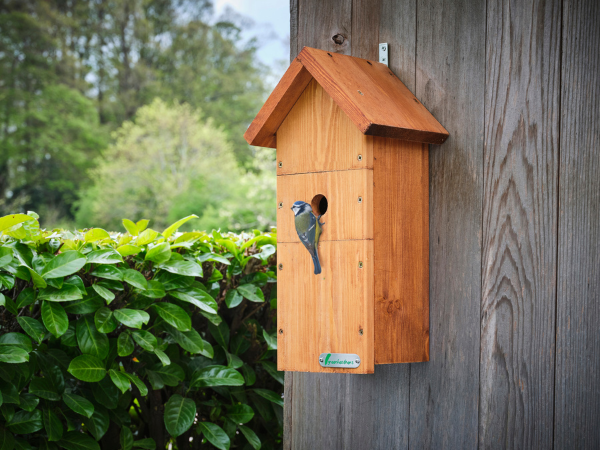
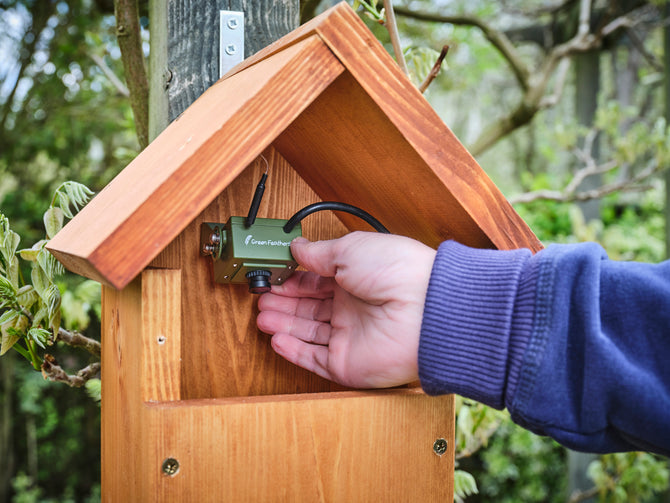
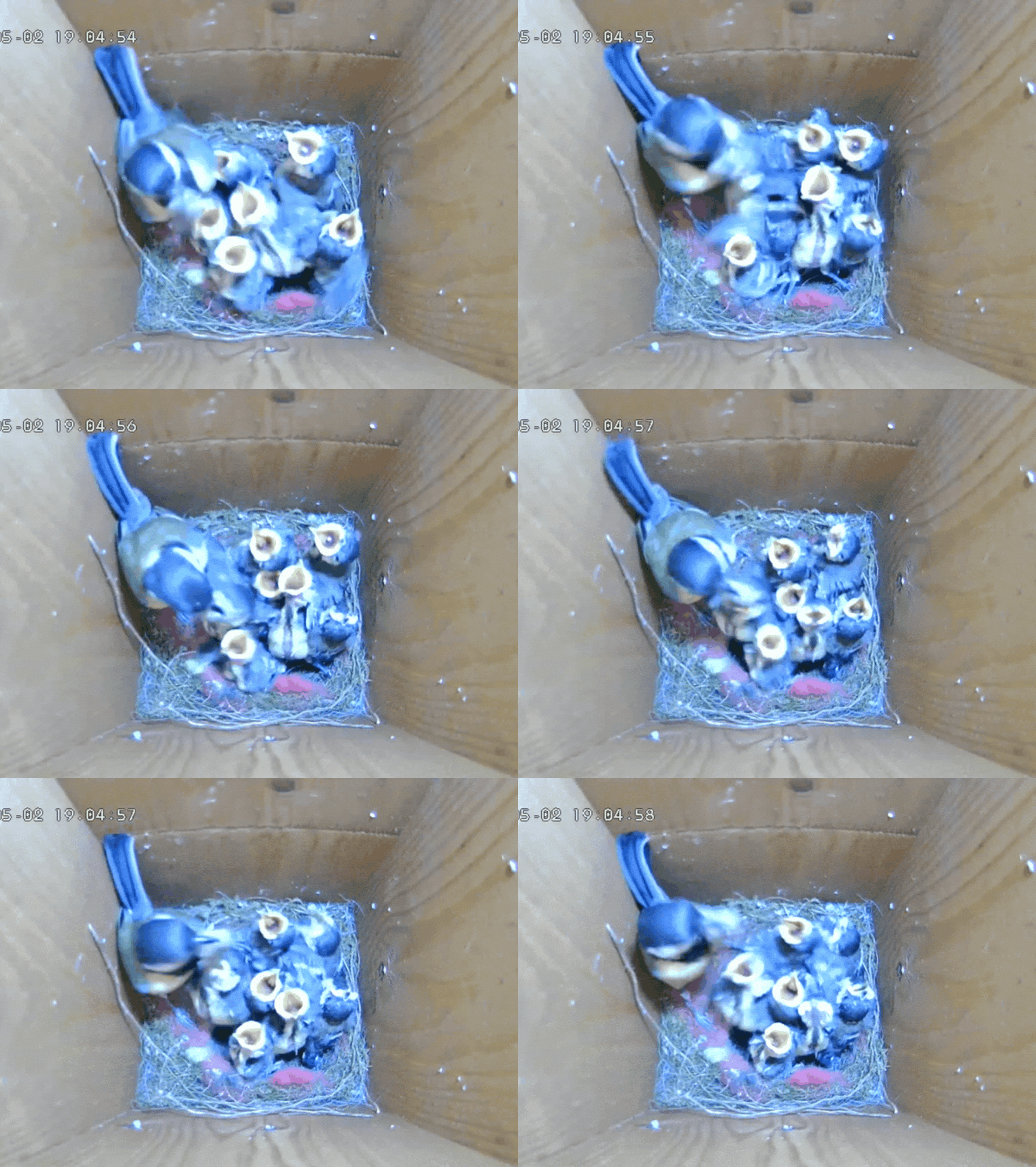
Great tit and blue tit: both become highly visible as they prospect for nest sites. Tits will readily use nest boxes, so spring is the time to ensure yours are clean and correctly positioned.
-
Blackbird: the rich, fluty song of the male blackbird is a defining sound of the season. Look for nest-building activity in dense shrubs and hedgerows from March onwards.
-
Song thrush: less common than it once was, but a garden visit from a song thrush is a real treat. Listen for repeated musical phrases, each sung two or three times.
-
Dunnock: often overlooked as it shuffles quietly under feeders, but the dunnock is a talented singer with a surprisingly complex social life.
Spring also brings migratory arrivals. Swallows, house martins, and swifts return from their African wintering grounds between April and May. While they rarely visit garden feeders, they are a reliable sign that the season has fully turned. If you have a house with suitable eaves, putting up a swift or house martin nest cup is one of the most impactful things you can do for these rapidly declining species.
In terms of feeding, spring is a transition period. Knowing what to feed garden birds at this time of year is crucial, as parent birds need high-protein food to fuel nest-building and egg production, and later to feed their chicks. Mealworms, live or dried, are outstanding at this time of year, as are suet pellets.
Summer: Quiet Gardens and Hidden Families
Summer can feel like a quieter time for garden birdwatching, and in some ways it is. Territorial song fades as the breeding season progresses, and many adult birds undergo their annual moult in July and August, making them look scruffy and behave more secretively than usual. Feeder visits may drop noticeably as birds find natural food, insects, berries, seeds, in good supply. Don't be discouraged. Summer offers its own rewards. Look for:
-
Juvenile birds: from June onwards, gardens fill with young birds making their first independent forays. Juvenile robins are spotted rather than red-breasted; young starlings are dull brown; young blackbirds look mottled. Learning to identify juveniles is one of the pleasures of the season.
-
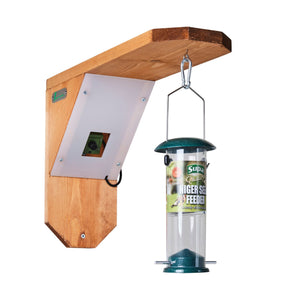
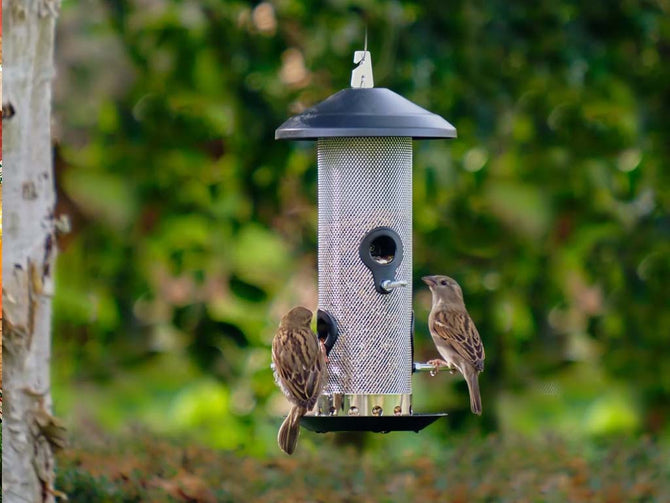
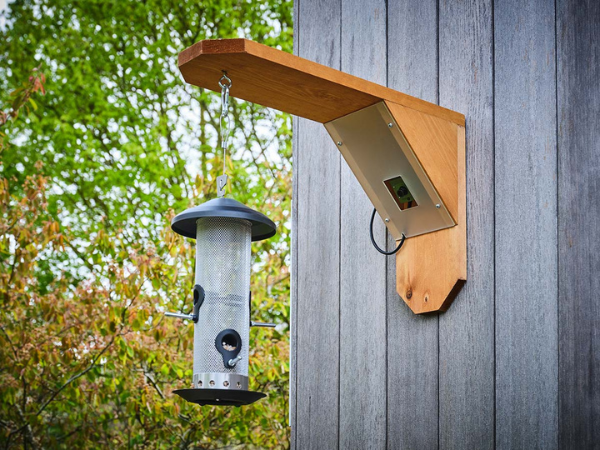
Goldfinch: summer is one of the best times to experiment with how to attract goldfinches, which gather in flocks (charmingly called a "charm") to feed on teasel and niger seed. A niger feeder hung in a sunny spot can draw them reliably.

-
House sparrow: colonies of house sparrows are noisy and sociable, and watching the adults ferry food to demanding fledglings is one of summer's best garden dramas.
-
Swift: not a garden feeder visitor, but the screaming parties of swifts overhead on warm evenings are one of summer's most joyful sounds. They depart for Africa in August, often vanishing almost overnight.
Water matters more in summer than at any other time of year. A clean, shallow birdbath refreshed daily will be used constantly, for drinking, bathing, and cooling down. Place it in a spot with clear sightlines so birds can spot approaching predators, and position it away from dense cover where cats can hide. Food provision needn't stop in summer, but you can scale back compared to winter. Fresh water is the single most valuable offering you can make in warm weather.
Autumn: Arrivals, Berries, and the Big Flocks

Autumn brings one of the most exciting shifts in the garden bird year. As migratory species leave for warmer climates, new arrivals begin to appear from the north and east: birds that have spent their summer breeding in Scandinavia and Iceland, coming to Britain to enjoy what, for them, is a relatively mild winter. Key birds to look for in autumn include:
-
Redwing and fieldfare: both are Scandinavian thrushes that arrive from October onwards. They are drawn to gardens with berry-bearing shrubs: holly, hawthorn, cotoneaster, and rowan are all excellent choices. Redwings are smaller with a distinctive cream eyestripe; fieldfares are larger, grey-headed, and often seen in noisy flocks wheeling over fields.
-
Blackcap: traditionally a summer migrant, but an increasing number of central European blackcaps now overwinter in Britain. They are bold birds and will readily visit suet and fruit on the bird table.
-
Long-tailed tit: autumn sees these sociable birds move through gardens in family parties, acrobatically working through trees and feeders together. Once you spot one, scan the surrounding branches, as there will almost always be more.
-
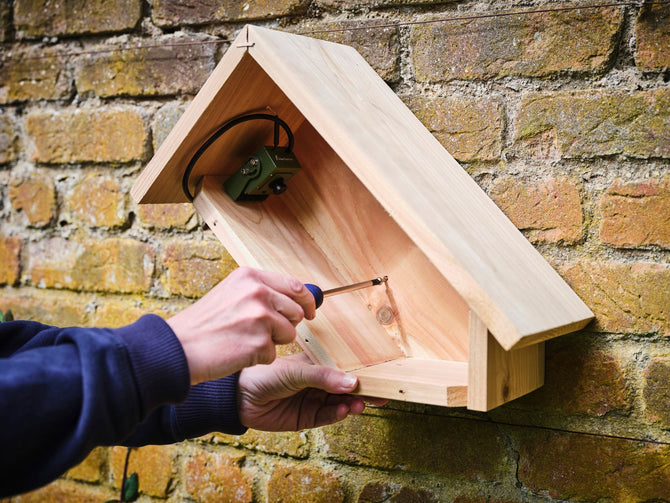
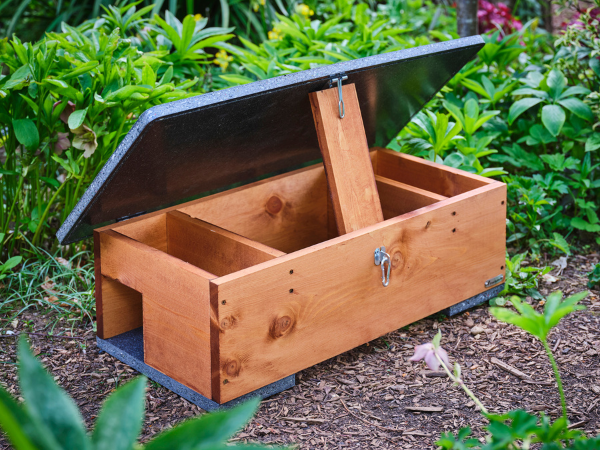
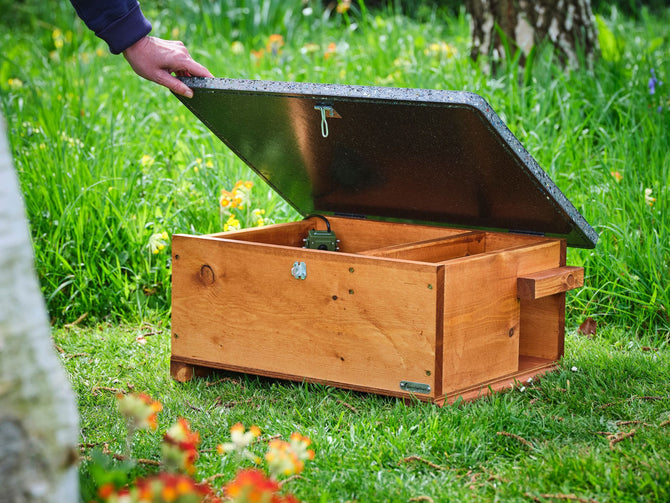
Starling: autumn murmuration season begins as starlings gather in increasingly large pre-roost flocks. Even small urban gardens can receive starling visits at this time of year, and they are enthusiastic consumers of suet and mealworms. Meanwhile, on the garden floor, local hedgehogs are busy foraging for fat reserves before hibernation, making autumn the perfect time to clear a quiet corner for a ground habitat and set up a hedgehog house camera to watch them prepare for the winter months.
Berry-bearing plants earn their keep in autumn. A mature rowan or hawthorn can be stripped in a day by a fieldfare flock. If you have space in your garden, planting for wildlife means thinking about what fruits in October, not just what flowers in May. This long-term habitat planning is also a brilliant secret weapon for how to attract goldfinches later in the year.
This is also the time to prepare your feeding station for the busy months ahead. Clean feeders thoroughly, check for damage, and stock up on quality seed mixes, suet products, and mealworms. Getting into a reliable routine now pays dividends for the birds through the hardest part of the year.
Winter: What to Feed Garden Birds

Winter is when garden feeding makes the most tangible difference to bird survival. Natural food, insects, berries, seeds, becomes progressively harder to find as temperatures drop and daylight shortens. A well-stocked feeding station can be the difference between life and death for resident birds during prolonged cold snaps. Winter regulars at the feeder include:
-
Blue tit and great tit: both are feeder staples, visiting in quick bursts throughout the day and clinging acrobatically to hanging feeders. Coal tits and marsh tits may also appear, particularly in gardens near woodland.
-
Nuthatch: a stunning bird with blue-grey upperparts and an apricot belly. Nuthatches descend head-first down tree trunks and will dominate a feeder if allowed to. Look for them caching food in bark crevices.
-
Chaffinch and brambling: chaffinches are year-round residents, but the brambling, its Scandinavian cousin, arrives in winter and feeds alongside them on fallen seed beneath feeders. Look for the brambling's orange shoulder patch and white rump.
-
Robin: winter robins are among the most visible garden birds, frequently accompanying gardeners digging over borders in search of exposed worms and invertebrates. Continental robins also arrive to overwinter, so your garden may host more than you realise.
-
Wren: easily overlooked given its small size, but wrens are intensely active winter visitors, probing low cover and the base of hedgerows for insects and spiders. On very cold nights, they roost communally, sometimes dozens packed into a single nest box for warmth. It's a reminder that winter shelter is vital for all wildlife; just as birds huddle in boxes, hedgehogs are turning to garden structures for safety, which you can discreetly monitor using a hedgehog house camera.
Winter feeding priorities focus heavily on high-energy, high-fat foods. When considering what to feed garden birds during a frost, opt for suet products (balls, pellets, and blocks), sunflower hearts, and quality mixed seed.
If snow is forecast, move ground-feeding food to a sheltered spot or put out extra on a table. Blackbirds, song thrushes, and fieldfares often struggle most when snow covers the ground, cutting off access to earthworms and fallen berries.
Watching All Year Round: Making the Most of Every Season
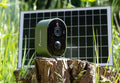
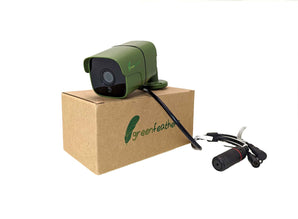
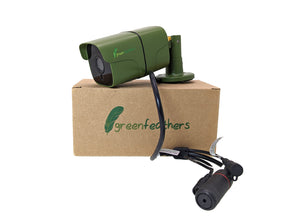
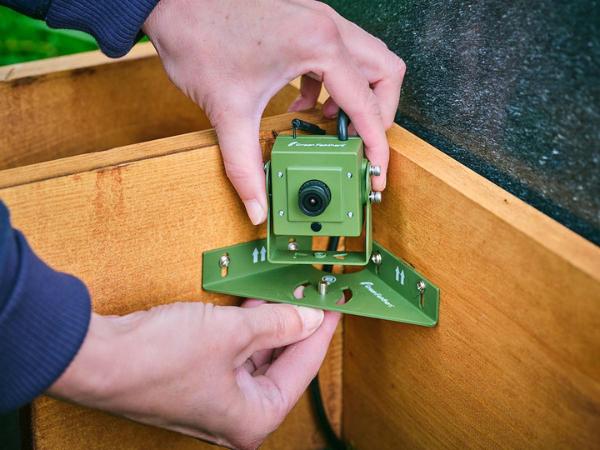
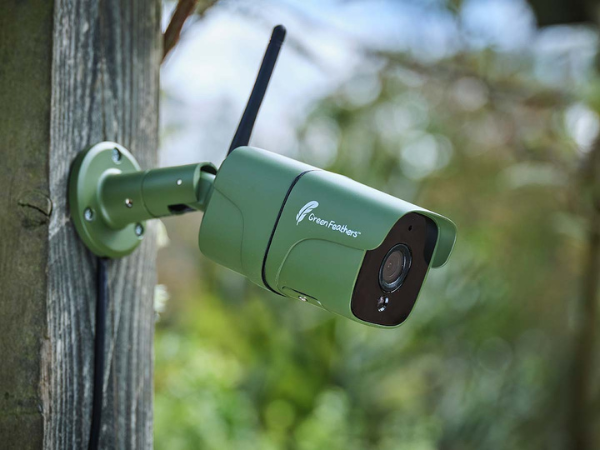
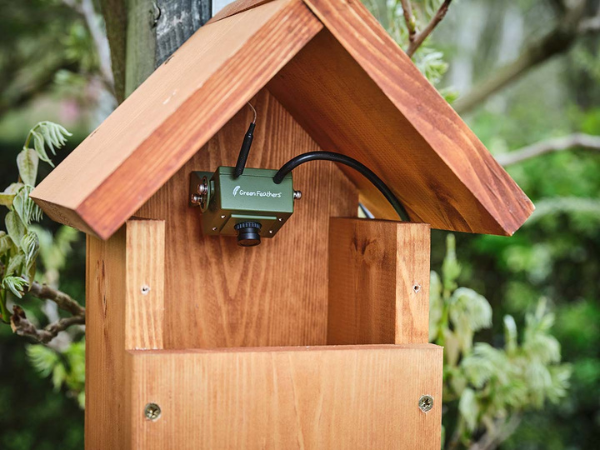
The best gardens for birds offer something in every month: food, clean water, nesting sites, and natural cover. Whether your primary goal is learning how to attract goldfinches or simply documenting the seasonal turnover, a wildlife camera positioned near a feeding station captures the visits you would otherwise miss.