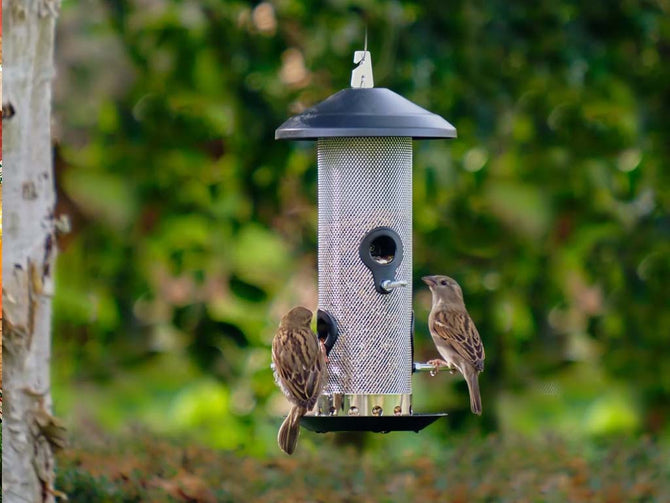

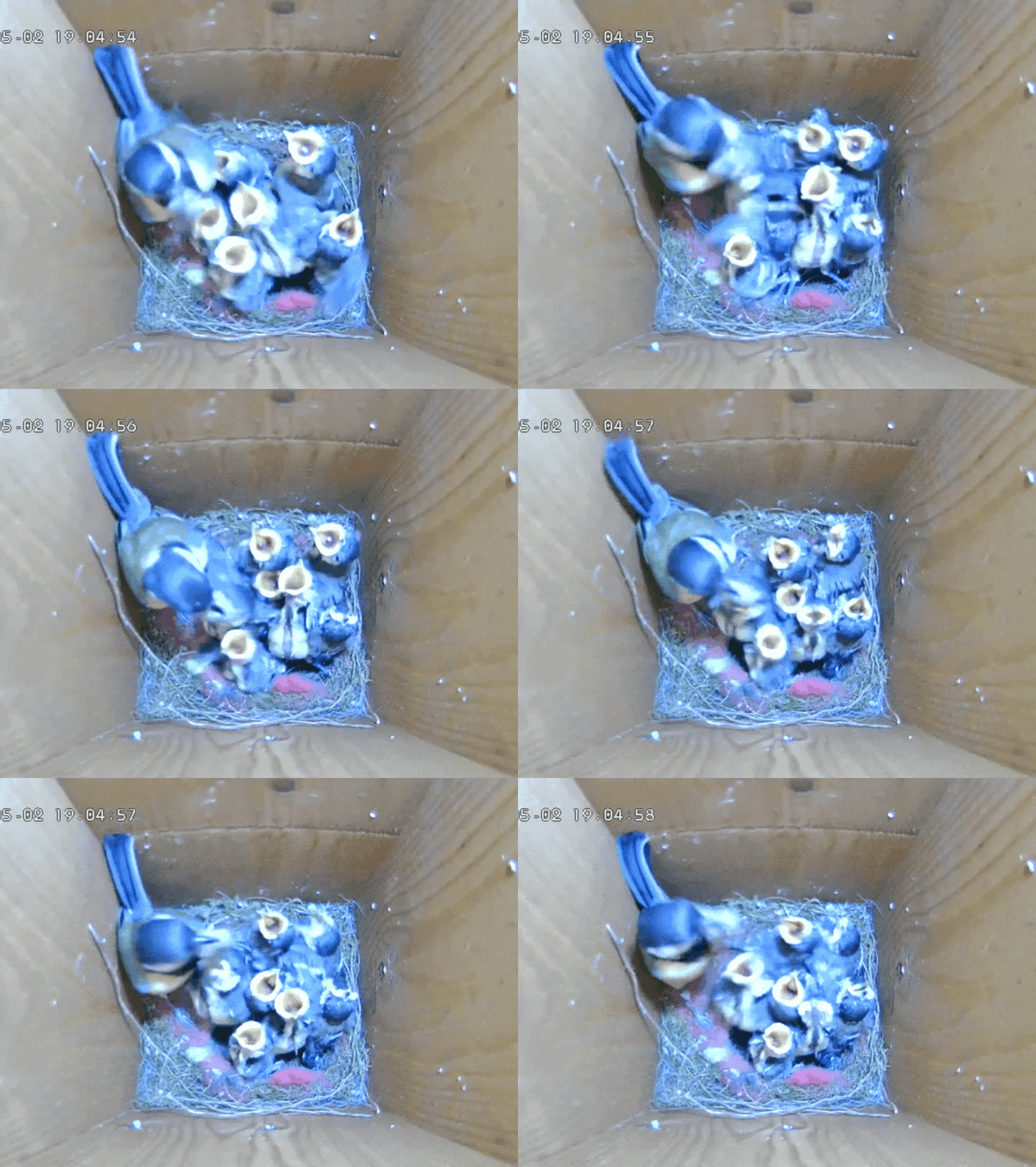

Studies have revealed a concerning decline in some of our favourite garden birds, largely due to a disease known as trichomonosis. This highly contagious illness spreads easily in places where birds congregate in large numbers, such as around garden feeders
How you can help
We can reduce the spread of disease among garden birds with two simple changes to the way we feed them: feed seasonally and feed safely.

1. Feed seasonally
In summer and autumn, the risk of disease transmission is higher, but birds also have greater access to natural food sources like seeds and insects.
May 1st to October
- Take a break from filling feeders with seeds or peanuts.
- You can still provide small amounts of mealworms, fat balls or suet.
November 1st to April 30th
It’s safe to offer a full range of bird foods again, including seeds and peanuts.

2. Feed safely
Crowded feeding areas can quickly become breeding grounds for disease. Keeping everything clean and well managed is key to protecting garden birds, which is why hygiene matters more than ever. We recommend:
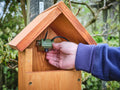
- Clean feeders and water baths weekly. Good hygiene is essential—remove any leftover food and clear away droppings from the ground beneath feeders.
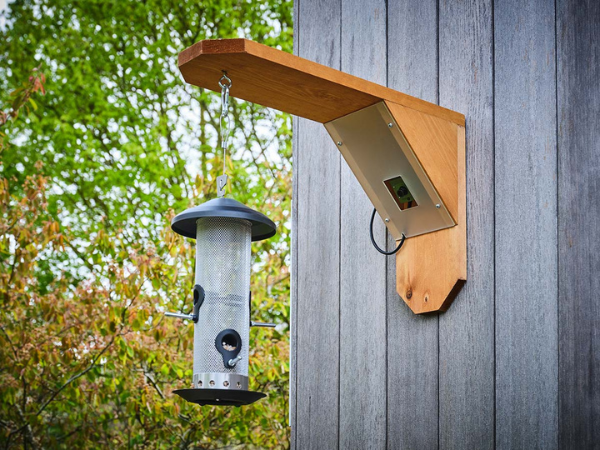
- Move feeders regularly. Changing their position each week helps prevent a build-up of contaminated debris. If you use multiple feeders, spread them out to reduce crowding and limit contact between different species.
- Avoid placing feeders under roosting spots. Keep them away from areas like trees where birds perch overnight, as droppings can contaminate food below.
- Skip flat-surfaced feeders. Bird tables, window feeders and tray-style designs can allow contaminated food to collect, increasing the risk of disease.
- Feed in moderation. Only put out what birds will eat within one to two days, and adjust quantities to avoid excess.
- Keep food dry. Moist conditions encourage disease to thrive, so use feeders that keep rain out and minimise condensation.
- Refresh water daily. Only provide water if you can change it every day, using clean tap water. A pond is an excellent alternative for offering a reliable water source.
- Encourage natural feeding. Supporting birds to find their own food is one of the best long-term solutions. Plant bird-friendly species like sunflowers, teasels and ivy to provide natural food sources.