


As summer draws to a close, some familiar birds begin to disappear from Britain's gardens, fields and skies. The swifts that screamed overhead in July are suddenly gone, swallows gather on telephone wires, and the countryside gradually grows quieter.
So, which birds migrate from the UK in autumn? Some of our best-known summer visitors, including swallows, swifts, house martins, cuckoos and several warblers, leave Britain to spend the colder months in Africa. Others, such as ospreys, wheatears and spotted flycatchers, also make the journey south.
Their departures happen gradually, beginning in late summer and continuing through October. And while these birds are leaving, others are travelling to the UK to escape colder conditions further north.
Which UK birds migrate in autumn?
Many birds that spend summer in Britain depend on flying insects for food. As the days shorten and insect numbers decline, they travel to regions where food remains available through winter.
Here are some of the summer visitors you can expect to see departing.
Swallows
Swallows are among Britain's most recognisable migratory birds, with their long, forked tails, dark blue backs and reddish throats.
From September into October, you may notice swallows gathering in large groups on overhead wires or flying low over fields. These gatherings often signal that they're preparing for their long journey to southern Africa.
Swallows feed on insects caught in flight, so they benefit from spending winter somewhere warmer, where insects remain plentiful.
Swifts

Swifts are usually among the earliest summer visitors to leave. Most depart during July and August, although occasional birds can be seen later.
You can recognise them by their dark bodies, long, curved wings and distinctive screaming calls as they race around rooftops. They spend almost their entire lives in the air, catching insects and even sleeping while flying.
Once they've finished breeding in Britain, swifts head towards Africa. Their early departure explains why summer evenings can suddenly feel quieter long before autumn officially begins.
They spend almost their entire lives in the air, catching insects and even sleeping while flying. Their unusual nesting habits bring them back to buildings in Britain each spring, where they return to established nesting sites.
House martins and sand martins
House martins are often confused with swallows, but they have shorter, forked tails and a distinctive white patch above the tail, known as the rump. They're familiar visitors around buildings, where they construct mud nests beneath the eaves.
Most house martins leave during September and October, although some remain into November.
Sand martins are smaller, brown-backed birds with white undersides and a brown breast band. They nest in sandy banks, often near rivers or gravel pits, and generally begin departing earlier than house martins.
Both species travel to Africa for winter. You might see them feeding together with swallows over lakes and open countryside as migration approaches.
Cuckoos
The cuckoo's familiar call is closely associated with spring, but you'll rarely hear it by autumn.
Adult cuckoos begin leaving Britain as early as June and July, with younger birds following later. By September, most have already departed.
Cuckoos are unusual because they lay their eggs in other birds' nests rather than raising their own chicks. Young cuckoos must eventually make their first migration to Africa without guidance from their parents.
Willow warblers and other summer warblers
Several of Britain's summer warblers leave during late August, September and October.
The willow warbler is a small, greenish-brown bird with pale underparts and a light stripe above its eye. In spring, its gentle, descending song can be heard in woodland, scrub and gardens.
Other departing warblers include whitethroats, garden warblers, reed warblers and sedge warblers.
The chiffchaff is a slightly different case. Although many migrate south, increasing numbers spend winter in Britain, particularly in milder areas. Blackcaps also have a mixture of migratory and wintering populations.
So, spotting a warbler in November doesn't necessarily mean it's unusually late to leave.
Spotted flycatchers
Spotted flycatchers are rather plain-looking brown birds, but their hunting technique makes them fascinating to watch.
They often perch on a branch, dart into the air to catch an insect, and return to the same spot. This behaviour makes them easier to recognise than their subdued colouring might suggest.
They typically leave Britain during August and September, travelling to Africa for winter. You may encounter them in mature gardens, parks, woodland edges and churchyards.
Ospreys
Ospreys are large birds of prey that feed mainly on fish. They breed around suitable lakes, rivers and reservoirs, particularly in Scotland, although breeding populations are established in parts of England and Wales too.
During August and September, many begin migrating towards West Africa, while some winter elsewhere, including southern Europe.
If you live near a large body of water, autumn can provide a chance to watch an osprey fishing or passing overhead on migration.
Wheatears and other countryside migrants
Wheatears breed in open, rocky habitats and upland areas. They have pale underparts and a striking white rump, which becomes especially noticeable when they fly away.
During late summer and autumn, migrating wheatears can appear in coastal fields, grassland and other open spaces far from their breeding territories.
Other species heading south include redstarts, whinchats, yellow wagtails, turtle doves and hobbies. Some are widespread summer visitors, while others are much less frequently encountered.
When do birds leave the UK?
Autumn migration starts earlier than many people expect. Some birds are already heading south in July, while others remain until October or occasionally November.
|
Bird |
Main departure period |
|
Cuckoo |
June to September |
|
Swift |
July to August |
|
Sand martin |
August to September |
|
Willow warbler |
August to October |
|
Spotted flycatcher |
August to September |
|
Osprey |
August to September |
|
Swallow |
September to October |
|
House martin |
September to October, sometimes later |
|
Wheatear |
August to October |
|
Reed warbler |
August to October |
These are typical periods rather than fixed departure dates. Weather, breeding success, location and individual differences all affect when birds leave.
The British Trust for Ornithology's autumn migration records show how late some summer visitors can still be recorded in different parts of Britain
Why do birds migrate away from Britain?
For most of our summer migrants, the main reason for leaving is food.
Britain provides excellent breeding conditions during spring and summer, when longer days and an abundance of insects give parent birds plenty of opportunities to feed their young.
In autumn, those conditions change. Falling temperatures and shorter days reduce the availability of many insects, making it difficult for insect-eating birds to remain through winter.
Migration allows them to use the seasonal food supplies available in different parts of the world.
Birds prepare for these journeys by building up energy reserves. Changes in day length help trigger migratory behaviour, while their navigation can involve the sun, stars, Earth's magnetic field and familiar geographical features.
Some travel mainly at night, while others migrate during daylight. They may also stop along the way to rest and feed before continuing their journey
Where do Britain's migrating birds go?
Africa is the main winter destination for many of our summer visitors, but the journeys vary considerably.
Swallows travel as far as southern Africa, while swifts range across parts of sub-Saharan Africa. Ospreys commonly spend winter in West Africa, although their destinations vary.
Other species travel shorter distances, sometimes wintering around the Mediterranean or in southern Europe.
Migrating birds also follow different routes. Some cross the English Channel and continue south through Europe, while others cross the Mediterranean or Sahara. Their routes can involve thousands of miles of flying and several feeding stops.
These long journeys carry risks, including severe weather, exhaustion and the loss of suitable habitats along migration routes
Which birds arrive in the UK during autumn?
As our summer visitors depart, new arrivals begin appearing in Britain.
Fieldfares and redwings travel from northern and eastern Europe to spend winter here. They can often be spotted feeding on berries in hedgerows, orchards and open countryside.
Other autumn arrivals include:
-
Pink-footed geese: Large flocks arrive from Iceland and Greenland, often travelling in noisy V-shaped formations.
-
Whooper swans: These swans migrate mainly from Iceland and can be found around wetlands and agricultural fields.
-
Brent geese: They arrive from Arctic breeding areas and spend winter around coastal habitats.
-
Wintering ducks and waders: Many species, including wigeon and various shorebirds, arrive from colder northern regions.
Some birds, including starlings, blackbirds and robins, are present in Britain throughout the year but receive additional migrants from elsewhere in Europe.
This means the robin you see in your garden in November may not be the same individual you watched during summer.
As our summer visitors depart, new arrivals begin appearing in Britain. This seasonal change in garden bird activity becomes particularly noticeable in autumn, when fieldfares and redwings travel from northern and eastern Europe to spend winter here.
How to spot migrating birds in autumn
You don't have to travel far to enjoy autumn migration. Gardens, local parks, reservoirs and nearby fields can all provide opportunities to see birds preparing to leave or passing through.
Watch for birds gathering in groups
Swallows and martins often gather in large groups before migration. A row of swallows perched on telephone wires in September is a familiar sight in rural areas.
You may also notice birds feeding more actively as they build up the energy reserves needed for their journeys.
Look out for unfamiliar visitors
Autumn migration sometimes brings birds into gardens where they're rarely seen during the breeding season.
A small warbler moving through a hedge or an unfamiliar bird resting in a tree could be stopping briefly on its journey south.
A pair of binoculars helps you observe these visitors without approaching too closely.

Make your garden welcoming for migrating birds
Gardens can offer food, shelter and resting places for birds travelling through Britain.
Native shrubs such as hawthorn and rowan produce berries that attract many autumn visitors. Ivy flowers provide nectar for insects late in the season, while its berries provide food later in winter.
Leaving some fallen leaves undisturbed also helps create habitats for insects and other small creatures that birds feed on.
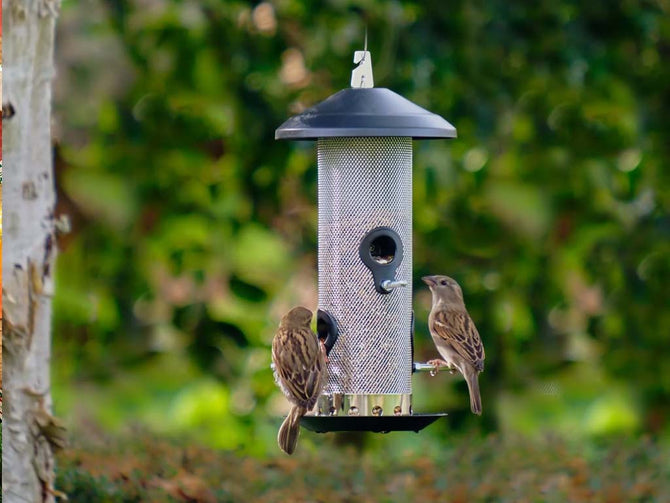
If you provide supplementary bird food, it's worth following the current seasonal advice from the RSPB and BTO. Both organisations recommend avoiding seeds and peanuts between 1 May and 31 October to reduce the spread of finch trichomonosis. Suitable mealworms and suet can still be offered during this period, with careful attention to hygiene and spoilage.
From November to April, seeds and peanuts can be offered again. Feeders should be cleaned regularly, and any uneaten or spoiled food removed
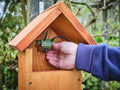
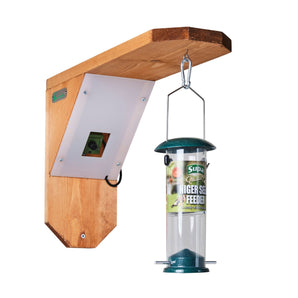
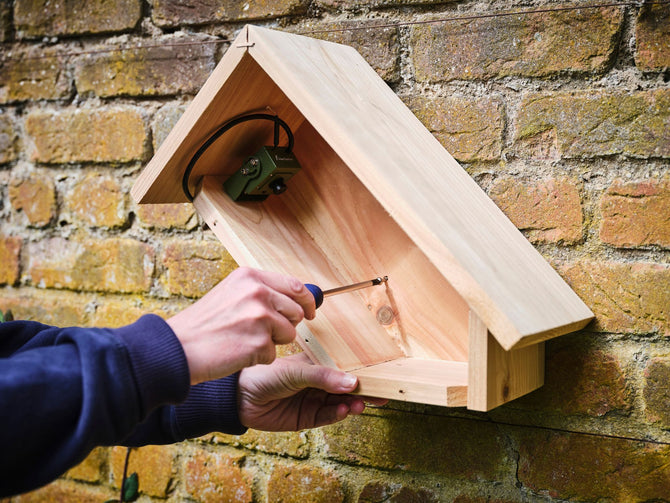
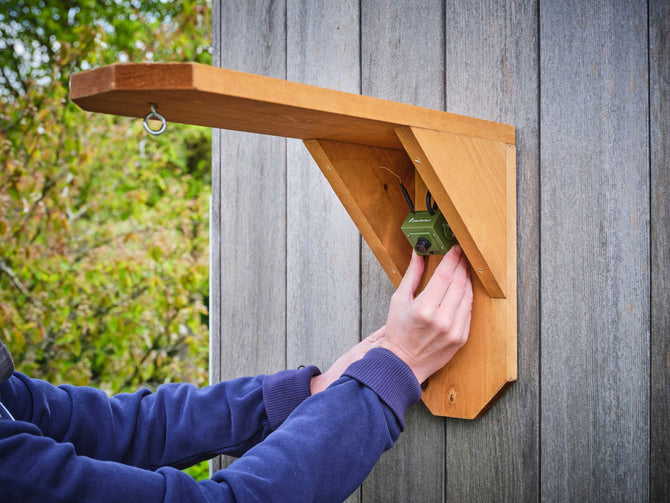
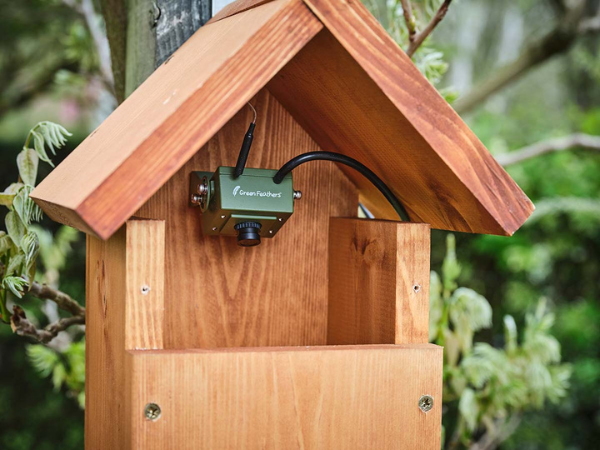
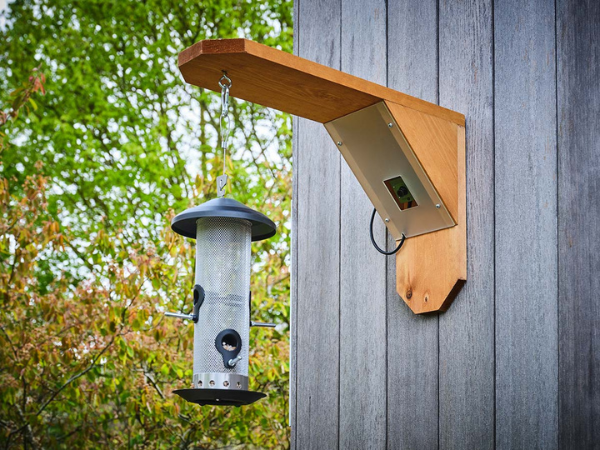
A bird feeder camera can help you observe the birds visiting your feeding station during the colder months, particularly when unfamiliar winter visitors start appearing.
Keep a record of what you see
One enjoyable way to follow migration is to record the last time you see certain summer visitors each year.
You might notice swifts disappearing in August, swallows gathering in September or an occasional chiffchaff passing through your garden in October.
Over several years, these observations can help you recognise the seasonal patterns around your home.
You can also contribute sightings to the BTO's BirdTrack project, which uses birdwatchers' records to help understand movements and migration patterns across Britain and Ireland.
When will migrating birds return?
Most of Britain's summer migrants return during spring, although their arrival dates differ between species.
Chiffchaffs are among the earlier arrivals, often appearing in March, followed by swallows and other summer visitors through April. Swifts generally return in late April and May, when their familiar calls once again fill the skies above towns and villages.
For garden birdwatchers, one of the pleasures of autumn is noticing those final departures. A swallow perched on a wire or a small warbler moving through the hedge might be the last you'll see until spring.
And as those familiar summer birds disappear, the first redwings and fieldfares begin to arrive, bringing a new season of birdwatching opportunities.