


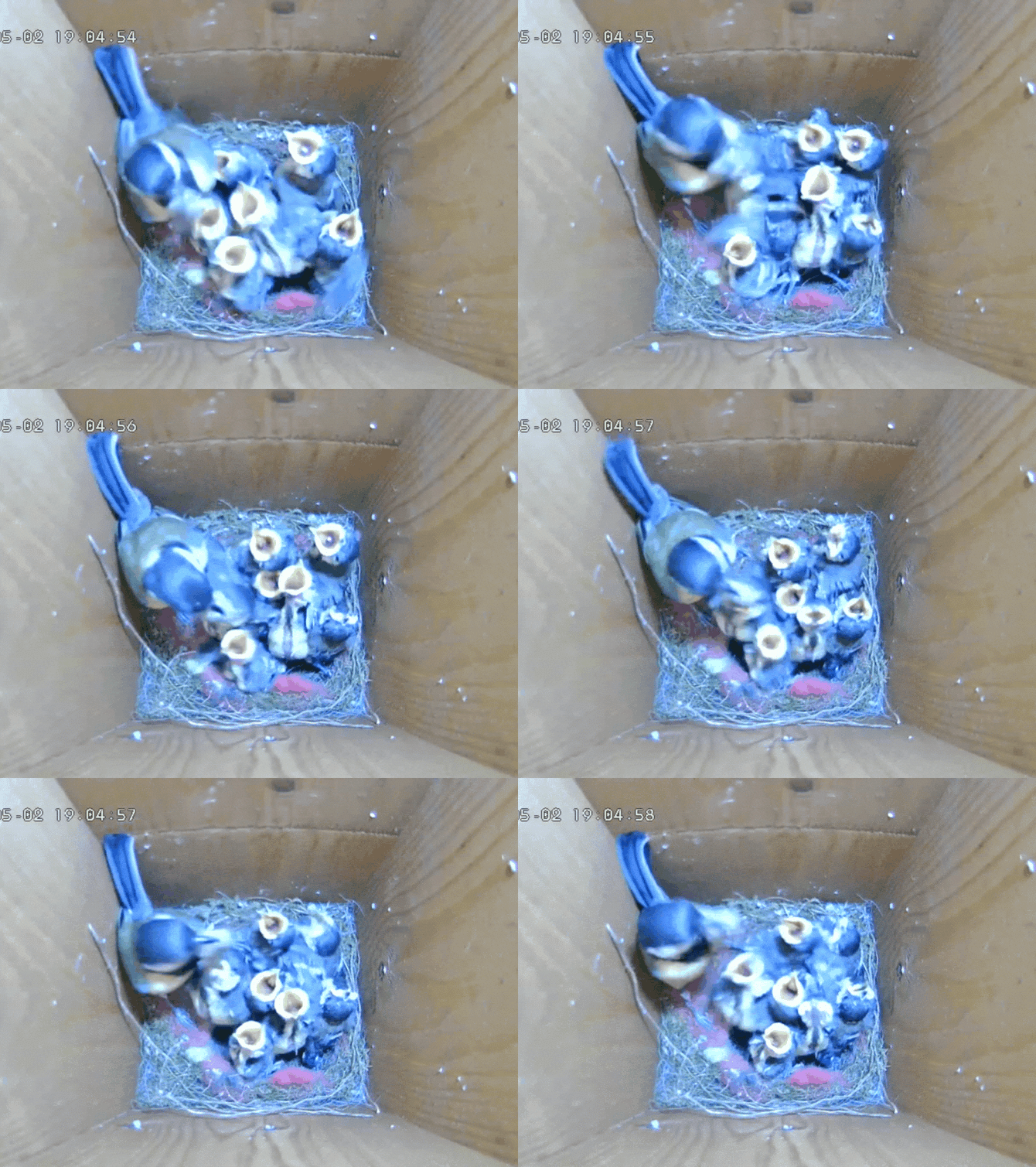

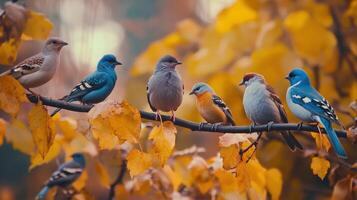
Looking for a new hobby? Whether you’re already a bona fide nature lover with bird boxes and wildlife cameras, or you want to start exploring your local habitats for the first time, mushroom foraging is a brilliant and highly satisfying pastime to try.
And with around 15,000 species of wild fungi in the UK, this is the perfect place for keen mushroom foragers to get stuck into their favourite hobby. However, foraging for mushrooms can be dangerous if you don’t know what you’re doing, so it’s important to have a solid understanding of safe wild mushrooms to eat before you get started.
Are you interested in getting into mushroom foraging in the UK? Here’s our guide to fourteen UK mushrooms that are safe to eat, plus an exploration of the legal and environmental ramifications of mushroom foraging.
Why forage for mushrooms?
Whether you’re a nature lover, chef or both, mushroom foraging can be an extremely rewarding hobby. Thanks to the diverse array of wild mushroom species in the UK, there are so many mushrooms you can find near your home that will elevate the dishes you make. Each species of mushroom has a distinctive flavour – from the delicate briny flavour of oyster mushrooms to the rich, earthy and nutty taste of porcini mushrooms – which means the right mushroom can complement almost any kind of meal, including soups, stews, pastas, pies and much more.
But why not buy these mushrooms from your local supermarket? Often, you may not be able to find the kind of mushroom you’re looking for in a typical supermarket, whereas you may find more unique species while out and about in nature. Plus, supermarket mushrooms will never be as fresh as the ones you forage yourself, and this freshness gives the most intense flavour.
In addition, the whole activity of mushroom foraging can be extremely relaxing, rewarding and fun – unlike shopping in your local supermarket! Mushroom foraging is an excellent way to reconnect with nature and your local ecosystem, helping you better understand the unique beauty and diversity of the area. As long as you practise foraging sustainably (more on this later), you can help to protect this local ecosystem by sourcing food in an environmentally conscious way rather than relying on commercially supplied supermarket food, which is often associated with issues such as pollution from transportation and intensive farming.
Whilst mushroom foraging is often associated with going into the woods to explore, you can also forage in your own garden if you’d like! Find out more about garden foraging by reading our helpful guide on how to identify mushrooms in your garden, including both edible and poisonous species.
Is mushroom foraging legal in the UK?
Mushroom foraging in the UK is legal as long as you stick to foraging on public land. Protected conservation areas are off limits, and to forage on private land, you would need permission from the landowner.
Your reasons for collecting wild mushrooms are also important where legality is concerned. Foraging for mushrooms on public land is legal as long as it’s for personal use, but if you intended to forage large amounts of mushrooms for commercial purposes (i.e., for resale), this would be illegal unless you have a permit or licence.
Do not pick cultivated crops and do not forage rare or protected mushroom species – this would be illegal. Therefore, before you start foraging for mushrooms, it’s vital that you have a good understanding of the different mushroom species in your area and whether any are endangered. In addition to being useful for legal reasons, comprehensive mushroom knowledge is very important for protecting your health, as some mushroom species are poisonous.
Is it safe to eat wild mushrooms in the UK?
Yes – with the caveat that not all British wild mushrooms are safe to eat, so you need to be sure you’ve identified a wild mushroom correctly before eating it. Mushroom foraging isn’t a hobby you can get into with minimal preparation; you need to study different mushroom species and their identifying characteristics before you start, because ingesting some species of mushrooms can be very harmful or even fatal.
Another key point to bear in mind is that some unsafe mushrooms can look a lot like a safe species of mushroom, so it’s not enough to be reasonably sure that a wild mushroom is safe to eat. If in doubt, ask someone with more expertise than you – there are foraging communities and online forums that may be able to help – or just don’t eat that mushroom.
How to identify wild mushrooms safely
Correctly identifying wild mushrooms is the most important part of mushroom foraging. Some edible mushrooms are easy to recognise, but others have poisonous lookalikes that can be difficult to tell apart. Rather than relying on a single characteristic, use several identifying features together before attempting to identify any wild mushroom.
1. Cap shape
Start by looking at the mushroom’s cap. Is it rounded, flat, funnel-shaped, bell-shaped or fan-shaped? Some mushrooms, such as chanterelles, develop a distinctive funnel shape, whilst oyster mushrooms have broad, fan-shaped caps that grow from wood.
2. Cap colour
Make a note of the cap’s colour, but remember that this can vary depending on the mushroom’s age, weather conditions and surrounding environment. Some species also fade or darken over time, so colour should always be used alongside other identifying features.
3. Gills, pores or spines
Turn the mushroom over and examine the underside of the cap. Different species have different spore-bearing structures:
-
Gills – thin blade-like structures beneath the cap (e.g., field mushrooms)
-
Pores – tiny sponge-like holes instead of gills (e.g., porcini)
-
Spines or teeth – soft hanging spines beneath the cap (e.g., hedgehog mushrooms)
This is often one of the quickest ways to narrow down a species.
4. Stem shape and texture
Look closely at the stem. Is it thick or slender? Smooth or fibrous? Solid or hollow? Some mushrooms have swollen bases or distinctive patterns on the stem that can help with identification.
5. Look for a ring or volva
Some mushrooms have a ring around the stem (known as an annulus), whilst others grow from a cup-like structure at the base called a volva. These features are particularly important because several poisonous mushrooms, including the deadly death cap (Amanita phalloides) and destroying angel (Amanita virosa), have a prominent volva. Never remove a mushroom from the ground without carefully checking the entire base.
6. Check for bruising or colour changes
Some mushrooms change colour when they’re cut or bruised. For example, yellow stainers (Agaricus xanthodermus) quickly turn bright yellow when damaged, helping distinguish them from edible field mushrooms. If you notice any colour changes, make a note of them before continuing your identification.
7. Smell the mushroom
Many mushrooms have distinctive aromas. Oyster mushrooms often have a mild aniseed scent, whilst some poisonous species produce unpleasant chemical or inky smells. Smell should never be used on its own, but it can provide another useful clue.
8. Observe the habitat
Where a mushroom is growing can be just as important as what it looks like. Some species grow exclusively in woodland, whereas others prefer grassland, meadows, gardens or dead wood. Recording the habitat can significantly narrow down the possible species.
9. Look at nearby trees
Many fungi form close relationships with specific tree species. For example, porcini mushrooms are often associated with beech, oak and pine, and jelly ear fungi commonly grow on elder trees. Identifying the surrounding trees can be a valuable part of UK mushroom identification.
10. Consider the time of year
Different mushrooms appear at different times throughout the year. Chanterelles are most commonly found from late summer into autumn, whilst scarlet elfcups are easier to spot during winter and early spring. Knowing the season can help rule out certain species and make identification more accurate.
Remember: never eat a wild mushroom unless you are 100% certain of its identification. Some poisonous species closely resemble edible mushrooms, and consuming them can cause serious illness or death. If in doubt, leave it in the ground!
What wild mushrooms are safe to eat?
Here’s a quick guide to some of the most common edible UK mushrooms. However, don’t use this as your only source of knowledge – make sure you do further research on how to identify these species, and make a note of which species have poisonous lookalikes. We would also recommend going on foraging trips with an expert or experts if you’re new to this hobby, as they will be able to support you and improve your knowledge.
1. Field

Found in abundance throughout the UK, field mushrooms are a tasty and versatile addition to many recipes. They can be identified by their white or cream-coloured cap measuring 5-10cm in diameter (which is initially hemispherical but flattens with maturity), pink/brown gills underneath the cap, and firm, cylindrical, white stem. They’re most easily found in late summer and early autumn.
Poisonous lookalikes
Field mushrooms are commonly mistaken for the poisonous yellow stainer and the deadly destroying angel. Yellow stainers bruise bright yellow when damaged and often give off a strong chemical or ink-like smell. Destroying angels have pure white gills throughout their lives rather than the pink-to-brown gills of field mushrooms. If you’re unsure, don’t eat it.
2. Oyster

Oyster mushrooms have a delicate, ‘briny’ taste and slight aroma of aniseed. They can be found in UK woods, particularly growing in tiered formations on hardwood trees like beech. Oyster mushrooms have large fan or oyster-shaped caps measuring 5-25cm in length, typically in shades of white or grey. White or cream-coloured gills can be seen under the caps.
Poisonous lookalikes
Oyster mushrooms can sometimes be confused with the olive oysterling, an inedible species that grows on wood and can cause severe stomach upset. True oyster mushrooms are usually pale grey or cream with white gills that run down the stem, whereas olive oysterlings tend to have darker olive-brown caps that feel very sticky or slimy when wet.
3. Hedgehog

As suggested by the name, hedgehog mushrooms have rather unique spines underneath their white caps, resembling hedgehog spines. These delicious mushrooms are firmer, nuttier and sweeter than supermarket mushrooms, but you should remove the spines before cooking. Better yet, scrape off the spines whilst you’re still in the woods, as this will help seed more mushrooms.
Poisonous lookalikes
Hedgehog mushrooms are considered one of the safest edible mushrooms because their soft spines underneath the cap are distinctive. However, beginners may confuse them with other pale woodland fungi if they don’t check the underside carefully. Always confirm the presence of the characteristic spines before collecting.
4. Porcini/Penny bun

Porcini mushrooms, also known as penny bun mushrooms, are prized for their rich, earthy and nutty flavour. This is a chunky mushroom species with a cap that looks like a bun, hence its name. These mushrooms have white stems, white gills and a cap that starts off whitish but quickly browns with maturity.
Poisonous lookalikes
Young porcini mushrooms can be mistaken for several bitter or inedible bolete species. Although most UK boletes aren’t deadly poisonous, some can cause stomach upset. Porcini have white pores that gradually turn yellow-green with age and a thick, pale stem with a distinctive net-like pattern near the top.
5. Beefsteak

The beefsteak fungus has an acidic taste and is a brilliant meat substitute, and it also makes excellent mushroom jerky when it’s older. These mushrooms are commonly found on dead or damaged oak trees, usually lower down towards the ground. Watch out for their distinctive reddish colour and the way they ooze out red liquid when cut!
Poisonous lookalikes
Beefsteak fungus has very few dangerous lookalikes thanks to its distinctive reddish colour and flesh that resembles raw meat. However, always confirm that it’s growing from oak or sweet chestnut and has the characteristic red juice when cut.
6. Giant puffball

Giant puffball mushrooms can be found in fields and meadows and resemble a large, white ball – you might even mistake them for a football in the distance! Due to their huge size and distinctive appearance, giant puffballs are a great pick for novice foragers. However, they can potentially resemble some smaller mushroom species when they’re young, so stick to picking large, mature ones.
Poisonous lookalikes
Young giant puffballs can resemble immature Amanita mushrooms, including the deadly death cap and destroying angel, before their caps emerge. Never eat a puffball unless you cut it in half first – true giant puffballs are solid white throughout with no developing stem, cap or gills inside.
7. Jelly ears/Wood ears

The aptly named jelly ears mushrooms (also known as wood ears) look a bit like ears growing out of trees – an unsettling image! These tan-brown or reddish mushrooms with jelly-like flesh are mainly found in clusters on the dead and dying branches of elder trees, but they can also sometimes be found on beech, sycamore and ash trees. Jelly ears fit best with Eastern cuisine as an ingredient in soups, stir-frys, salads and spring rolls.
Poisonous lookalikes
Jelly ears have few poisonous lookalikes due to their unusual ear-shaped, jelly-like appearance, making them a good choice for foraging beginners. They’re occasionally confused with other jelly fungi, but these are generally inedible rather than poisonous. Always check that the fungus has the characteristic ear shape and is growing on dead or dying wood.
8. Dryad’s saddle

Another mushroom that commonly grows on dead elder trees is Dryad’s Saddle. This is the largest capped mushroom in the UK – reaching up to a metre in diameter – and can be identified by its ochre to dark yellow caps with brown scales, and its large and irregular pores running down the stem. These mushrooms are best eaten when they’re young – when they have a surprising watermelon taste – because they can become tough and leathery when mature.
Poisonous lookalikes
Dryad’s Saddle is quite distinctive and has very few poisonous lookalikes. Its large cream-to-yellow cap covered in brown scales and pore-covered underside make it relatively easy to identify, making this another great pick for novice foragers.
9. Chicken of the woods

Chicken of the woods is commonly found on oak and cherry trees, and is thankfully easy to spot due to its distinctive appearance. This mushroom is a fleshy bracket fungus with a bright, creamy yellow colour, also featuring bands of orange when the fungus is young. Chicken of the woods is usually a great ingredient to use in cooking, but be aware that some people are sensitive to it and may experience stomach issues afterward eating it.
Poisonous lookalikes
Chicken of the woods can sometimes be confused with other bright bracket fungi, although few are seriously poisonous. Be aware that some people experience digestive upset after eating chicken of the woods, particularly if it’s grown on yew trees, so it should always be eaten in moderation when trying it for the first time.
10. Chanterelle

Another popular woodland mushroom is the chanterelle mushroom, which also has a yellow or orange colour. However, chanterelle caps are funnel-shaped and wavy, with gill-like ridges running down to the stem. Chanterelles are a favourite among foragers due to their delicate flavour.
Poisonous lookalikes
Chanterelles are sometimes confused with the mildly poisonous False Chanterelle and the toxic Jack o’Lantern mushroom. True chanterelles have blunt, forked ridges rather than thin, true gills, and their flesh is firm with a fruity aroma. Always examine the underside of the cap carefully.
11. Scarlet elfcups

These beautiful mushrooms, which are abundant in winter and early spring, feature a cup-shaped body that’s bright red on the inside and a lighter orange to off-white colour on the outside. Look for these on dead and decaying wood on your next foraging expedition.
Poisonous lookalikes
Scarlet elfcups have few dangerous lookalikes, although they can be mistaken for other red cup fungi. Whilst these species are generally not considered highly poisonous, accurate identification is still important before consuming any wild fungus.
12. Hen of the woods

Not to be confused with chicken of the woods, hen of the woods is another fungus growing on decaying wood. It features tiered clusters of wavy grey or brown caps with small pores on its white underside. This is a more uncommon mushroom in the UK, but if you can find it, it has a great mushroom flavour and firm flesh, making it suitable for a wide range of meals.
Poisonous lookalikes
Hen of the woods has few poisonous lookalikes thanks to its large clusters of overlapping grey-brown caps. It can occasionally be confused with black-staining polypore (edible when young but becomes quite tough), which darkens significantly when handled or bruised.
13. Cauliflower fungus

As you can imagine, the cauliflower mushroom looks like a cauliflower growing out of the ground. This is a distinctive-looking mushroom that can grow very large, making it an easier spot for new mushroom foragers. Cauliflower mushrooms are great in the kitchen, but since they’re trickier to clean, they may not be your favourite.
Poisonous lookalikes
Cauliflower fungus is distinctive but can occasionally be confused with other coral fungi. Some coral fungi are inedible or may cause digestive upset, so always ensure the mushroom has the tightly curled, cauliflower-like structure and is growing near the base of pine trees.
14. Field blewits

If you’re looking for the perfect mushroom for cooking, keep your eyes peeled for field blewits. These delicious mushrooms are often used by chefs, but you can find your own in fields in the UK rather than going to a restaurant or expensive market. Plus, field blewits – which have a smooth, grey-beige cap and a blue/violet fibrous skin over the stem – often grow in rings or groups, so you may be able to find a good harvest.
Poisonous lookalikes
Field blewits can be mistaken for several lilac-coloured species, including some poisonous webcaps. Field blewits have pale pink spores and a distinctive sweet, fruity aroma, whereas poisonous webcaps produce rusty-brown spores. Because these species can look similar, beginners should seek expert guidance before collecting field blewits.
How do I ensure safety and sustainability when foraging?
To wrap up, let’s quickly remind ourselves of the main dos and don’ts when foraging for mushrooms in the UK. First of all, you must ensure your own safety by only eating mushrooms that you’re sure you’ve identified correctly. There’s a lot to learn for novice foragers, so to keep you safe, we would recommend teaming up with an expert or joining a foraging group before trying to do this alone. Plus, if you’re ever in doubt, there are loads of online resources and communities of experts to help you identify wild mushrooms.
As well as keeping yourself safe, you need to protect the environment too. Always forage responsibly by minimising disruption to wildlife. Try to spread out your mushroom foraging so you’re not depleting food sources for local wildlife, and always use a knife or scissors to cut mushrooms at the base. This leaves the mycelium intact so that the mushrooms can continue growing, preserving biodiversity and natural food sources.
Frequently asked questions about mushroom foraging in the UK
Can you eat mushrooms growing in your garden?
Not necessarily. Although some edible UK mushrooms grow in gardens, many poisonous species do too, and some look remarkably similar. Never eat a mushroom simply because it’s growing in your garden. Always identify it using multiple characteristics and consult an experienced forager or trusted identification guide if you’re unsure.
Is it safe to eat wild mushrooms after rain?
Yes, mushrooms are often at their best after rainfall because damp conditions encourage them to grow. However, wet weather can alter a mushroom’s appearance, making identification more difficult. Waterlogged mushrooms may also deteriorate more quickly, so always ensure the specimen is fresh and that you’re completely confident in its identification before eating it.
How can you tell if a wild mushroom is poisonous?
Unfortunately, there’s no simple rule for identifying poisonous mushrooms. Common myths – such as poisonous mushrooms having bright colours or being avoided by animals – aren’t reliable. Instead, you should examine the mushroom’s cap, gills or pores, stem, habitat, season and any distinctive features before comparing it with trusted field guides. If you have any doubts, don’t eat it.
Can you identify a mushroom from a photo?
Photos can be helpful, but they shouldn’t be your only method of identification. Many mushroom species look almost identical in photographs, and important identifying features – such as smell, bruising, spore colour or the base of the stem – may not be visible. If you’re using an identification app or online community, provide clear photos from multiple angles and never rely on a single opinion before consuming a wild mushroom.
Are wild mushrooms safe for dogs?
Many wild mushrooms are poisonous to dogs, even if they’re harmless to humans. If your dog eats a wild mushroom, contact your vet immediately, even if you’re unsure what species it was. If possible, take photographs of the mushroom or bring a sample with you to help with identification.
When is mushroom foraging season in the UK?
The main mushroom foraging season in the UK runs from late summer to autumn, typically between August and November, when warm temperatures and regular rainfall create ideal growing conditions. However, some edible mushrooms appear earlier in the year, such as Dryad’s Saddle in spring, whilst species like jelly ear and scarlet elfcup can often be found during winter.
Can you forage mushrooms in National Parks?
Yes, mushroom foraging is generally permitted in UK National Parks for personal consumption, but local byelaws and land ownership rules may apply. You should only collect small quantities, avoid protected species and habitats, and never forage on private land without the landowner’s permission. Always check any local restrictions before setting out.
What equipment do I need for mushroom foraging?
You don’t need much to get started, but a few essentials can make mushroom foraging safer and more enjoyable. A small basket allows spores to disperse as you walk, and a sharp knife helps you cut mushrooms cleanly without damaging the mycelium. Many experienced foragers also carry a soft brush for cleaning mushrooms, a field guide or identification app, and a notebook to record where and when different species are found.
Should you wash wild mushrooms before cooking?
It’s best to brush off dirt and debris rather than wash wild mushrooms under running water. Mushrooms absorb moisture easily, which can affect their texture and flavour when cooked. If they do need rinsing, do so briefly and dry them thoroughly before use.
Is mushroom foraging sustainable?
Yes, when practised responsibly! Collect only what you need, avoid disturbing surrounding wildlife and habitats, and use a knife to cut mushrooms at the base rather than pulling them from the ground. This helps protect the underground mycelium, allowing mushrooms to continue growing and reproducing naturally.
As long as you’re staying safe, protecting the environment and following the law, you can have plenty of fun with your mushroom foraging hobby. Want to learn more about UK wildlife or nature-based hobbies like bird watching? Check out the Green Feathers blog!


What a fantastic and detailed guide! I really appreciate how you’ve not only listed edible species but also touched on safety, legality, and sustainability, three things many new foragers overlook in their excitement to get started. I especially liked the tip on scraping hedgehog mushroom spines in the woods to help seed future growth. It’s small practices like that which make foraging a win for both people and the ecosystem.
By the way, I noticed user Jackson has posted the same comment three times, Jackson, curious to know if that was intentional or maybe a glitch? I’m guessing you’re just really excited about mushrooms!
https://coeursauvage.scot/
Really appreciate the insights you’ve shared in this post—it’s rare to find such well-researched and UK-specific cannabis content. As someone passionate about promoting quality products and education in this space, I found it especially valuable. Keep up the great work! For anyone interested, we’re also sharing helpful info and top-shelf products over at https://thcandvapes.co.uk/—feel free to check us out!
Really appreciate the insights you’ve shared in this post—it’s rare to find such well-researched and UK-specific cannabis content. As someone passionate about promoting quality products and education in this space, I found it especially valuable. Keep up the great work! For anyone interested, we’re also sharing helpful info and top-shelf products over at https://thcandvapes.co.uk/—feel free to check us out!
Really appreciate the insights you’ve shared in this post—it’s rare to find such well-researched and UK-specific cannabis content. As someone passionate about promoting quality products and education in this space, I found it especially valuable. Keep up the great work! For anyone interested, we’re also sharing helpful info and top-shelf products over at https://thcandvapes.co.uk/—feel free to check us out!