

A robin perched on the fence, blue tits darting between the branches and a blackbird rummaging through fallen leaves. There's plenty to watch in a British garden during winter, and January brings an opportunity to put those sightings to good use.
The RSPB's Big Garden Birdwatch returns in January 2027, inviting people across the UK to spend one hour counting the birds they see. You don't need any birdwatching experience or special equipment, and you can take part from your garden, balcony or even local park.
The annual survey helps the RSPB track how our familiar garden birds are doing. With the 2027 event approaching, now's a good time to learn the counting rules, brush up on your bird identification skills and prepare for your hour of watching.
What is the RSPB Big Garden Birdwatch?
The Big Garden Birdwatch is the world's largest garden wildlife survey, organised by the RSPB. Every January, hundreds of thousands of people across the UK count the birds visiting their gardens and local green spaces.
The event began in 1979, when the children's television programme Blue Peter encouraged young viewers to record the birds they spotted. The RSPB later opened the survey to people of all ages.
By gathering sightings from across the country, the RSPB can compare bird numbers over time and identify changes in the species visiting our gardens.
As RSPB Chief Executive Beccy Speight explained ahead of the 2026 Birdwatch:
“By taking part in the Birdwatch, you and hundreds of thousands of other nature lovers across the UK are helping us understand how garden birds are doing. Birds and wildlife are struggling right now.”
The 2026 results show just how popular the RSPB Birdwatch has become:
-
More than 650,000 people took part across the UK.
-
Participants counted 9.4 million birds.
-
House sparrows topped the rankings for the 23rd consecutive year.
-
Blue tits, starlings, woodpigeons and blackbirds completed the top five.
The survey has also revealed worrying changes in some familiar species. Greenfinches, for example, have fallen considerably in the rankings since the first Birdwatch, with the RSPB identifying the disease trichomonosis as a major cause of their decline.
Every year's results add to the picture, helping researchers understand which birds are doing well, and which need greater protection.
When is the Big Garden Birdwatch 2027?
The RSPB Big Garden Birdwatch 2027 runs from Friday 29 to Sunday 31 January 2027, with registration opening on 9 December 2026.
You can choose any one-hour period during the three days. Some people prefer an early morning session, when garden birds are often busy feeding after a cold night. Others enjoy watching over lunch or during the afternoon.
There's no prescribed time of day. According to the RSPB, observations from different times and locations help provide a useful picture of garden bird activity across the UK.
To register, visit the official RSPB Big Garden Birdwatch website. You'll also find the latest event information and resources to help you identify birds.
How do you take part in the Big Garden Birdwatch?
Taking part is free, and you don't need to be an RSPB member. All you'll need is a place to watch, something to record your sightings and an uninterrupted hour.
1. Register with the RSPB
Visit the RSPB website once registration opens and sign up for the 2027 Birdwatch.
The RSPB provides a free identification guide and recording resources to help you recognise common garden visitors. These are useful if you're new to birdwatching or taking part with children.
2. Choose your birdwatching spot
Find somewhere with a clear view of an outdoor space where birds are likely to land.
Your garden is an obvious choice, but a balcony or local park works too. You could settle near a window overlooking your feeding station or choose a bench with views of trees and shrubs.
Try to pick somewhere comfortable enough to stay for the full hour. Watching from indoors is perfectly fine, especially on a chilly January morning.
3. Count birds for one hour
Start your timer and record the different species that land within your chosen area.
The most important rule is to count the highest number of each species you see at the same time, rather than adding together every sighting.
For example, imagine you spot:
-
Three blue tits together at your feeder.
-
Two blue tits visiting 10 minutes later.
-
Five blue tits gathered in a nearby tree towards the end of your hour.
You would record five blue tits, because that's the largest number you saw together.
This avoids counting the same birds repeatedly as they move in and out of view.
Only count birds that land within your observation area. Birds flying overhead don't count, although one that lands in a tree or on your lawn can be included.
4. Record your results
Keep a simple list of species and their highest simultaneous counts. You can use the RSPB's recording resources, a notebook or a sheet of paper.
If you're watching with family or friends, combine your observations into one set of results for that location. Groups should not submit duplicate counts from the same session.
And don't worry if your garden is unusually quiet. Even a Birdwatch with no sightings provides useful information.
5. Submit your sightings
Once your hour is finished, enter your results through the RSPB's official website.
Remember to include the location of your Birdwatch and submit your findings before the deadline. Check the RSPB website for the confirmed 2027 submission dates when registration opens.
Which birds might you see during the RSPB Birdwatch?
You don't need to recognise every bird in Britain to take part. Many of the species you're likely to encounter have distinctive markings, colours or behaviours that make them relatively easy to identify.
Here are some familiar visitors to look out for.
House sparrow
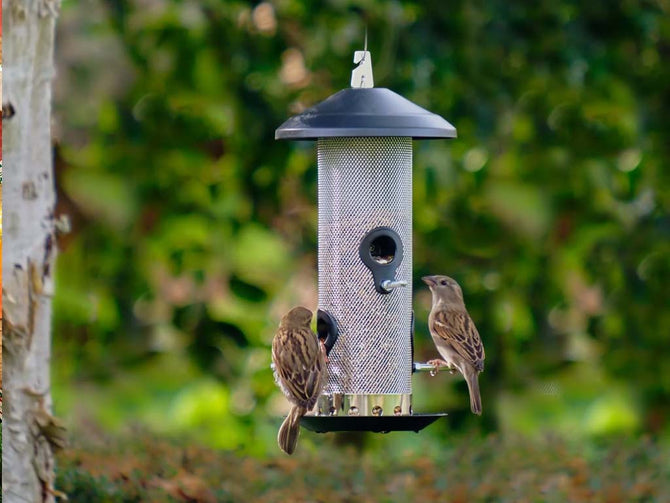
House sparrows are sociable little birds that often gather in noisy groups around hedges and feeding stations.
Males have grey crowns, chestnut-brown backs and black bibs, while females are mostly brown with pale markings around their eyes.
The house sparrow was the most frequently counted bird in the RSPB's 2026 survey, with more than 1.27 million recorded.
Blue tit

Blue tits are easy to recognise by their bright blue caps, white cheeks and yellow underparts.
They're energetic visitors that often cling to hanging feeders, sometimes hanging upside down as they investigate food.
Watch for their quick movements between branches, particularly where trees or shrubs provide nearby cover.
Starling
At a glance, starlings can appear almost black. Look more closely and you'll notice glossy feathers with green and purple tones, along with pale speckles during winter.
They're often found feeding in groups on lawns and can become quite noisy when several arrive together.
Keep an eye on the size of the flock so you can record your highest count accurately.
Woodpigeon
Woodpigeons are among the larger birds you're likely to see during the RSPB Birdwatch.
Their plump grey bodies, pinkish breasts and distinctive white neck patches make them easy to spot. They often feed on lawns or beneath trees and shrubs.
Their size and slower movements also make them useful birds for helping younger children practise counting.
Blackbird
Male blackbirds have black feathers, bright orange-yellow beaks and yellow eye-rings. Females are brown, often with subtle mottling on their breasts.
You'll frequently find blackbirds searching through lawns, fallen leaves and damp soil for worms and other small creatures.
They're especially entertaining to watch as they toss leaves aside in search of food.
Robin
With its orange-red breast and upright posture, the robin is one of Britain's most recognisable garden birds.
Robins often perch on fences, branches or garden tools before dropping to the ground to hunt for insects.
Although they look friendly, they're territorial birds and may chase other robins away from their chosen patch.
You may also encounter great tits, goldfinches, chaffinches, dunnocks and wrens, depending on where you live and the surrounding habitat.
The birds visiting your garden will change with the seasons, as some species arrive to breed, others migrate and resident birds adjust their feeding habits throughout the year.
How can you prepare your garden for the RSPB Birdwatch?
You don't need to make major changes to participate. However, a little preparation can make your garden a welcoming place for birds throughout winter.
Provide suitable food
Between November and April, offer a variety of bird foods, including seeds, peanuts and suet products. Different foods attract different species, while high-energy options such as fat balls are particularly useful during colder weather.
If you already feed your garden birds regularly, stick to your usual routine during the Birdwatch. There's no need to put out extra food just to attract more visitors for the survey.
To reduce the risk of disease, put out only as much food as the birds will eat, clean and move your feeders weekly and avoid bird tables or other flat feeding surfaces where droppings and uneaten food can accumulate.
Keep fresh water available
Birds need fresh water for drinking and bathing throughout winter, even when temperatures drop below freezing.

Provide water in a shallow bird bath or container and replace it daily. During frosty weather, check regularly for ice and replenish the water if it freezes.
Clean the container regularly and position it somewhere birds have a clear view of their surroundings, away from places where cats could hide.
Leave some natural shelter
Dense hedges, shrubs and climbing plants offer birds places to retreat when they feel threatened.
Ivy can be particularly useful in winter because its berries provide food and its evergreen leaves offer cover.
Leaving some fallen leaves beneath shrubs also gives birds opportunities to forage for insects and other small creatures.
Get familiar with your regular visitors
Spend a few minutes watching your garden during the weeks before the event. You may notice that certain species arrive at similar times or prefer certain parts of the garden.
Practise distinguishing blue tits from great tits, or house sparrows from dunnocks.
And remember that the aim is to record the birds that genuinely visit during your chosen hour. There's no need to attract unusual species or increase your count artificially.
Can a bird feeder camera help you watch garden birds?
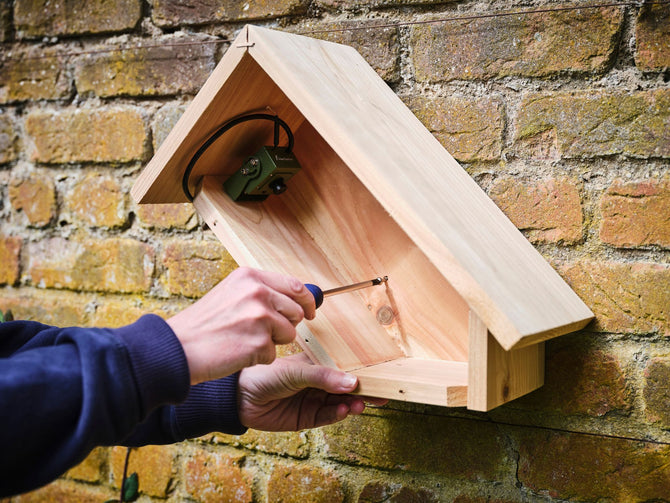
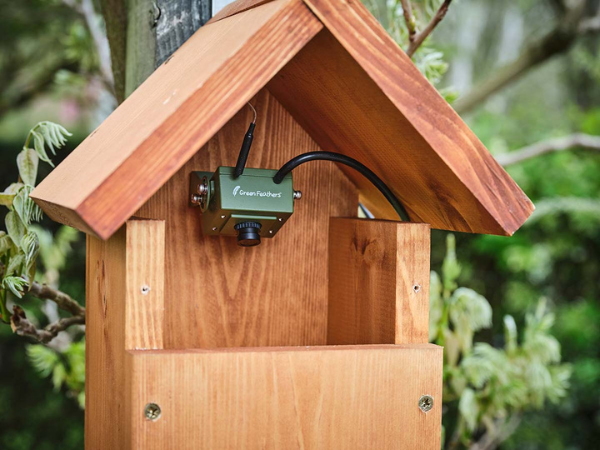
A bird feeder camera is a lovely way to observe your regular visitors without sitting beside the feeding station.
You can watch birds arriving, notice how different species behave around one another and become more familiar with their markings.

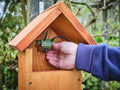
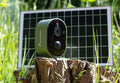
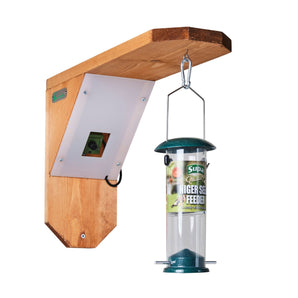
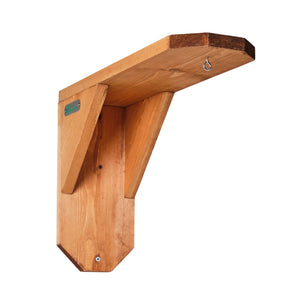
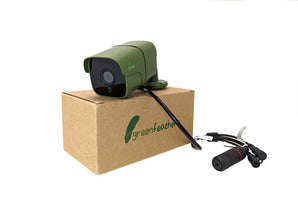
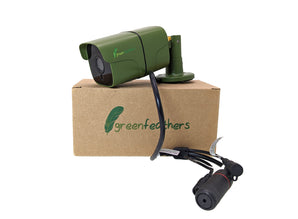
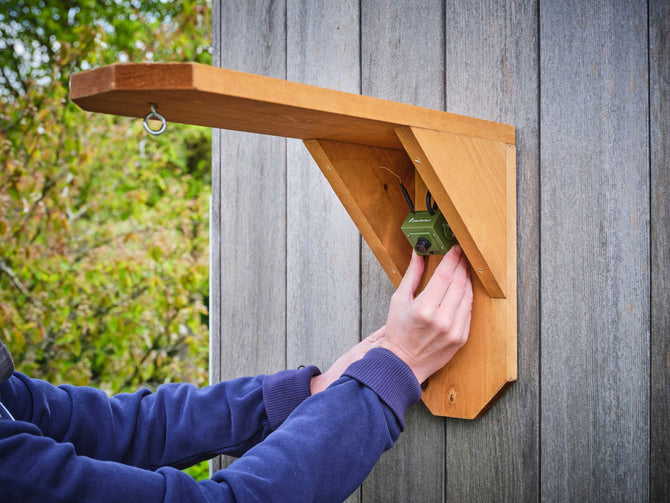
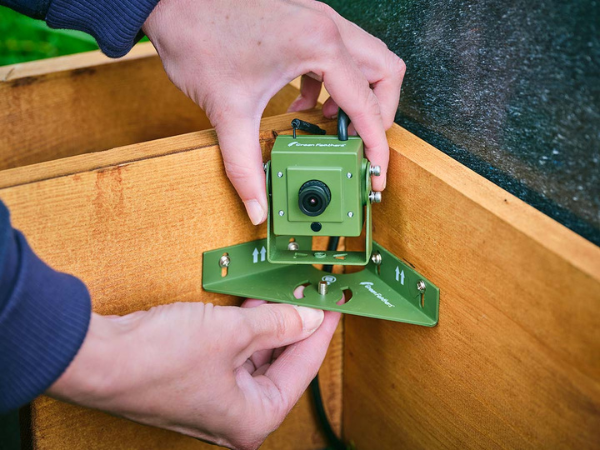
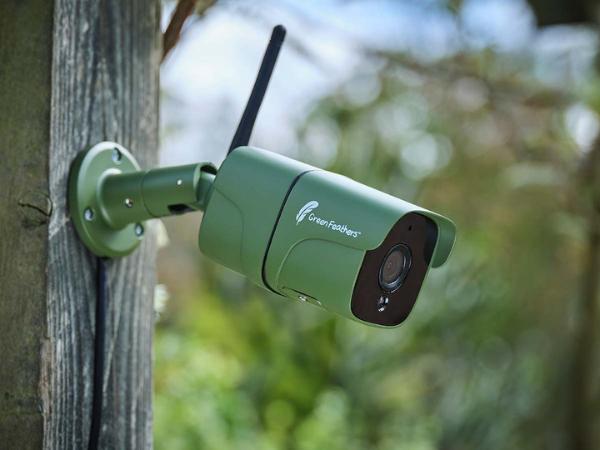
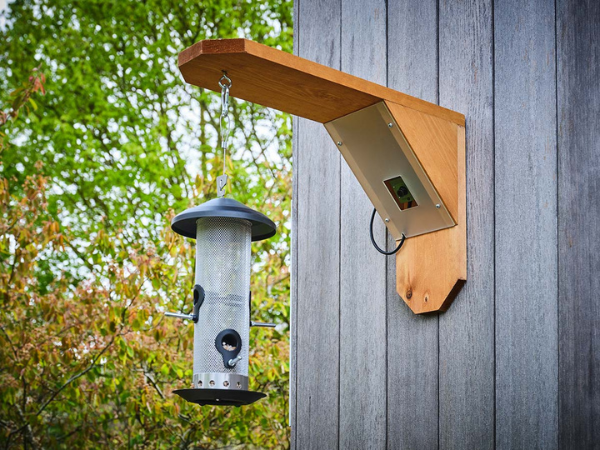
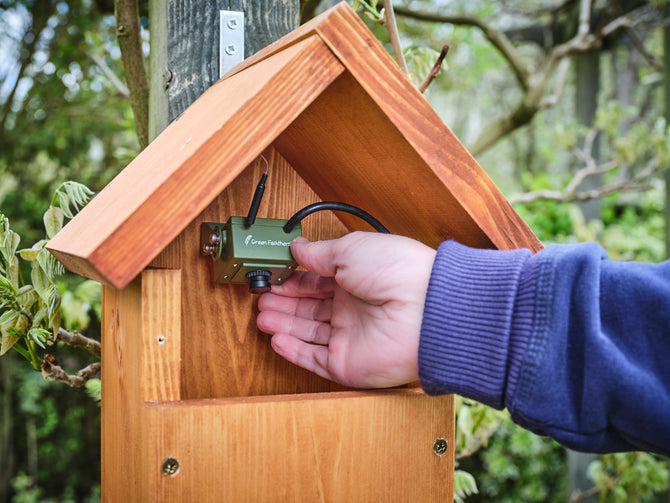
At Green Feathers, our bird feeder cameras allow you to watch feeding birds from a comfortable distance. They're particularly enjoyable during winter, when you might prefer to stay inside with a warm drink.
For the Big Garden Birdwatch itself, remember that you must still follow the RSPB's counting rules. A camera can help you observe birds at a feeder, but it shouldn't be used to combine sightings from different times or count birds outside your chosen hour.
After the event, you can continue watching throughout the year and notice changes as spring approaches and nesting activity begins.
Frequently asked questions about the Big Garden Birdwatch
Do you need a garden to take part?
No. The RSPB welcomes people watching from balconies and local parks as well as private gardens. Choose a place where you can observe birds landing within a defined area for one hour. You can take part even if you live in a flat or don't have access to outdoor space at home.
What happens if you don't see any birds?
You should still submit your results. The RSPB encourages participants to report when no birds appear during their chosen hour. These records help researchers understand where birds are absent, alongside locations where they are plentiful. A quiet garden doesn't mean you've wasted your hour or completed the survey incorrectly.
Can you do the Big Garden Birdwatch more than once?
Yes, provided you observe a different location for each additional Birdwatch. The RSPB accepts one one-hour count per person per location. If several family members watch together at the same place, submit one combined set of results rather than separate entries that could duplicate the same sightings.
Can children participate in the Big Garden Birdwatch?
Absolutely. The survey is suitable for children, and identifying familiar garden birds can be a fun family activity. Younger children can help spot colours, count birds and mark sightings on a recording sheet. An adult can help with identifying less familiar species and submitting the results to the RSPB.
Do you need binoculars for the Big Garden Birdwatch?
No. You can take part without binoculars, especially if you're watching birds visiting a feeder or landing close to your window. Binoculars may help you identify birds further away, but a recording sheet and a clear view are enough. You can also use the RSPB's identification resources.
When will the Big Garden Birdwatch 2027 results be announced?
The RSPB publishes its Big Garden Birdwatch findings after collecting and analysing participants' records. The precise publication date for the 2027 results hasn't been confirmed. You can follow the official Birdwatch website for announcements and compare the findings with previous years to see how familiar species are faring.
Keep watching after the Big Garden Birdwatch
One hour in January can reveal a surprising amount about the birds visiting your neighbourhood. Once you've submitted your results, you can continue recording sightings, keeping your feeding areas clean and providing natural shelter for wildlife.
If you've enjoyed taking part in the Big Garden Birdwatch, you can continue contributing to bird research when nesting season arrives. The British Trust for Ornithology (BTO) runs Nesting Neighbours, a project where volunteers monitor nests and nest boxes throughout spring and summer. By recording nesting activity and following the BTO's Code of Conduct, you can help researchers learn more about the breeding success of Britain's birds.
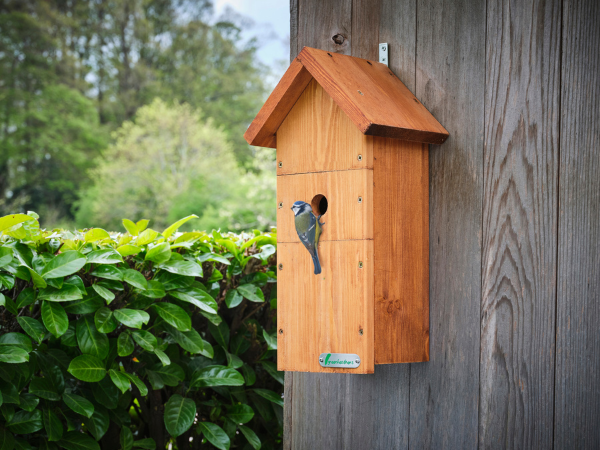
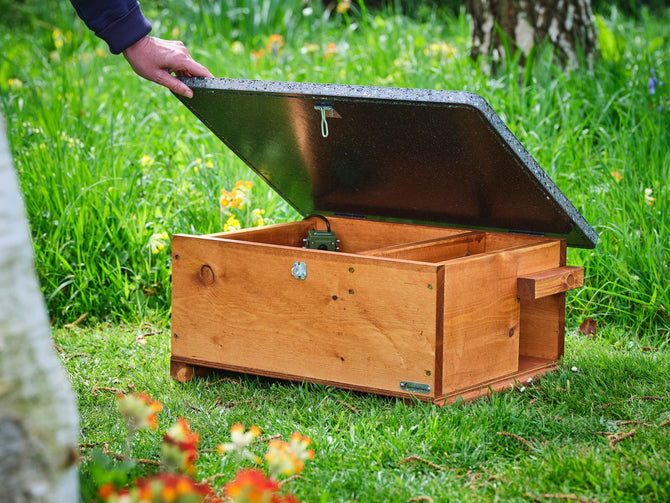
For more seasonal wildlife advice, explore the Green Feathers blog, or browse our bird feeders, bird boxes and bird feeder cameras to enjoy watching garden birds throughout the year.