
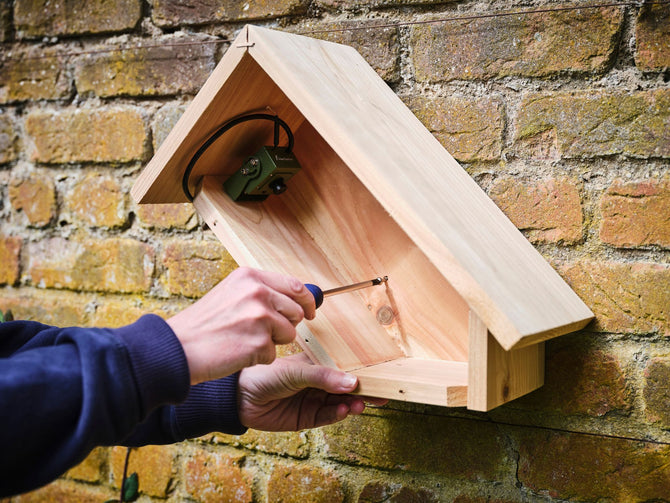
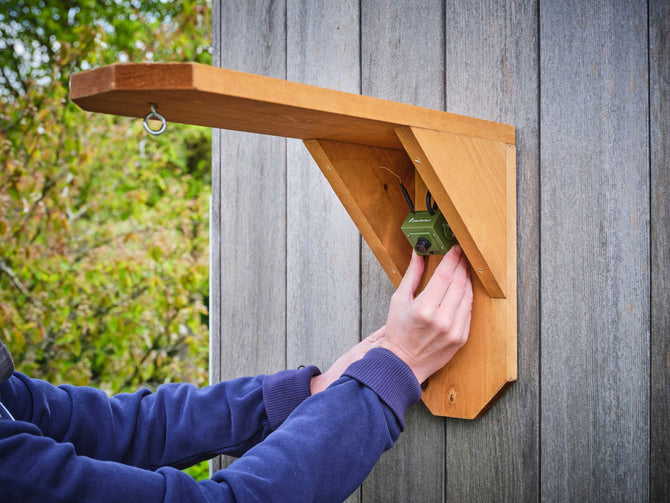
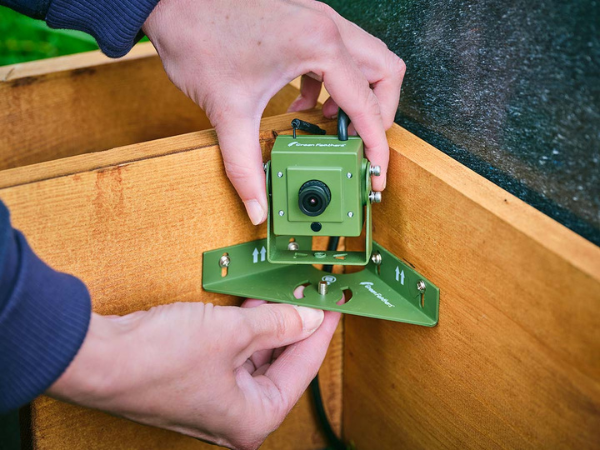
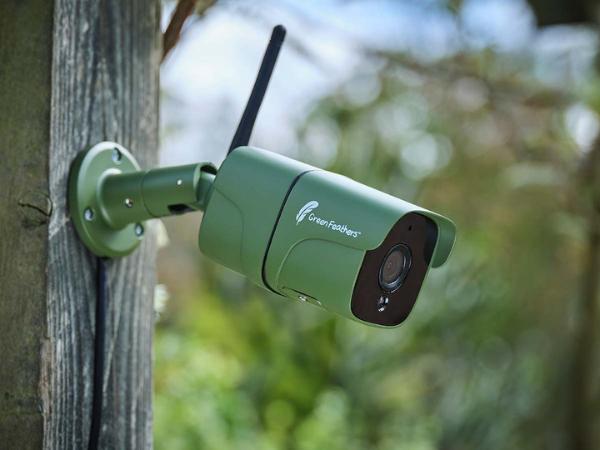
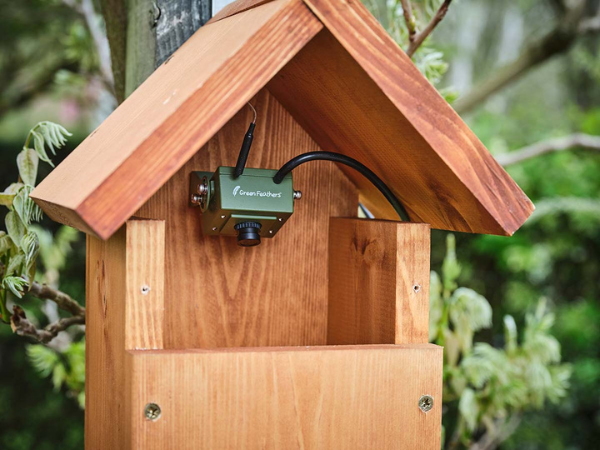
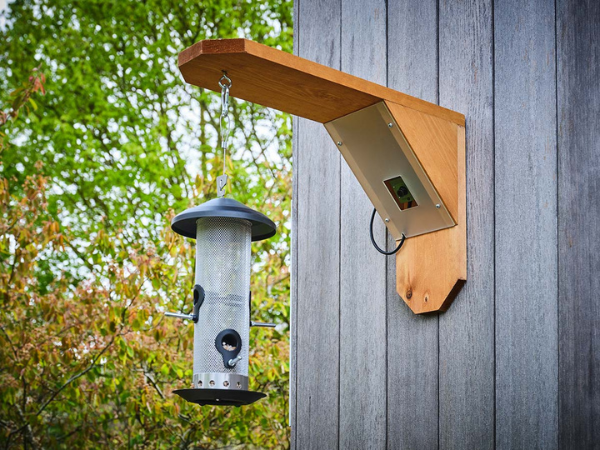
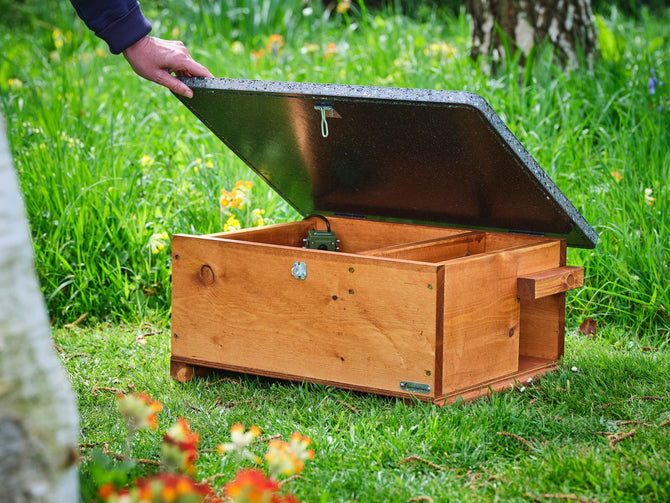

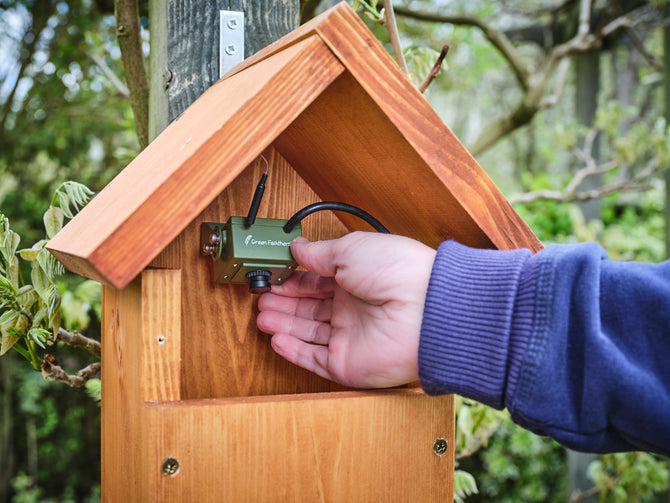
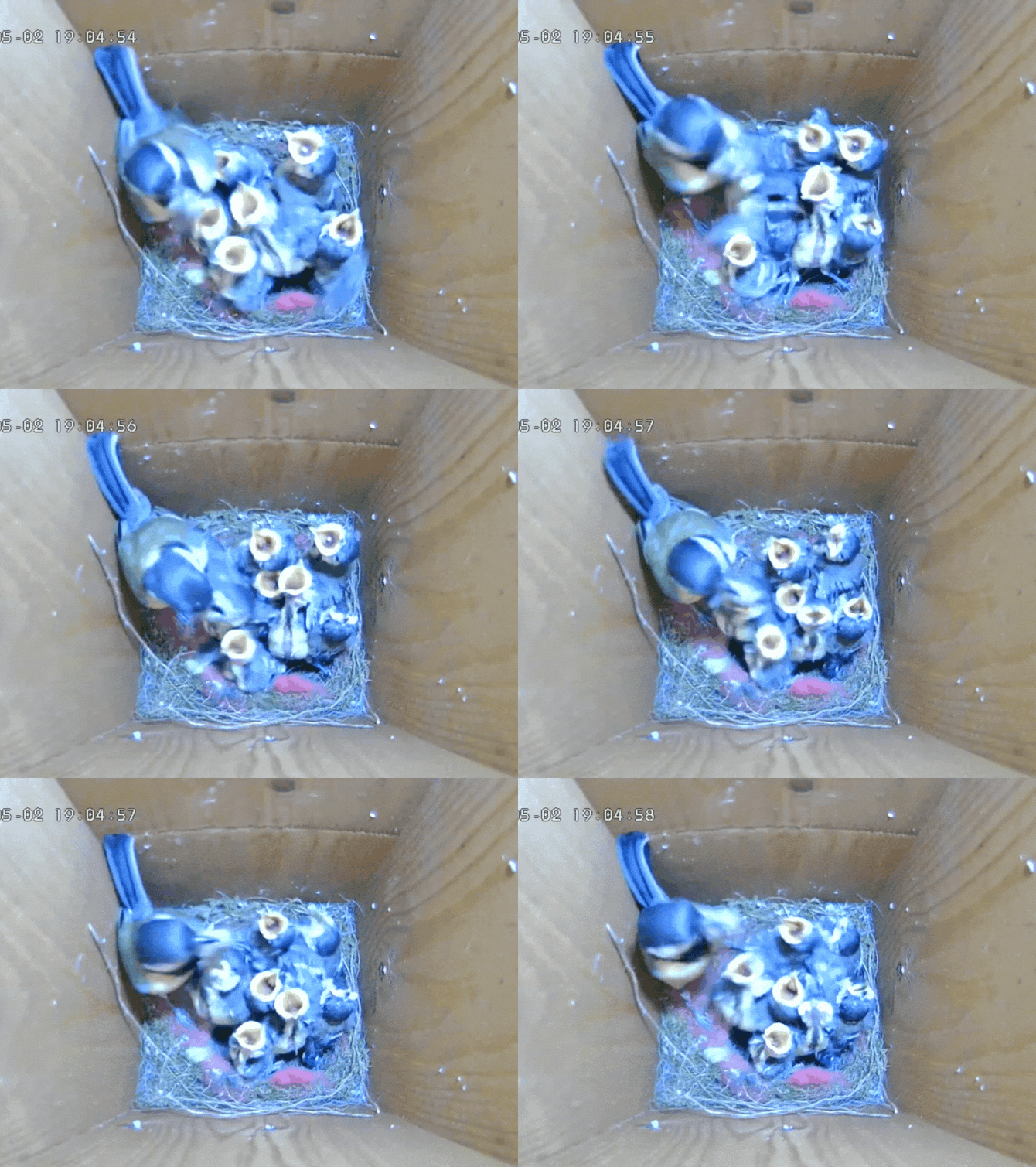

We love receiving our customers’ images and videos of the latest exciting happenings inside their bird nest boxes. But sometimes we also get messages from perplexed customers, saying there just aren’t any chicks to be checked – their bird boxes stay unused. It’s like empty nest syndrome, except there hasn’t even been any nest building yet! Some birds just pop in to take some twigs away, others fly straight past it, some boxes only end up with bits of snail poop in them, and every so often an occasional camera-shy bird decides to build its nest right beside the box instead. So, it’s high time for some helpful tips (so we get to watch more cute bird videos)!
Got your bird box ready to go, but not a bird in sight? If you’re wondering where to put a bird nesting box, where to place a bird box, or which way a bird box should face in the UK, you’re in exactly the right spot. This guide runs through everything that affects bird box placement – direction, height, cover, hole size and installation – so you’ll have some chirpy little tweeters in there in no time.
And if you don’t yet have a bird nesting box, take a look at our collection of bird boxes and bird box cameras to get started on your bird-watching journey.
Quick answer: Where’s the best place to put a bird box? Face the entrance hole somewhere between north and east, mount it 1–5m up depending on the species you’re hoping to attract, keep it half-hidden but with a clear flight path to the hole, and site it well away from bird feeders, baths or other nest boxes. Use rust-proof fixings so it stays put. Read on for the full rundown, tip by tip.
1. Which way should a bird box face in the UK? Keep out of the sunny south!
Let the sunshine in? Not for your nester: do not place your bird box in a south-facing position. These locations make for the hottest bird boxes, as it leaves them exposed to the sun.
Want to attract small bird species? Try hanging your nest box in a shady spot. Blue tit babies, for example, may be able to regulate their body temperature in hot conditions, even up to 50°C, but studies show that it comes with a cost: the effort of keeping cool is restrictive to their growth. Most small birds who want to grow up strong and proud simply prefer a cooler environment.
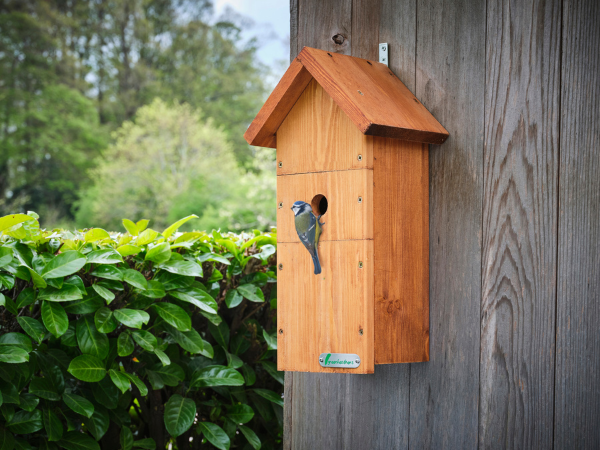
So, take out your compass and hang your bird box so the entrance hole faces somewhere between north and east. It’s the direction of the hole that really matters here rather than the box itself – so if you’re fixing it to a wall or shed, it’s the angle of the hole you want to get right, not just which wall it’s on. Facing that way keeps your bird family sheltered from direct sun, and from the wind and driving rain that tend to come from the south-west in the UK. As for keeping out the rain, you can also tilt the box slightly forward to make sure the tweeties don’t end up with an unwanted indoor swimming pool!
2. Excellent heights: Where to put a bird box for each species
Whether you hang your bird box on a tree, wall or the side of a shed, make sure it’s placed at a height of between 1 and 5 metres from the ground. OK, that range alone doesn’t get you very far yet – let’s have a look at the type of bird you want to foster in your garden, as different species have different needs when it comes to bird box placement:
-
Blackbirds, robins and wrens prefer their nest box placed 1.5 to 2 metres from the ground.
-
Sparrows, starlings, tits and spotted flycatchers are most chirpy when their nest box is 2 to 4 metres high.
-
Woodpeckers, kestrels and owls hoot the happiest when their boxes are hung between 3 and 5 metres above the ground.
Footage captured with our Wifi Bird Box Camera
3. Avoid a cat-astrophe
Now the above is all well and good, but what if you have some ferocious feline lurking about? In that case, always make sure Mr Mittens and other local predators can’t get to the nest box, and hang it at least 2 metres above ground level. Predator-proofing is one of the biggest factors in finding the best place to put a bird box or nesting box, especially in gardens that cats (or your neighbours’ cats) tend to patrol.
4. Trees, please: Where to put a bird box in the garden
Most birds like their nest to be hidden in a quiet spot among trees, bushes and other pleasant planting. In particular, little blackbirds, robins and wrens like their bird box well-surrounded by foliage – they must be the hermits of the bird world! The bird box can be slightly less covered for the sparrows, starlings, tits and spotted flycatchers. But beware: woodpeckers, kestrels and owls, on the other hand, are a good bit bolder and actually prefer a nice open space.
5. Fidgety foliage = failure
Although it’s good to provide some cosy cover for the birds that favour this, do make sure the entrance hole of the bird box is never blocked by foliage. You’ll fail to tempt any feathered friends if they clearly can’t pop in the door easily – a clear flight path to the entrance hole matters just as much as the shelter around it.
6. Size matters
Speaking of doors, the size of the nest’s entrance hole plays a huge part in a bird’s decision to make a home there or not. Luckily, we can categorise different birds of a feather, each group with a specific preference for their own little hobbit door size:
-
Blue, coal and marsh tits: 25mm
-
Great tits and tree sparrows: 28mm
-
House sparrows, nuthatches and woodpeckers: 32mm
Good news: We now have handy bird box protection plates with different entrance hole sizes available (choice of 25, 28 or 32mm). You can pick your preferred size when ordering a bird box, or order them separately – chick-chick-chick it out!
7. Do not disturb
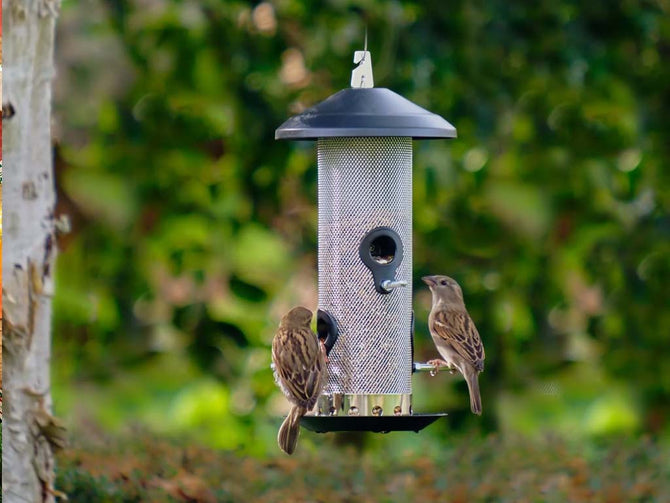
Even for those who are fine without any nest box cover, it’s still very important to hang the box a good distance from any tumultuous happenings, such as other nests (a near nesting neighbour may cause aggressive quarrels), bird feeders or bird bath tables. Mother birds are just not too keen on all that fuss outside, so keep the bird box at least 25 feet away from it all. A quiet, undisturbed spot is often what separates a good bird box location from the best place to put a bird box.
8. Bird box installation: Bust that rust
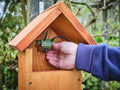
When it comes to bird box installation, skip the ordinary nails that can rust and damage the tree or box over time, making it unstable. Instead, try tying the box to the tree trunk or hanging it from a branch with galvanised wire, or, if hanging the box on a wall, use stainless steel screws or nails that won’t rust.
If your bird box is still devoid of lovely feathers, twigs, eggs and birdsong, try placing some bird food on top of it. As for timing, sometimes birds already start looking for a place to nest as early as autumn or winter, but springtime isn’t too late to place your bird box – many small birds can still be on the housing market lookout right up until May or even June.
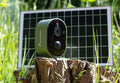
Play around with different bird box locations, and always make sure there isn’t too much interference, such as from walls or trees, if you want the clearest bird box camera reception. Don’t clear any possibly old nest material between September 1 and January 31, and generally don’t go near the box too much. Some birds may just be a bit pickier than others, but hopefully these tips help!
Do let us know if you’ve tried out any of these and what the results were – and you know we can’t wait to receive more tweety pics and videos, so get in touch!
Frequently asked questions
Which way should a bird box face in the UK?
Somewhere between north and east. This keeps the entrance hole away from the strongest sun and out of the south-westerly wind and rain that dominates most of the UK. Never face a box due south.
Where is the best place to put a bird box?
A shaded, sheltered spot, mounted 1–5m up depending on the species, with a clear flight path to the entrance and some distance from feeders, baths and other nest boxes. Exact height and cover will depend on which birds you’re hoping to attract – see our tips above.
How high should I put a bird box in the garden?
Most garden birds do well between 1.5m and 4m. Robins, wrens and blackbirds prefer it lower (1.5–2m), tits and sparrows in the middle range (2–4m), and owls, kestrels and woodpeckers higher still (3–5m). Always keep it at least 2m up if predators such as cats are a concern.
When’s the best time for bird box installation?
Autumn or winter is ideal, as it gives birds time to find and inspect the box before the spring breeding season. That said, it’s rarely too late – many species are still house-hunting into May or June. Learn more about different nesting times in our guide to when British birds start nesting.



When do birds boxes go up
Hello I have placed a swift box on side of my house under eaves but it has been occupied by a family of sparrows. I am just now worried that the box is too high and the baby sparrows may not be able to fly so will fall on stone patio underneath. The box is about 6 or 7 m from ground. Any suggestions to stop them hurting themselves when they fledge?
I have an old bird box which I’d hoped to replace with a new box with a camera. However blue tits look like they are taking a look inside in it. Am I too late?
Thank you I now we’re to place my bird box
I have fixed a bird box with the side South facing and the hole West facing on the side of my shed, we have got bluetits building a nest but my neighbour has told me that it will get too hot, is this correct ?