



alex
Standing at about four feet tall, with a wingspan that extends up to six feet, herons are supremely patient hunters. They can remain completely still for long periods before striking with lightning speed. Their diet includes fish, frogs, small amphibians, and even small mammals. The fish in your garden pond are an easy, attractive target. So, how do you stop herons from eating pond fish? The good news is that there are plenty of effective ways to deter them. Read on to discover the best methods for keeping your pond fish safe.
How to stop herons eating fish from a pond
1. Let your dog out in the garden
If you have a dog, you already have one of the best ways to stop herons eating pond fish. It’s also highly effective and costs nothing extra! Herons are wary, alert birds that require peace, quiet, and total focus to hunt successfully. A dog in the garden completely disrupts this. If you spot a heron near the pond, simply letting your dog outside is usually enough to send it on its way immediately.
Even if you’re not always home to monitor the garden, dogs that spend regular time outdoors will act as a natural, ongoing deterrent. Herons quickly learn which gardens are hassle-free hunting grounds and which are not. A dog-patrolled garden will rarely appear on their radar. If you don’t have a dog, let this be your sign to get one.
2. Obscure the pond with a gazebo or overhead cover
Herons locate their prey from above before swooping in to land. If your pond is not clearly visible from the air, herons are far less likely to target it. Consider installing a gazebo, pergola, or overhead netting structure above the pond. Even a partial covering will significantly reduce the number of visits from hungry herons, as they prefer open, accessible water.
3. Install a fountain or water feature
Herons rely on the water surface being calm and still to spot fish below. A fountain or water feature that keeps the surface in constant motion makes it harder for a heron to hunt effectively. The ripples and disturbance created by moving water obscure the fish from view, frustrating the heron’s hunting attempts and making your pond a far less attractive prospect. And as a bonus, water features also benefit the fish themselves by improving oxygenation.
4. Add weeds, plants and hiding places for fish
Giving your fish somewhere to hide when a heron is nearby is one of the best ways to stop herons eating pond fish. Plus, it’s a natural layer of protection. Dense aquatic planting, such as water lilies, hornwort, or other submerged pond plants provide excellent cover for fish to retreat into when they sense danger. Adding tubing or hollow structures on the pond floor also gives fish a safe refuge out of a heron’s reach.
5. Plant tall shrubs around the pond
Tall shrubs and dense planting around the pond serve a dual purpose: they break up the heron’s line of sight and remove the clear, unobstructed bank access that herons prefer for hunting. Without a comfortable spot to stand and wait patiently, the heron will struggle to fish effectively and is more likely to move on. Choose evergreen shrubs for year-round coverage, and aim to close off as many easy access points around the water’s edge as possible.
6. Add a decoy heron
If you’re still asking yourself, “How do you stop herons from eating pond fish?”, the best solution might be getting your own heron! A decoy, of course. Herons are largely solitary hunters and are instinctively reluctant to fish in territory already claimed by another heron. Placing a realistic-looking plastic heron decoy beside your pond can therefore be a surprisingly effective deterrent. A visiting heron will see the decoy and, rather than risk a confrontation, will typically fly away to find an easier, unoccupied pond. To maintain the illusion, move the decoy to a different position every couple of days. A stationary decoy that never moves may eventually be identified as fake by a persistent bird.
Note that during the breeding season, a decoy heron near your pond could actually attract rather than deter herons looking for a mate, so be mindful of the time of year when using this method. Herons’ breeding season kicks off in late February and generally runs through to May or June. Since they have hungry chicks to feed in the nest from March to May, spring is the exact time when parent herons are under the most pressure to find high-protein food. This makes a well-stocked garden pond a prime target!
7. Avoid sloping pond edges
The design of your pond itself can play a significant role in how vulnerable your fish are to heron attacks. Herons prefer to hunt in shallow water and will wade in from sloping, gently shelving banks. If your pond has vertical sides and a consistent depth right to the edge, there are no convenient shallow areas for a heron to stand and strike.
Keeping the water level at least 60cm below the bank edge also makes it physically harder for a heron to reach down to the water. One important caveat: vertical pond sides can pose a risk to other garden wildlife, which may fall in and be unable to climb out. If you opt for this approach, consider adding a ramp or escape route to make your garden safe for hedgehogs and other small mammals.
8. Install a net cover
Installing a net cover directly over the pond is one of the most reliable ways to solve the problem of how to stop herons eating fish from a pond. A well-fitted net creates a physical barrier that even the sharpest beak cannot penetrate. Use a net with a small-mesh design to ensure a heron’s beak and neck cannot push through.
If possible, suspend the net at least 60 cm above the water’s surface and ensure it is taut. A sagging net that dips close to the water is less effective, as a determined heron may still be able to fish through it. Secure the edges carefully so there are no gaps around the perimeter. While a net may not be the most aesthetically pleasing option, it is undeniably effective.
9. Install a motion-activated deterrent
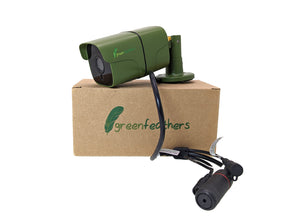
One of the most effective modern solutions for stopping herons is a motion-activated deterrent. These devices use infrared sensors to detect movement and respond automatically, meaning your pond is protected even when you’re not around. Options include:
-
Motion-activated sprinklers: These fire a short burst of water at any intruder, startling the heron without causing harm. They work day and night and are highly effective.
-
Sound deterrents: Some motion-activated devices emit loud noises, alarm sounds, or even recordings of predator calls when triggered. Herons are naturally wary of unfamiliar sounds and will quickly retreat.
-
Ultrasonic repellers: These emit a high-frequency sound that is unpleasant to birds but inaudible to humans, providing discreet, round-the-clock protection.
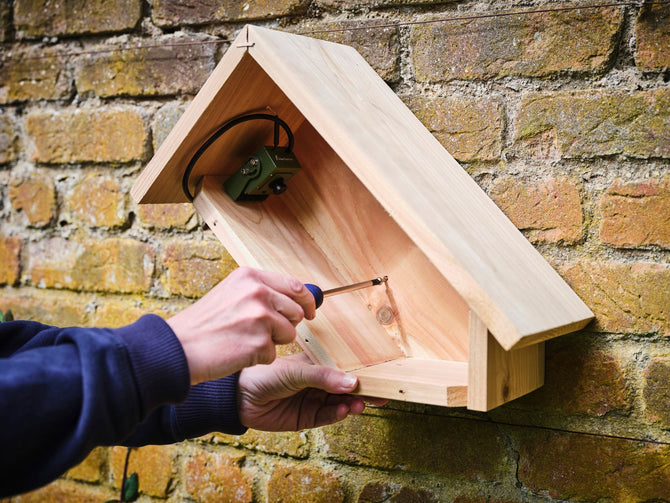
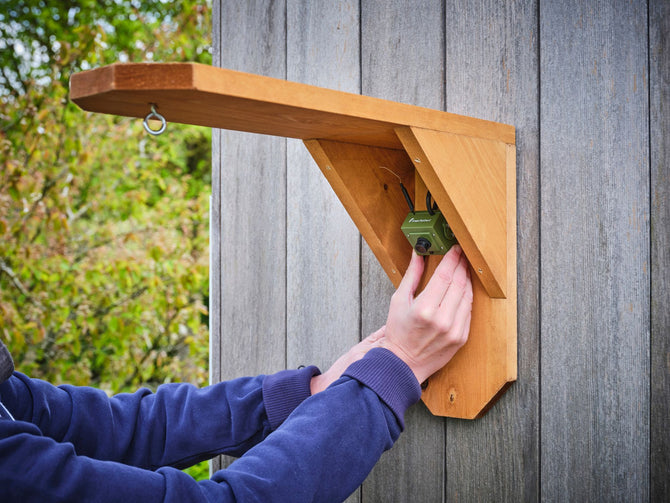
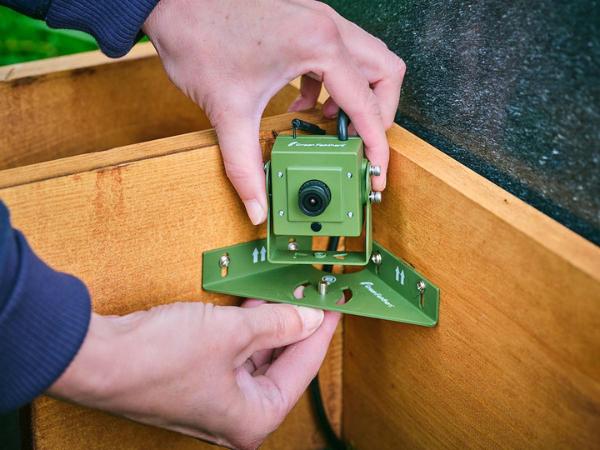
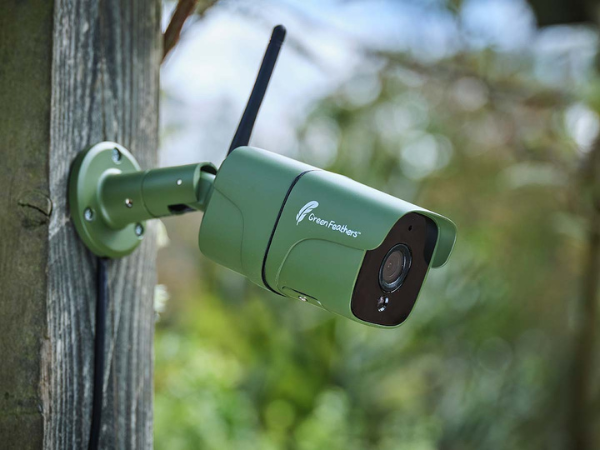
Motion-activated deterrents are portable, so you can move them around the pond’s perimeter to cover all likely approach angles. They are particularly useful for larger ponds where other deterrents might not provide full coverage. You can also monitor visiting herons with a garden wildlife camera.
10. Offer alternative food sources
If, despite all your best efforts, a heron still insists on treating your garden like a five-star seafood restaurant, consider offering them an alternative food source. Herons are opportunistic feeders. They will take the easiest meal available to them. Make your pond difficult to access, then place some alternative food away from it, such as bird feed or scraps. A heron may simply choose to take the easier option rather than persevering with your well-protected pond.
Keep in mind, this is a complementary strategy, rather than a standalone solution. It’s also worth noting that feeding herons directly is not recommended, as it can encourage them to feel more comfortable in your garden and become bolder.
The best way to stop herons eating pond fish
The absolute best strategy on how to stop herons eating fish from a pond is to layer multiple deterrents rather than relying on a single method. A heron that encounters a pond net, a decoy and dense planting is far less likely to persist than one that simply has to deal with one obstacle. Start with the options that suit your garden and budget, and add more layers as needed.
It’s also worth remembering that grey herons are a protected species in the UK under the Wildlife and Countryside Act 1981, which means harming them is illegal. All of the methods described above are humane and legal ways to deter herons from your pond, working with the birds’ natural behaviours rather than against them.
With the right combination of deterrents, you can enjoy a thriving, beautiful garden pond and keep those pesky herons at bay for good. Try a few of the ideas above and see which work best for your garden.





Landlord has fitted non matching sockets in my house, will this stop her too?
My Mrs used to have a throat like a heron.
Then she started bumming the other boys. Now she’s miss britain.
Miss you Rice x
Also death to the birds or such
My Mrs used to have a throat like a heron.
Then she started bumming the other boys. Now she’s miss britain.
Miss you Rice x
Also death to the birds or such
My name is Ollie and the landlord also eats the fish from fridge
How do i stop the people in the restaurant below my flat from doing the same?