




As the cooler months creep in and gardens start to quieten down, many of us begin to wonder how our regular wildlife visitors cope with winter. One of the most loved (and instantly recognisable) garden guests is the hedgehog, a small, nocturnal mammal with a surprisingly clever way of surviving the cold.
So, when do hedgehogs hibernate, where do they go, and how can you make sure your garden is a safe place for them? In the UK, hedgehogs generally hibernate between October or November and March or April, although the exact timing varies with the weather. With hedgehog numbers sadly in decline across the UK, understanding their winter habits is more important than ever!
Knowing what happens during hedgehog hibernation can help you prepare a safe winter shelter, recognise normal behaviour and understand when a hedgehog might need assistance.
What is hibernation?
Hibernation is a natural survival strategy that helps animals get through periods when food is scarce and temperatures are low. Staying active would use a lot of energy. Instead, hibernating animals slow everything down, including their heart rate, breathing and body temperature. They don't eat during this time, so they live off the body fat they built up beforehand. Many wake briefly during the winter before settling down again.
Do hedgehogs hibernate?
Yes, hedgehogs are one of the UK's true hibernators. They rely on hibernation to survive winter, because their main food sources (like beetles, worms and other insects) become harder to find once the temperature drops.
The changes are dramatic. A hedgehog's heart rate falls from about 190 beats a minute to around 20. Its body temperature drops from about 35°C to 10°C or lower, and it may breathe only once every few minutes.
Although it's often described as a "deep sleep", hibernation isn't constant. Hedgehogs wake from time to time, usually for a day or two, and most stay in the nest when they do. Disturbance or unusually warm weather can also wake them. That's why it's so important not to disturb a hibernating hedgehog: each time it wakes, it uses up fat reserves it can't easily replace.

When do hedgehogs hibernate in the UK?
In the UK, hedgehogs usually begin hibernating around October or November, with many remaining in hibernation until March or April. Some don't begin until December or even January, particularly when autumn and early winter are mild.
There isn't a fixed calendar. The exact timing depends on several factors:
-
Temperature: Colder weather generally encourages hedgehogs to enter hibernation, while milder conditions can keep them active for longer.
-
Food availability: Hedgehogs may continue foraging while insects and other natural food sources remain available.
-
Age and body condition: Younger hedgehogs and those still building their fat reserves may remain active later into autumn.
-
Local climate: Conditions vary across the UK, so hedgehogs in different regions won't necessarily hibernate at the same time.
It's perfectly possible to spot a healthy hedgehog foraging on a mild December evening. Seeing one during winter doesn't automatically mean something is wrong, although its behaviour and condition are important.
Where do hedgehogs hibernate?
Hedgehogs look for places that are dry, sheltered, insulated and well hidden from predators. They build winter nests called hibernacula, using layers of dry leaves, grass and other vegetation to help retain warmth.
Common hibernation spots include:
-
Leaf piles and log stacks
-
Compost heaps
-
Dense bushes and hedgerows
-
Old burrows made by other animals
-
Sheds and quiet outbuildings
If you already have a pile of leaves, a quiet compost heap or a sheltered corner beneath shrubs, there's no need to tidy everything away for winter. These spaces could be providing a hedgehog with exactly the shelter it needs.
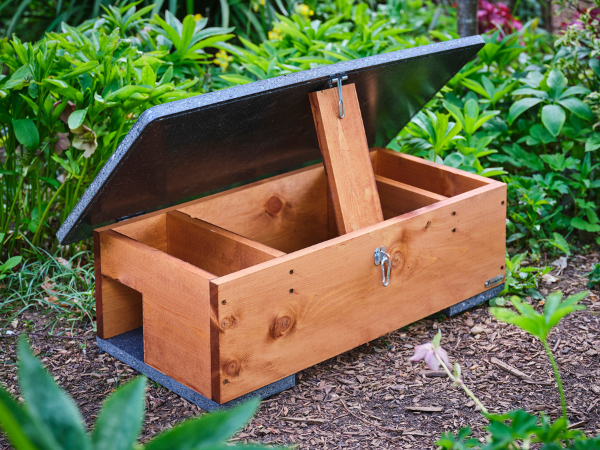
In wildlife-friendly gardens, hedgehogs often choose hedgehog houses, which provide a safe, insulated alternative to natural nesting sites.
How to tell if a hedgehog is hibernating
If you come across a hedgehog during winter, it can be hard to tell whether it’s asleep or unwell. A hibernating hedgehog will usually:
-
Be tightly curled into a ball
-
Feel cold to the touch
-
Breathe very slowly, sometimes almost unnoticeably
-
Remain still and show little response to its surroundings
If you uncover a hibernating hedgehog, gently replace whatever was covering it and leave it alone. Don't touch it or pick it up to check. If the nest is in danger, for example from flooding or building work, contact a wildlife rescue organisation for advice.
A hedgehog out in the open in winter is a different situation, particularly during the day. So is one that's wobbly, lying still or looks unwell. These hedgehogs aren't hibernating, and they may need help. Contact a wildlife rescue organisation straight away for practical advice and guidance.
How to set up a hedgehog house for hibernation
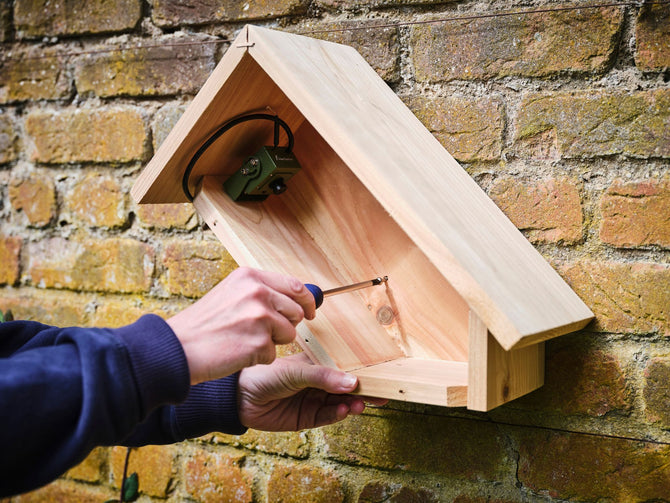
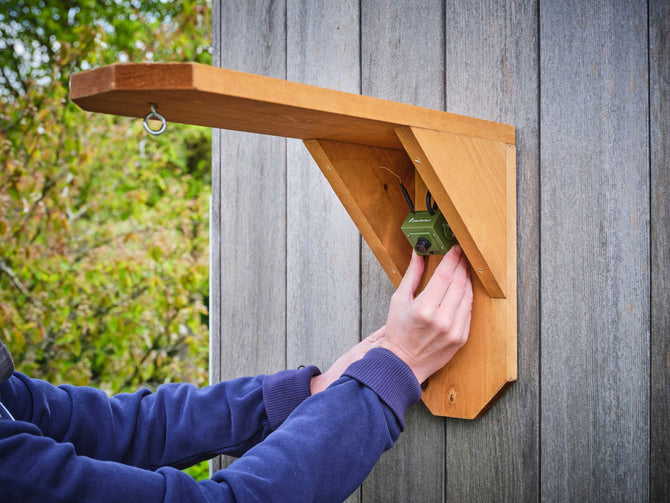
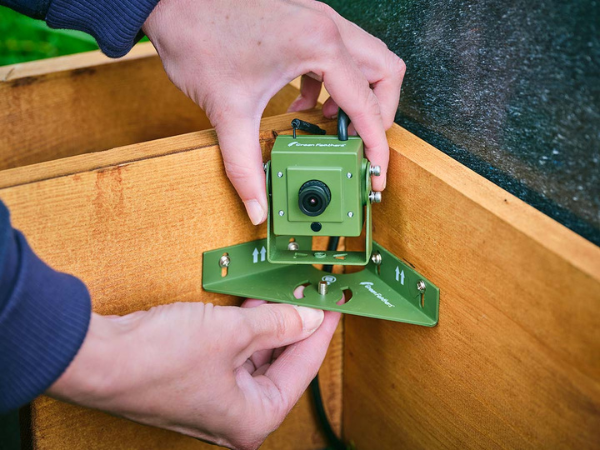
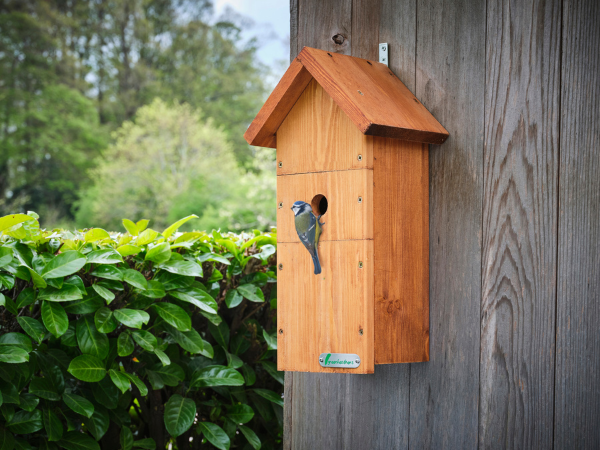
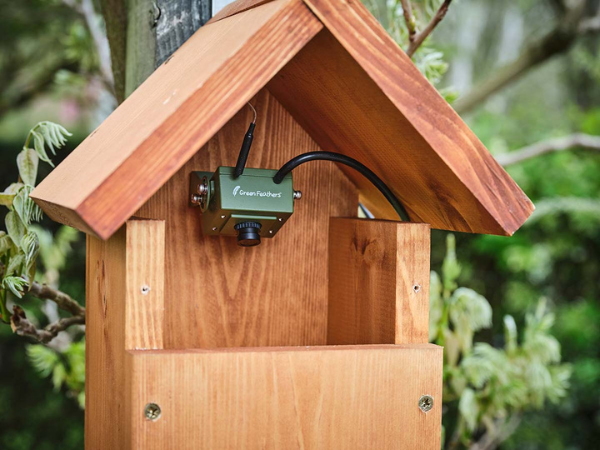
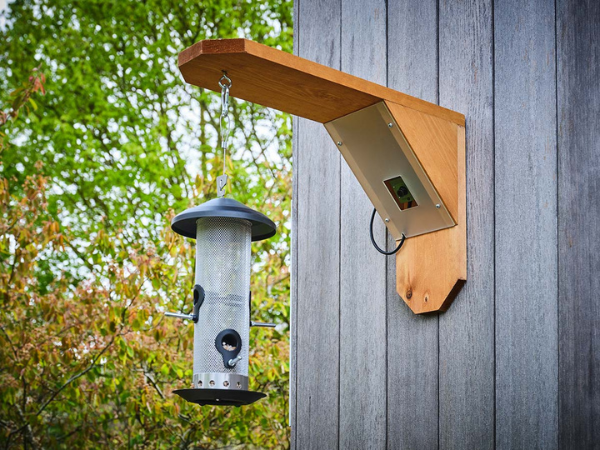
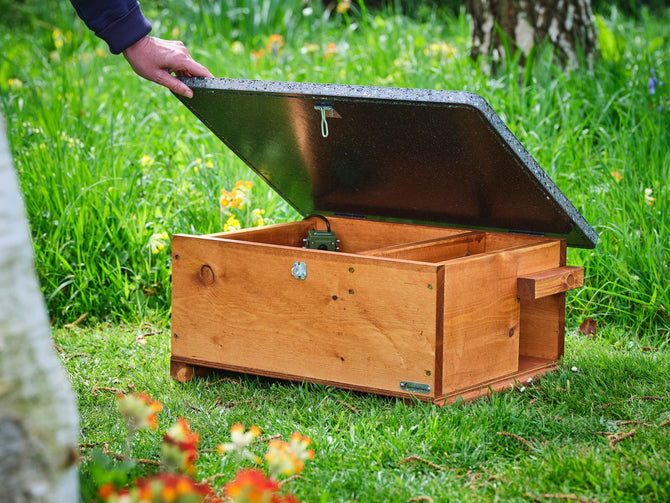
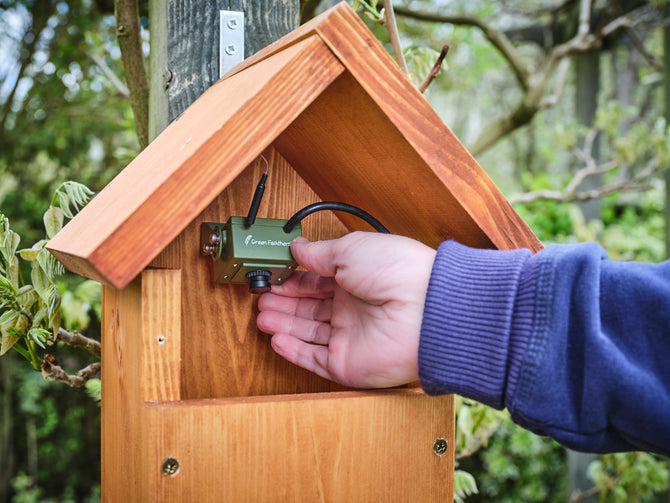
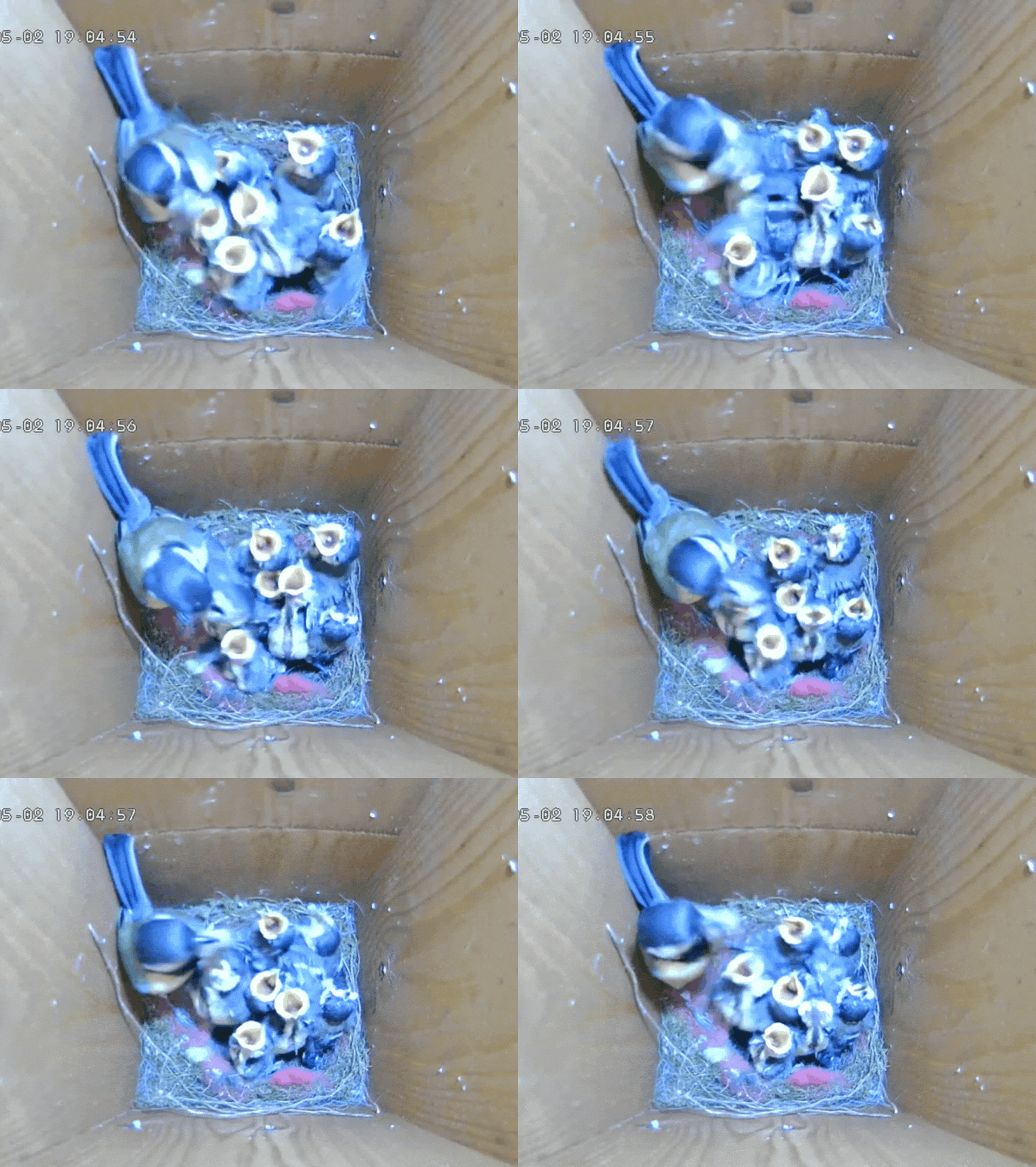
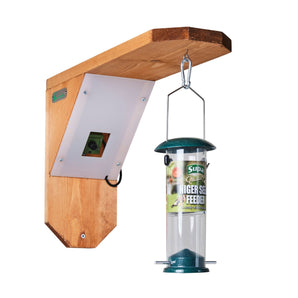
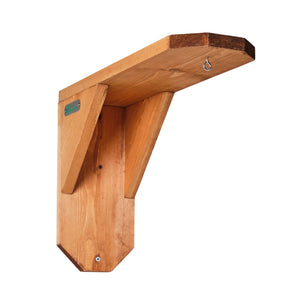
Providing a hedgehog house is one of the best ways to support hedgehogs through winter. Options range from hedgehog houses with cameras to antibacterial hedgehog houses.
When to put out a hedgehog house
Aim to place your hedgehog house in the garden by October, so hedgehogs have time to discover it and get comfortable before hibernation begins.
You can put one out earlier, too. Hedgehogs may use houses for daytime sleeping throughout the warmer months, and some females may use suitable shelters for nesting during the breeding season.
A newly installed house won't necessarily attract a resident immediately, so don't be surprised if it remains empty for a while.
Where to put it
Choose a quiet, sheltered spot:
-
Out of direct sunlight
-
Protected from wind and heavy rain
-
Tucked under shrubs or against a wall
-
Away from frequently used paths, pets and regular garden activity
-
On well-drained ground where water won't collect
Position the entrance so it's sheltered from wind and rain, and make sure the house is stable and unlikely to flood.
Once a hedgehog has moved in, try not to relocate the house or change its surroundings.
What to put inside
You can help by adding a small amount of dry, untreated leaves to the house and leaving extra nesting material nearby.
Hedgehogs are remarkably good at gathering and arranging their own bedding, so there's no need to pack the house full. Dry leaves are particularly useful because hedgehogs naturally construct their winter nests from layers of vegetation.
Avoid plastic, fabric, loose netting or chemically treated materials, as these can trap moisture or harm the hedgehog if chewed.
Keep food and water outside the sleeping house, preferably at a separate feeding station, to avoid attracting other animals to an occupied nest.
A hedgehog care starter pack can help you prepare a dedicated feeding and watering area nearby.

Caring for a hibernating hedgehog in your garden
Caring for a hedgehog in your garden during winter involves providing food and water when needed, maintaining safe shelter and leaving occupied nests undisturbed.
Before hibernation
Autumn is an especially useful time to help hedgehogs build the fat reserves they'll depend on during winter.
-
Provide hedgehog food to supplement their natural diet.
-
Make fresh drinking water available in a shallow, stable dish.
-
Avoid slug pellets and pesticides that could harm wildlife or reduce the invertebrates hedgehogs eat.
-
Leave sheltered areas of the garden undisturbed, particularly around log piles, hedges and compost heaps.
-
Check carefully for hedgehogs before using strimmers, garden forks or other tools near potential nesting sites.
Meaty hedgehog food and suitable meat-based cat or dog food are useful supplementary options. You can find more advice on what to feed hedgehogs, including foods to avoid.
If you notice a very small juvenile hedgehog still active late in autumn, don't assume it can or can't survive winter based on its weight alone. Its condition, behaviour, local weather and access to food all affect whether intervention is necessary. Contact a hedgehog rescue for advice if you're concerned.
During hibernation
Once winter arrives, the best approach is usually to leave hibernating hedgehogs undisturbed.
-
Don't open an occupied hedgehog house or move its nesting material.
-
Avoid disturbing compost heaps, leaf piles and other potential hibernation sites.
-
Keep fresh water available and offer suitable food for hedgehogs that wake and forage.
-
Monitor discreetly if you're using a wildlife camera.
Hedgehogs sometimes wake during hibernation, so it's worth continuing to offer supplementary food in a sheltered feeding station, particularly during mild spells. Dry, meaty cat biscuits or suitable dry hedgehog food can be more practical in freezing conditions than wet food.
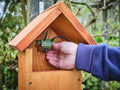
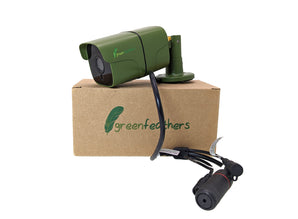
A WiFi hedgehog house camera can let you observe activity without lifting the roof.
Any camera should be installed and tested before the house becomes occupied. Don't open a hibernating hedgehog's shelter to fit or adjust equipment.
After hibernation
As the weather warms up in March or April, hedgehogs will start leaving their nests. If you have a camera, footage can show you when the house is empty. Without one, put a scrunched-up piece of paper in the entrance one evening. If it's still there the next day, the house is probably empty. Once it's vacated:
-
Clean the hedgehog house in April, before hoglets are born. Remove the old bedding, wash the house with boiling water and let it dry fully
-
Wear gloves when cleaning, as old bedding can carry fleas and ticks
-
Put food and water nearby to help hedgehogs regain strength
Hedgehog houses are often used all year round, as hedgehogs sleep during the day even when they're active. A second clean in October, once summer litters have left, gets the house ready for the next hibernation season.
Frequently asked questions about hedgehog hibernation
Should you feed a hibernating hedgehog?
You shouldn't try to wake a hibernating hedgehog to feed it. But leaving suitable food and fresh water outside during winter is a good idea because hedgehogs sometimes wake naturally to forage. Use a separate, sheltered feeding station rather than putting food inside or next to an occupied hedgehog house. Keep the feeding bowls clean.
What if I disturb a hibernating hedgehog?
If you've accidentally uncovered a hibernating hedgehog, carefully replace any displaced nesting material and leave the area quiet. Don't try to make the hedgehog go back to sleep. If it wakes and moves away, provide food and water nearby. Contact a wildlife rescue organisation if the animal is injured, exposed to danger or appears unwell.

How long do hedgehogs hibernate for?
Hedgehogs typically spend around three to five months in hibernation, although the duration varies with the weather and food availability. They don't necessarily remain asleep throughout this period and may wake occasionally to forage, drink or move to another nest, particularly during milder weather.
Do hedgehogs return to the same garden?
Yes, hedgehogs do sometimes return to familiar gardens that provide food, water, shelter and safe routes between habitats. However, they're not guaranteed to use the same nesting spot each winter. Hedgehogs move between shelters, and one hedgehog might use several different nests over the course of a year.
Do hedgehogs hibernate alone?
Yes, hedgehogs are generally solitary animals and usually hibernate in their own nests. They may share a garden with other hedgehogs, but that doesn't mean they'll share a winter shelter. Providing several undisturbed nesting areas can give visiting hedgehogs more opportunities to find somewhere suitable.
Can hedgehogs survive winter without hibernating?
Some hedgehogs stay active during mild winter periods, especially when food is available. However, hibernation helps them conserve energy when natural food is scarce. A hedgehog seen foraging at night may be behaving normally, but one that appears weak, injured or unusually lethargic may need help from a wildlife rescue.
What should I do if I find a hedgehog awake during winter?
First, watch its behaviour. An active hedgehog foraging on a mild winter night may be perfectly healthy. A hedgehog that's staggering, lying exposed or showing signs of injury needs urgent help. If you're unsure, contact a wildlife rescue organisation for advice.
Want to learn more about hedgehogs?
There are plenty of ways to make your garden safer for visiting hedgehogs throughout the year. Our hedgehog facts and care guide covers more about their behaviour, feeding habits and the small changes you can make to help them thrive. You can also contact us for expert info on everything hedgehog!








discovered a hedgehog early hours Tuesday morning didnt curl up so wasn’t afraid mostly likely recognised my smell from food i put out when i thought i was feeding a stray cat last year couldn’t of been the stray cat found he was messy eater this bowl was licked clean every time and also from passing where he lives several times a day from where i saw him he calmly walked into his nest an overturned old wheel burrow covered in brambles and old grass and leaves at back of my shed to me its just untidy junk corner to him its heaven and home he must hibernate there to feeding him unknowingly probably saved his life as it was that time of year September /October always feed birds and left fresh water daily twice in hot summer morning and night all year round now i seen him i am feeding him officially junk corner still junk corner undisturbed as it has been for years ive made a feeding station to in the shed he fed from which also was dark quiet and undisturbed as it was never used to prevent foxes and cats getting at it complete with extra water hopefully help to save a life
Yesterday my dog noticed a bundle of spikes in the garden out in the open. Further inspection was a heavy full grown adult hedgehog. Had a bit of slime and blood on spikes but seemed fine. Took him to a bush in the other garden where my dog can’t enter and be more peaceful. To wake up this morning to him curled up at my front door snoring quite loudly. Currently in a box waiting for me and the kids to make his/hers hibernation box and find a safe space to relocate him away from the neighbourhood cats. Have checked for any others as I know this year a lot have had a second litter. Never seen one in hibernation but last year did save some babies in my garden as I’m guessing the mum had not returned and luckily a lady down the road had a special garden where she reintegrates poorly and young back into the wild.
I have an adult and 2 babies that keeps coming to my garden, 1 feed them cat food and hedgehog food. I have ordered a hedgehog house and I was wondering will they all hibernate in the same place
I was preparing my wood store ready for some new logs, when I noticed a collection of leaves under the base. Closer inspection revealed a prickly looking ‘coat’ amongst them. Observing for a while, I noticed some gentle breathing going on. 😀
As it is early August, I assume it is just spending its nights there. Hopefully, it’ll chose to hibernate there too. It’ll be interesting to keep an eye on things – discreetly, of course.
I have had a hedgehog comming to my garden every night for hedgehog food and water for weeks now 2 are here one going backwards away from the other but it’s lovely to watch them I bought a house and bowel s i feel so lucky to have them come every night