


Capturing natural animal behaviour takes patience, timing, and know-how; but what’s equally important is your equipment. Whether you're just starting out or upgrading your setup, having the right wildlife cameras and accessories can make all the difference.
From fixed garden cameras to portable DSLR setups, choosing the best wildlife photography gear allows you to capture sharper images and observe animals without disturbing them in their natural habitats.
At Green Feathers, we specialise in gear for wildlife photography that’s designed for UK conditions, helping beginners, hobbyists, and wildlife enthusiasts get closer to nature with confidence.
Why the right wildlife photography equipment matters
Wildlife photography isn’t just about having a camera and taking a few snaps. Choosing the right wildlife photography equipment can help improve:
-
Image clarity and stability
-
Low-light performance
-
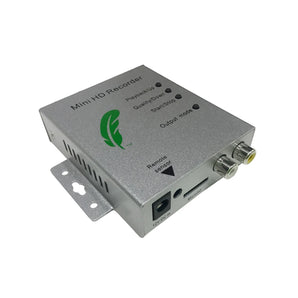
Recording and playback capabilities
-
Camera placement and concealment
-
Power and connectivity in outdoor environments
Whether you're photographing birds, hedgehogs, or garden wildlife, investing in the best camera gear for wildlife photography will help you achieve consistent, high-quality results.
1. Multiple cameras for different angles
A single camera is a great starting point, but expanding your wildlife photography gear with multiple cameras allows you to capture behaviour from different locations and perspectives. For example:
-
Use a DSLR or mirrorless camera for action shots
-
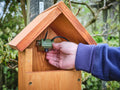
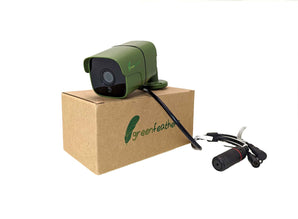
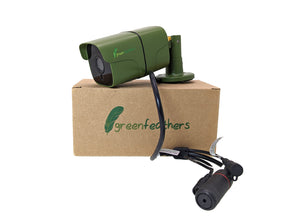
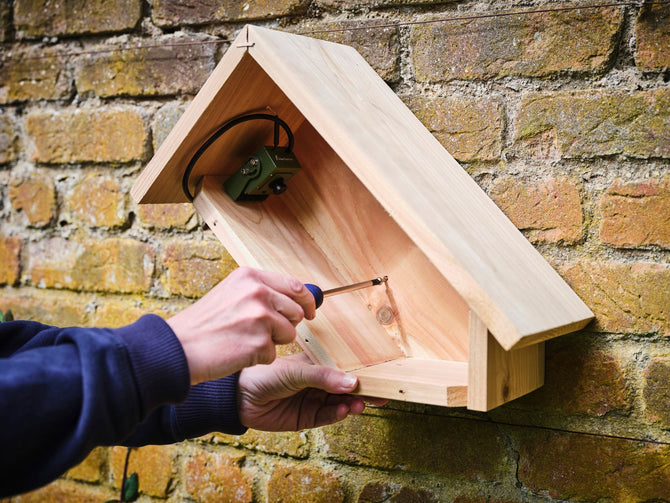
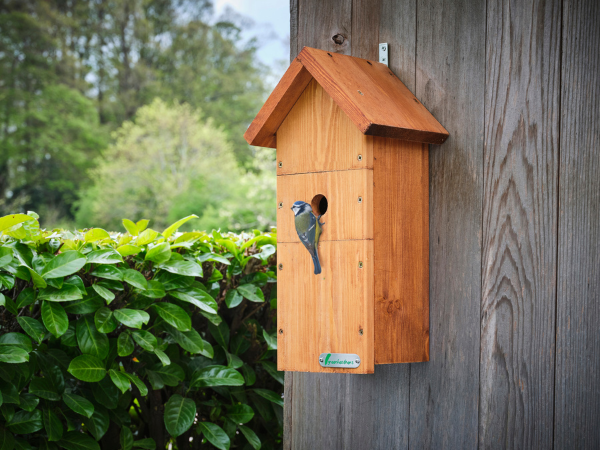
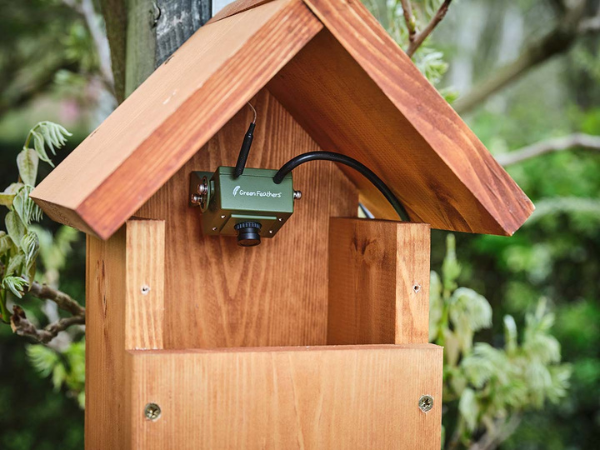
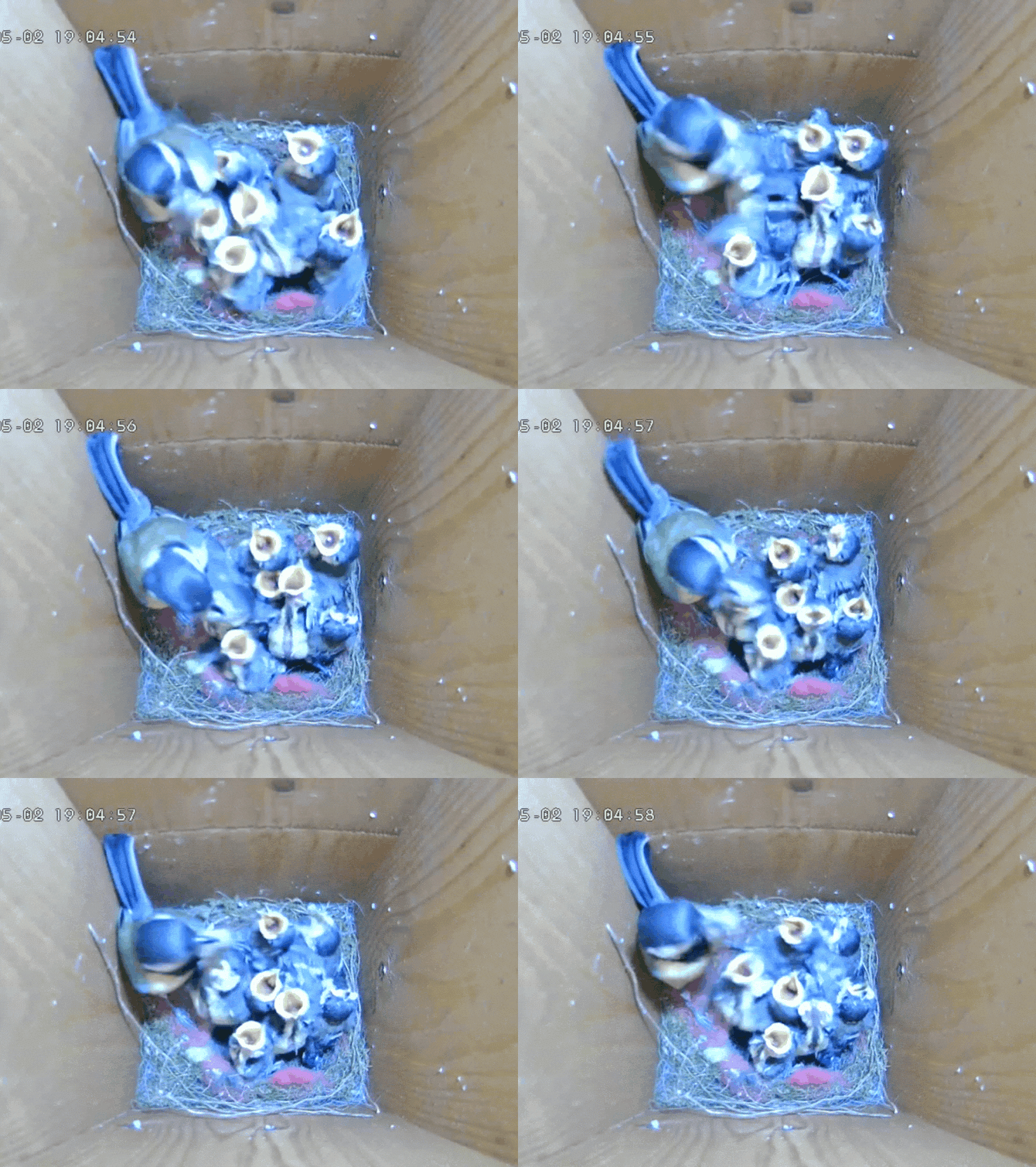
Install fixed wildlife or bird box camera to capture natural behaviour
-
Add trail cameras for remote monitoring
This combination of wildlife photography equipment helps you build a more complete picture of animal activity.
2. A tripod for stability
A tripod is one of the most essential pieces of gear for wildlife photography, particularly when using heavier cameras or long lenses. It provides the stability needed to capture sharp images, especially in low-light conditions where slower shutter speeds are required.
Wildlife is often most active at dawn and dusk, when lighting conditions are less than ideal. A sturdy tripod helps eliminate camera shake during these times, resulting in clearer, more professional-looking images. A tripod also reduces physical strain, allowing you to shoot comfortably for longer periods while waiting for the perfect moment.
3. A bean bag for low-angle shots
Wildlife photography often requires you to adapt to your surroundings, and sometimes that means getting low to the ground. A bean bag is a simple but highly effective piece of wildlife photography gear that provides stable support when a tripod isn’t practical.
It’s particularly useful for photographing small mammals, insects, or ground-feeding birds. With your camera resting securely on a bean bag, you can achieve low-angle shots while keeping your equipment safe from dirt and moisture. This flexibility makes it a valuable addition to any wildlife photography equipment kit, especially for photographers who enjoy capturing more intimate, close-to-ground perspectives.
4. Gimbal head for telephoto lenses
When using large telephoto lenses, a gimbal head becomes an essential piece of gear for wildlife photography. It allows you to balance the weight of your camera and lens while enabling smooth, controlled movement.
This is particularly useful when tracking moving subjects such as birds in flight or animals on the move. A gimbal head reduces strain on your arms and back, while also improving accuracy and stability. For anyone serious about wildlife photography, this type of wildlife photography equipment can make a noticeable difference in both comfort and image quality.
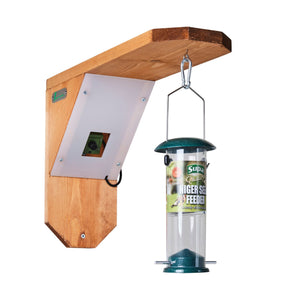
5. Mounting brackets for fixed cameras
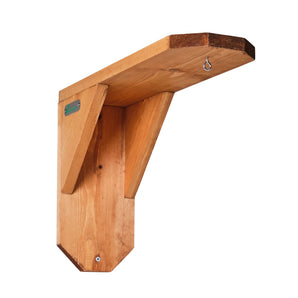
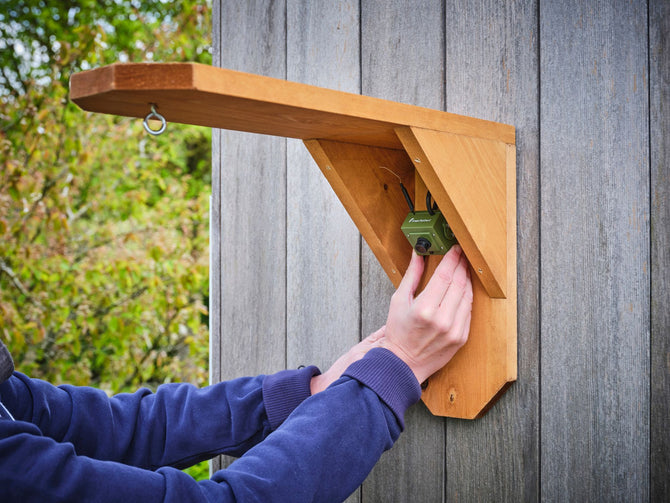
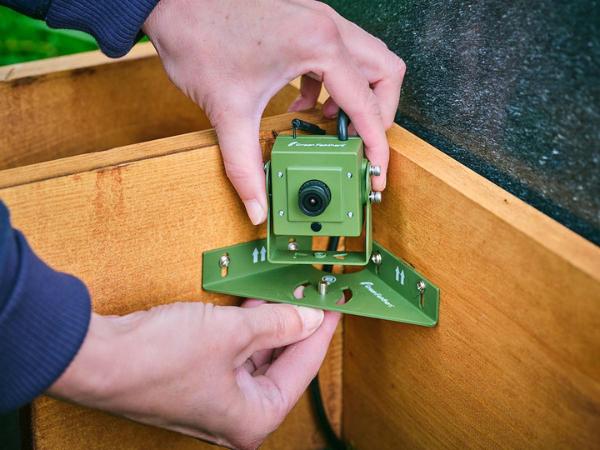
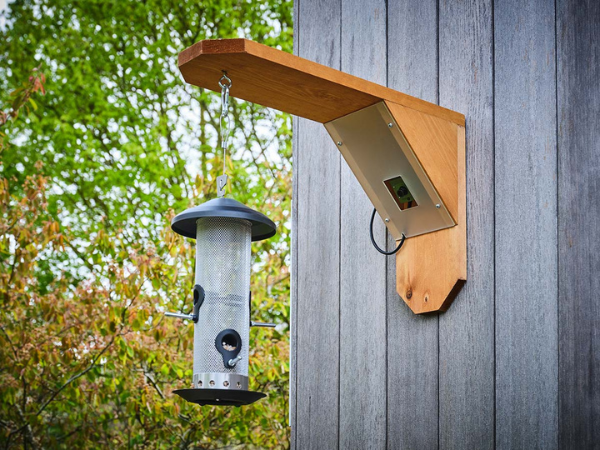
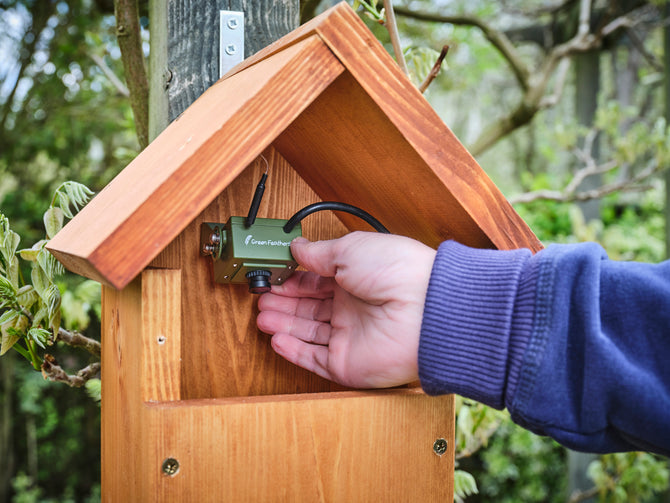
For stationary setups, mounting brackets are an important part of your wildlife photography gear. They allow you to securely position cameras in bird boxes, feeders, fences, or walls, ensuring consistent framing and reliable footage.
A well-mounted camera is less likely to be disturbed by weather or animal movement, which helps maintain stable, high-quality recordings over time. This is particularly important for long-term monitoring projects.
Using the right mounting solutions ensures your wildlife photography equipment stays exactly where you need it, capturing natural behaviour without interference.
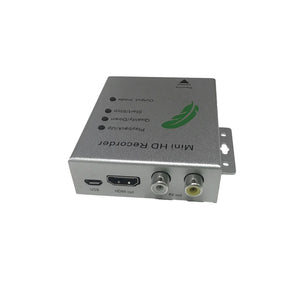
6. AV to HDMI converter
If you're using a wired camera system, an AV to HDMI converter is essential wildlife photography equipment for connecting your setup to modern TVs or monitors.
Many traditional wildlife cameras output analogue signals, which aren’t compatible with newer devices. A converter bridges this gap, allowing you to view live footage in high quality on a larger screen. This makes it easier to enjoy and review your recordings, whether you're watching from your living room or using footage for educational purposes.
7. Wireless receiver and antenna
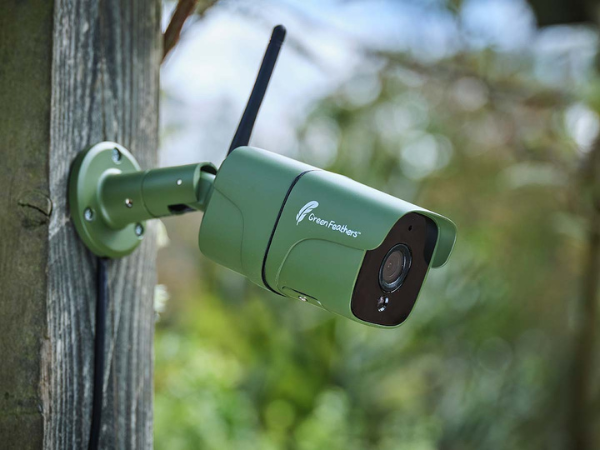
Wireless receiver and antenna kits are valuable gear for wildlife photography, especially when your camera is positioned far from your viewing area.
They improve signal strength and range, helping you maintain a stable connection even when obstacles like walls, fences, or trees are in the way. This is particularly useful for larger gardens or outdoor spaces. Improving connectivity ensures you don’t miss important moments due to signal dropouts or interference.
8. Memory cards and storage solutions
Reliable storage is a crucial part of any wildlife photography gear setup. Without enough memory, you risk missing important footage or losing valuable images.
It’s always a good idea to carry multiple memory cards and use high-quality options that offer fast write speeds and durability. This is especially important when capturing high-resolution images or continuous video footage. Proper storage solutions help protect your data and ensure your wildlife photography equipment performs consistently when you need it most.
9. Spare batteries, chargers and cables
Power is one of the most important considerations in wildlife photography. Having spare batteries, chargers, and cables ensures your wildlife photography equipment remains operational during long sessions or remote shoots.
Running out of power at the wrong moment can mean missing rare or once-in-a-lifetime wildlife encounters. By preparing in advance, you can avoid unnecessary interruptions. Including backup power options in your gear for wildlife photography setup provides peace of mind and allows you to focus on capturing the perfect shot.
10. Power banks and solar charging
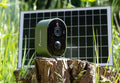
For remote or off-grid setups, power banks and solar panels are some of the best camera gear for wildlife photography. They provide a reliable, sustainable power source without the need for mains electricity.
Solar charging is particularly useful for trail cameras or long-term monitoring setups, allowing your equipment to run continuously with minimal maintenance. This type of wildlife photography equipment is ideal for anyone looking to create a low-maintenance, environmentally friendly setup.
11. Waterproof covers
Outdoor photography always comes with the risk of unpredictable weather. Waterproof covers are essential wildlife photography gear that help protect your equipment from rain, moisture, and damp conditions.
Keeping your camera dry not only extends its lifespan but also ensures consistent performance in challenging environments. This simple addition to your wildlife photography equipment can prevent costly damage and give you confidence when shooting outdoors.
12. Camouflage covers
Getting close to wildlife without disturbing it is one of the biggest challenges in photography. Camouflage covers are effective gear for wildlife photography, helping you blend into your surroundings. Reducing your visibility increases your chances of capturing natural behaviour without influencing how animals act. This is particularly important for shy or easily startled species.
13. Security boxes
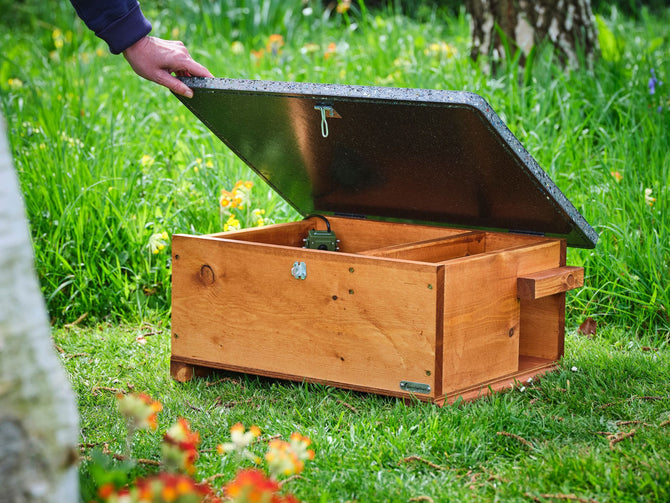
If you’re placing cameras in remote or unattended locations, security boxes are essential wildlife photography equipment. They protect your devices from theft, vandalism, and damage caused by animals. These durable enclosures provide peace of mind, especially for long-term monitoring setups where regular checks aren’t always possible.
14. Lenses for every scenario
Different lenses allow you to capture a variety of wildlife shots. Telephoto lenses are perfect for observing animals from a distance, while macro lenses enable you to take beautifully detailed close-ups.
Having a selection of lenses as part of your wildlife photography equipment gives you the flexibility to adapt to different situations and capture more diverse images.
15. Teleconverters for extra reach
Teleconverters are a valuable addition to your gear for wildlife photography, allowing you to extend the reach of your existing lenses without needing to invest in larger, more expensive options. They’re particularly useful when photographing distant wildlife, helping you achieve tighter, more detailed shots.
16. Binoculars for observation
Observation is a key part of successful wildlife photography. Binoculars are an often-overlooked piece of wildlife photography equipment that can help you spot animals and understand their behaviour before taking a shot. Including binoculars in your gear for wildlife photography improves both your efficiency and your overall experience.
17. LED lamps for low-light conditions
Many animals are most active in low-light conditions, making lighting an important consideration. LED lamps are essential wildlife photography gear for improving visibility during early mornings, evenings, or nighttime shoots. Adding lighting to your wildlife photography equipment ensures you can capture clear, detailed images regardless of the time of day.
18. Camera bag for organisation
With so many accessories, keeping your wildlife photography gear organised is essential. A high-quality camera bag protects your equipment and makes it easier to transport everything safely. Look for bags with padded compartments, weather resistance, and enough space for all your essentials.
Start your wildlife photography journey with Green Feathers
The best camera gear for wildlife photography combines portability, reliability, and adaptability. Whether you're capturing birds in your garden or monitoring nocturnal visitors, having the right setup ensures you never miss a moment.
At Green Feathers, our range of wildlife photography equipment is designed to support every stage of your journey, from beginner setups to advanced multi-camera systems. Explore our full range of wildlife cameras today, including bird box cameras, trail cameras and more. We also carry a huge collection of specialist wildlife camera accessories to complement your setup.