

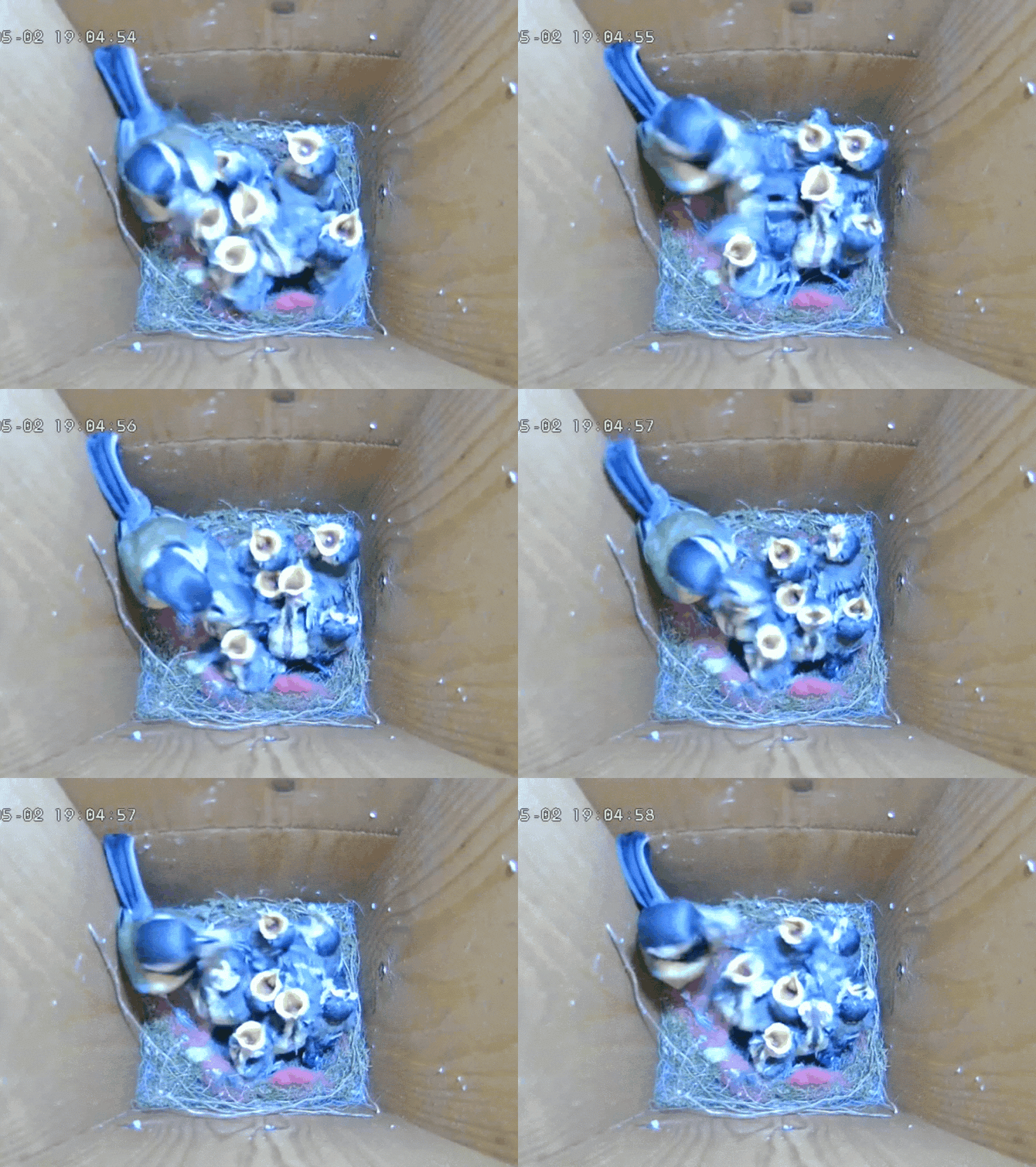

As UK summers become increasingly warmer, heatwaves are becoming more common and more intense. And while many people enjoy sunny weather, prolonged periods of extreme heat can be challenging – and even dangerous – for garden birds.
Birds are highly adaptable, but they still rely on suitable habitats to find water, shelter and food. During a heatwave, natural water sources can dry up, food availability can change, and birds may struggle to regulate their body temperature.
Fortunately, there are several simple steps you can take to make your garden a safe haven for birds during hot weather, which we’ll dive into below.

How do heatwaves affect birds?
Like all animals, birds need to maintain a stable body temperature. However, unlike humans, they can’t sweat to cool down. Instead, birds regulate heat through behaviours such as:
-
Panting with their beaks open
-
Holding their wings away from their bodies
-
Seeking shade during the hottest parts of the day
-
Bathing in water to cool down
When temperatures remain high for extended periods, birds can become dehydrated and vulnerable to heat stress. Young birds and fledglings are particularly at risk, as they may have limited experience finding food, water and shelter independently.
How to help birds during a heatwave
1. Provide fresh water every day
One of the most effective ways to help birds during a heatwave is by ensuring they have access to clean, fresh water, which is essential for drinking, cooling down, bathing and maintaining healthy feathers.

A bird bath can quickly become one of the most popular features in your garden during hot weather. To make it safe and attractive to birds:
-
Refill it daily with fresh water
-
Keep water shallow, particularly for smaller birds
-
Add stones or pebbles to provide secure footing
-
Place it away from areas where predators may hide
During particularly hot days, checking water levels in the morning and evening can help ensure birds always have access to a reliable source.
2. Create shaded areas for birds
Shade provides birds with a place to rest and recover when temperatures soar. Natural shade can be created through:
-
Trees
-
Shrubs
-
Hedges
-
Climbing plants
-
Dense planting schemes
If your garden has limited vegetation, consider creating temporary shaded areas using pergolas, shade sails or other garden structures. Plus, positioning bird feeders and water sources near or within these shaded locations can make them more appealing during hot weather.
3. Offer suitable food during hot weather
Birds still need energy during a heatwave, but some bird foods are better suited to warm conditions than others. Good options include:

-
Sunflower hearts
-
Mealworms
-
Seed mixes
-
Oats
-
Fresh fruit such as apples and berries
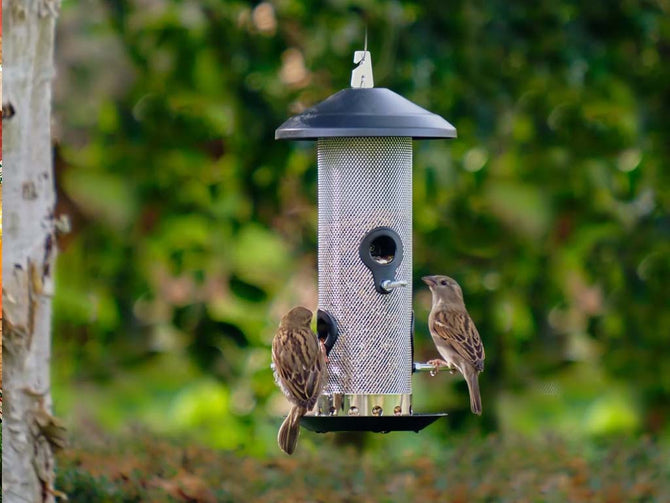
Avoid allowing food to spoil in direct sunlight, particularly during prolonged periods of hot weather. It's also important to clean feeders regularly, as higher temperatures can encourage the growth of bacteria and mould.
Providing smaller quantities of food more frequently can help keep feeding stations fresh and safe.
4. Keep bird baths and feeders clean
As mentioned above, heat can accelerate the growth of harmful bacteria, algae and parasites. Therefore, bird baths and feeders should be cleaned regularly throughout the summer to reduce the risk of disease spreading among visiting birds. As a general guide:
-
Rinse bird baths daily
-
Scrub bird baths weekly
-
Clean feeders regularly according to manufacturer recommendations
-
Remove uneaten food promptly
5. Support natural shelter and nesting areas
Gardens with a variety of habitats are often more resilient during extreme weather. For example, native trees, shrubs and hedgerows provide:
-
Shade
-
Nesting opportunities
-
Protection from predators
-
Access to insects and natural food sources
Allowing parts of your garden to remain slightly wild can create valuable refuges for birds and other wildlife, either during summer or all year round. Dense vegetation can also help reduce ground temperatures compared to hard surfaces such as paving and decking.
6. Avoid disturbing nesting birds
Heatwaves can place additional stress on nesting birds. If you know birds are nesting in your garden, make sure you avoid excessive pruning and minimise disturbance around nesting sites, such as by keeping pets away from active nests where possible. Young birds already face significant challenges during periods of extreme heat, so reducing unnecessary stress can improve their chances of survival.
7. Be mindful of artificial hazards
Certain garden features can become dangerous during very hot weather. Potential risks include:
Hot surfaces
Metal fencing, garden furniture, decking and dark paving can become extremely hot in direct sunlight. Birds resting on these surfaces may be exposed to excessive heat.
Reflective windows
Large windows can pose a collision risk for birds throughout the year. During bright summer conditions, reflections can become even more pronounced.
Chemicals and pesticides
Avoid using unnecessary chemicals during heatwaves, as wildlife may already be under additional environmental stress. Remember that a wildlife-friendly garden supports birds far more effectively than one heavily reliant on pesticides.
8. Plant for future heatwaves
As climate patterns continue to change, creating a resilient wildlife garden is becoming increasingly important. Consider planting:
-
Native trees
-
Mixed hedgerows
-
Flowering plants for pollinators
-
Berry-producing shrubs
-
Dense evergreen shelter
These features help create cooler microclimates whilst supporting a wide range of wildlife throughout the year. The more diverse your garden habitat, the better equipped birds will be to cope with future periods of extreme weather.
9. Monitor bird activity with a wildlife camera
Heatwaves can alter bird behaviour significantly. Birds may visit water sources more frequently, feed at different times of day or spend more time resting in shaded areas.

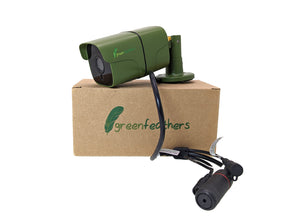
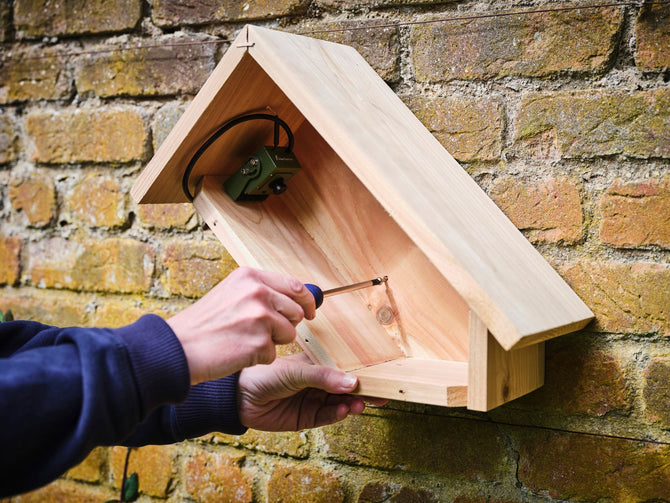
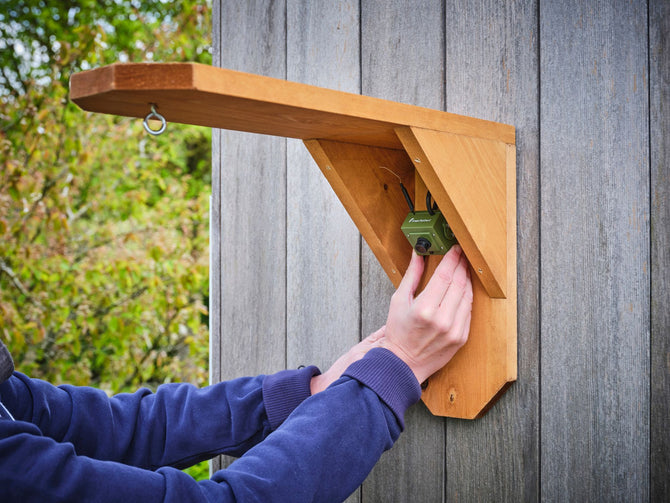
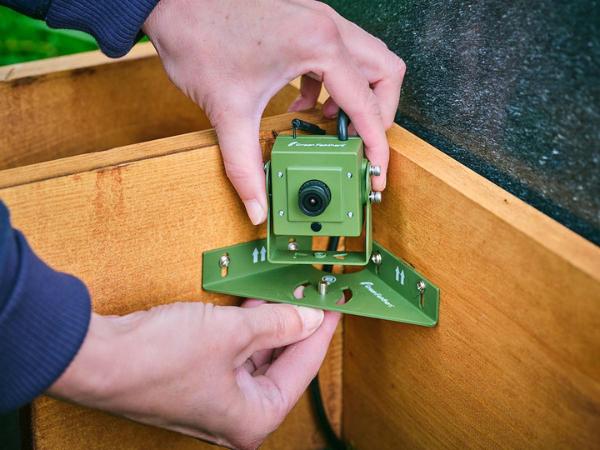
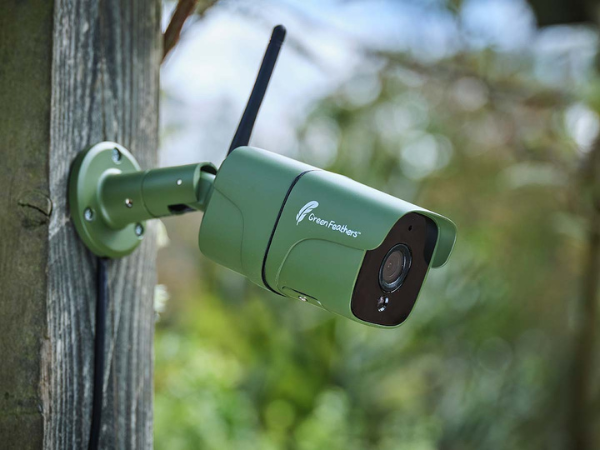
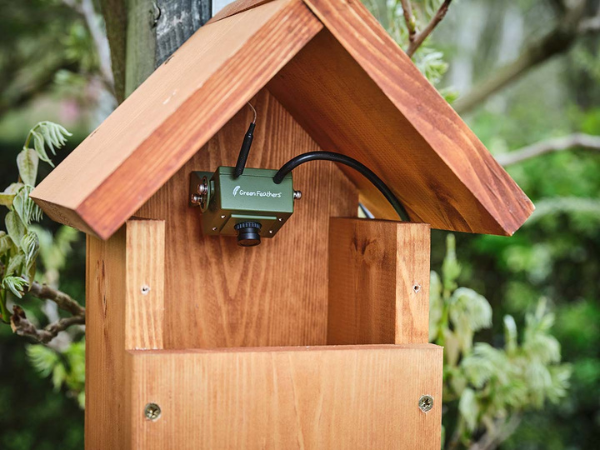
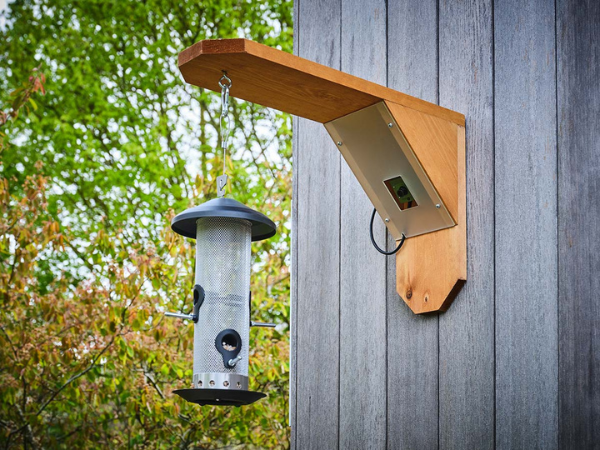
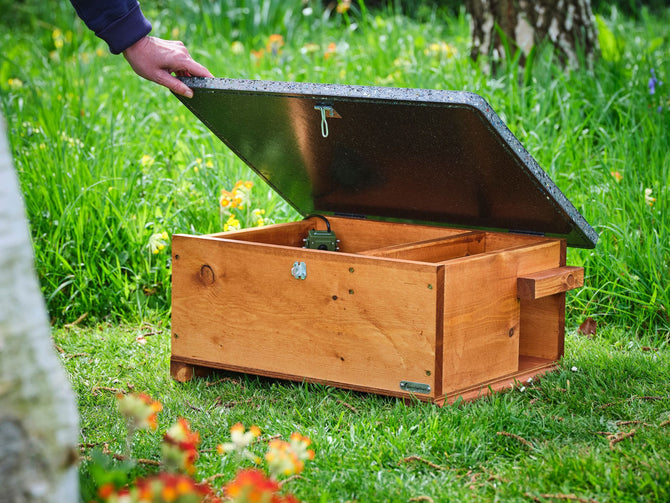
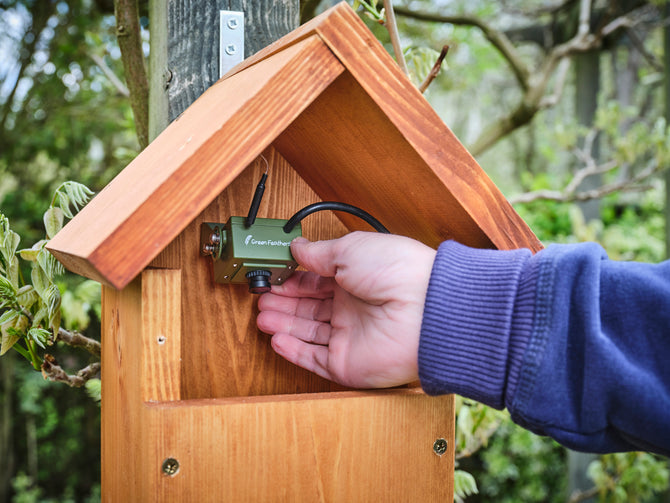
A wildlife camera can provide a fascinating glimpse into how birds use your garden during hot weather, helping you identify which features are most valuable and where additional support may be needed. Monitoring wildlife activity can also help you spot signs of heat stress and ensure birds are making good use of the resources you've provided.
Frequently asked questions about how to help birds in hot weather
Do birds need water during a heatwave?
Yes – access to fresh water is one of the most important requirements for birds during hot weather. Birds use water for both drinking and cooling down.
How do I provide water for birds in summer?
Installing a bird bath in your garden is a great way to encourage garden birds to rehydrate. Choose a spot away from direct sunlight and high-traffic areas for the best results.
What should I put in a bird bath during hot weather?
Clean, fresh water is all that's needed. Adding a few stones or pebbles can help smaller birds enter and leave safely.
Where should I place a bird bath in summer?
Position bird baths in a partially shaded area where birds can easily spot approaching predators whilst remaining protected from the strongest sunlight.
Can birds overheat?
Yes – prolonged exposure to extreme temperatures can cause dehydration, exhaustion and heat stress, particularly in young or vulnerable birds.
Should I feed birds during a heatwave?
Yes, but ensure food remains fresh and does not spoil in the heat. Regular cleaning of bird feeders is particularly important during warm weather.
How do I protect birds in my garden from extreme heat?
Provide fresh water (in a bird bath), create shady spots for shelter, avoid pesticide use and provide suitable food in a clean bird feeder to help support garden bird populations during hot weather. Monitoring garden birds with a wildlife camera can also give you further insight into bird behaviour and potential ways to help.
Heatwaves can be challenging for garden birds, but a few simple changes can make a significant difference. By providing fresh water, creating shaded areas, maintaining clean feeding stations and supporting natural habitats, you can help birds stay healthy and safe during periods of extreme heat.
As temperatures rise, wildlife-friendly gardens are becoming increasingly important. With the right care and preparation, your garden can provide a vital refuge for birds throughout the hottest days of summer. Learn more about creating wildlife-friendly spaces on the Green Feathers blog, or browse our selection of habitats, bird feeders, bird boxes and bug hotels to start supporting your garden’s ecosystem today.