


For many people, the sight of a wasp buzzing around a picnic or garden gathering is enough to trigger alarm. Unlike bees, which are generally viewed as helpful pollinators, wasps often have a reputation for being aggressive pests that serve little purpose beyond ruining summer afternoons. But are wasps really as bad as they're made out to be?
The truth is that wasps play a surprisingly important role in the natural world. From controlling garden pests to supporting pollination and biodiversity, these often-misunderstood insects are an essential part of healthy ecosystems. Learn more about how they fit into the bigger picture below.
Why do wasps have such a bad reputation?
Wasps are best known for their ability to sting multiple times and their tendency to become more noticeable during late summer. Social wasp species, such as common wasps and German wasps, are often attracted to sugary foods and drinks, leading to unwanted encounters with humans.

However, the wasps we notice around our homes and gardens represent only a small fraction of the UK's wasp population. There are around 9,000 species of wasps in the UK, and the vast majority are solitary species that rarely interact with people at all. Many of these species are harmless to humans and spend their lives performing valuable ecological functions that often go unnoticed.
Solitary wasps typically:
-
Live alone rather than in colonies
-
Rarely sting humans
-
Hunt insect prey
-
Nest in soil, wood or plant stems
-
Play important roles in pest control
Discover more about the benefits of our diverse wasp species below!
What do wasps do for the ecosystem?
1. Wasps are nature's pest controllers
One of the most important benefits of wasps is their role in natural pest control. Many wasp species are predators that feed on insects commonly considered garden or agricultural pests, collecting caterpillars, aphids, greenfly, flies and other insects to feed their developing larvae.
A single wasp colony can remove thousands of pest insects during the course of a summer, and this natural pest management helps:
-
Protect plants from insect damage
-
Reduce pest populations in gardens
-
Support healthier ecosystems
-
Decrease reliance on chemical pesticides
For gardeners and farmers alike, wasps provide a valuable service by helping keep pest numbers under control naturally.
2. Wasps pollinate flowers
Although bees are generally regarded as the UK's most important pollinators, wasps also contribute to pollination. Adult wasps feed on nectar and frequently visit flowers throughout the spring and summer. As they move between plants, they can transfer pollen from one flower to another, helping certain species reproduce.

Wasps are less efficient pollinators than bees because they have smoother bodies that collect less pollen, but they still play a role in supporting flowering plants and maintaining biodiversity. Research suggests that wasps may contribute to the pollination of hundreds of plant species worldwide, highlighting their often-overlooked ecological value.
3. Wasps support biodiversity
Every species within an ecosystem has a role to play, and wasps are no exception. Wasps occupy an important position within food webs, acting as both predators and prey to help maintain balance within natural habitats.
Many animals rely on wasps as a food source, including:
-
Birds
-
Spiders
-
Amphibians
-
Reptiles
-
Small mammals
As a result, removing wasps from an ecosystem can have knock-on effects throughout the food chain, impacting numerous other species. By simultaneously controlling insect populations and providing food for other wildlife, wasps help support healthy and diverse ecosystems.
What would happen if wasps disappeared?
It's easy to assume that fewer wasps would simply mean fewer stings. However, the ecological consequences could be far more significant. Without wasps:
-
Pest insect populations could increase dramatically
-
Crops and garden plants could experience greater damage
-
Food chains would be disrupted
-
Biodiversity could decline
-
Certain pollination processes could be affected
Scientists increasingly recognise that wasps provide ecosystem services worth billions of pounds globally through pest control and pollination alone. This means their disappearance would create challenges for both wildlife and agriculture.
How can you coexist with wasps?
Whilst nobody wants a wasp nest directly beside a doorway or outdoor seating area, most wasps can be safely left alone. To minimise conflicts:
-
Avoid swatting at wasps, which can make them defensive
-
Keep sugary foods and drinks covered outdoors
-
Provide alternative water sources in hot weather
-
Leave flowering plants for pollinators
-
Only seek professional nest removal when a nest poses a genuine risk

Watching wasps in your garden
Observing wildlife in your garden can reveal just how busy and beneficial wasps really are. Alongside bees, butterflies and birds, wasps are constantly working to maintain ecological balance.
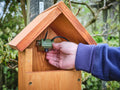
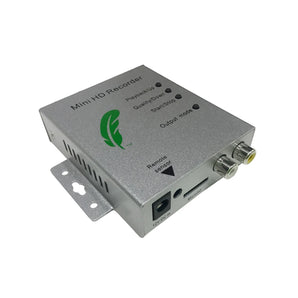
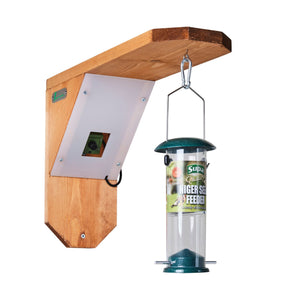
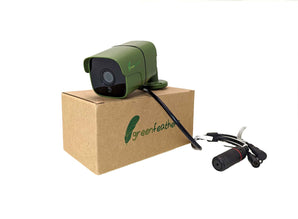
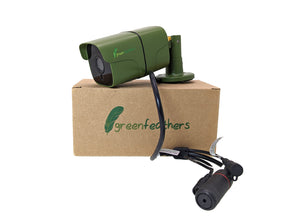
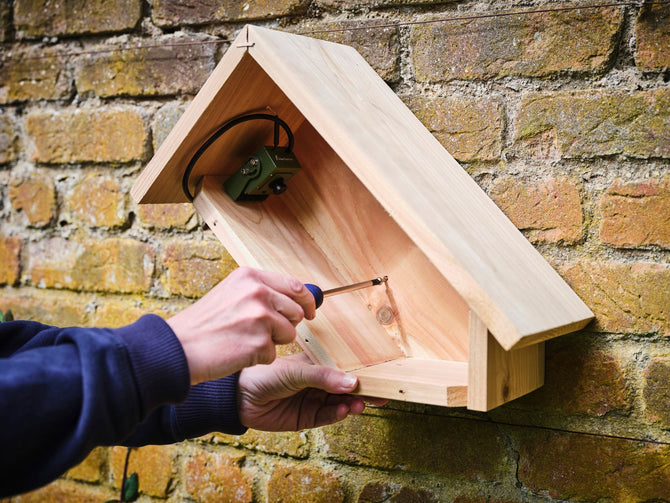
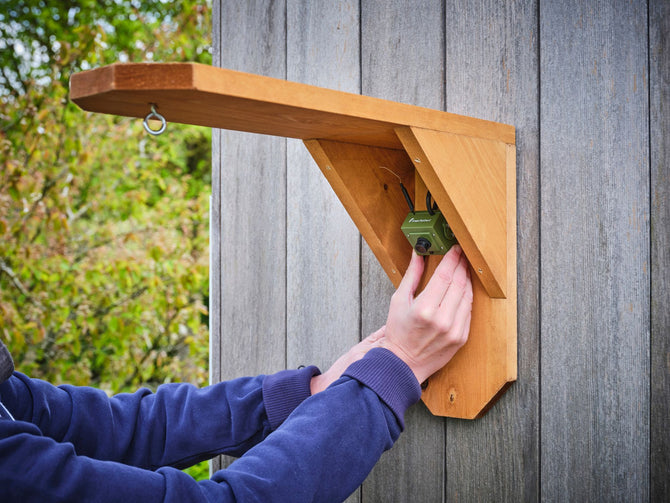
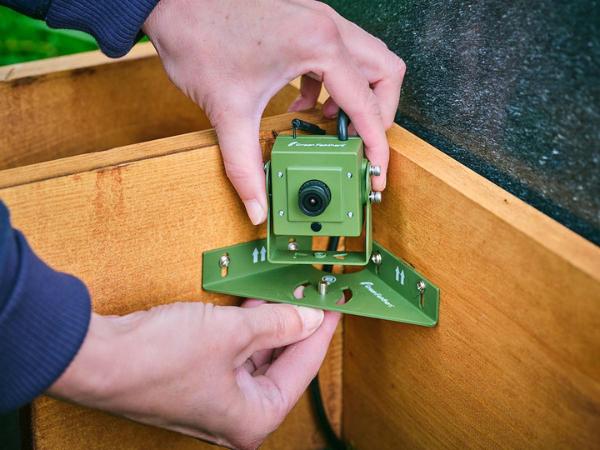
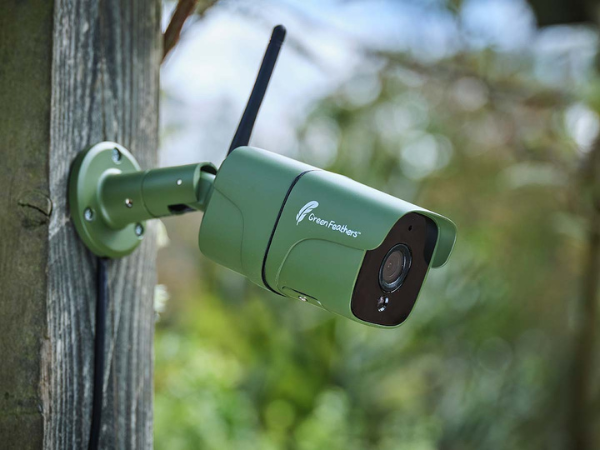
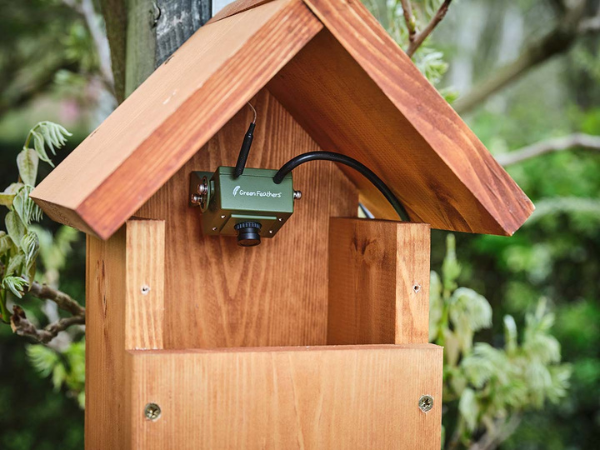
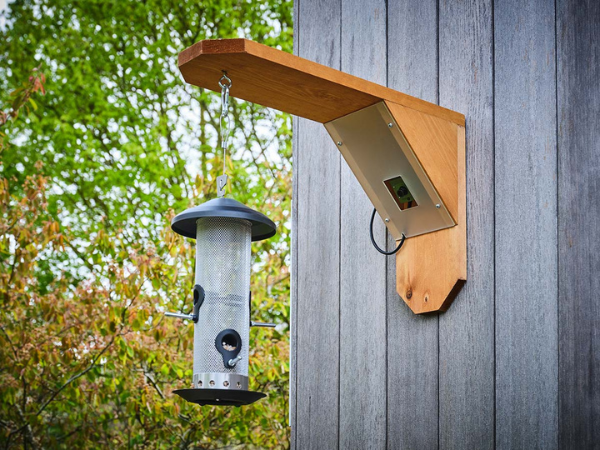
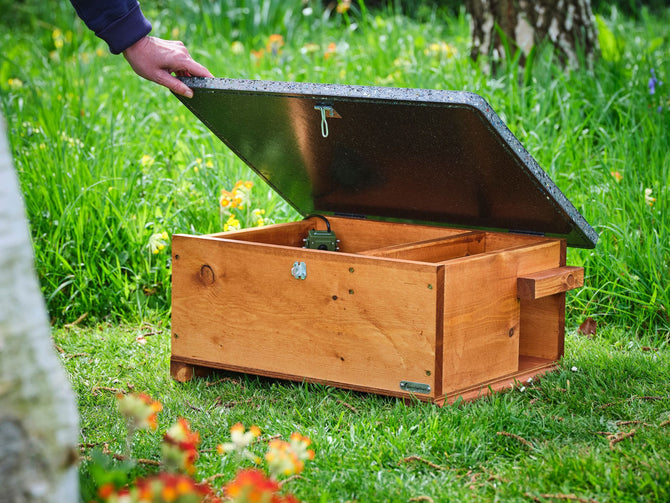
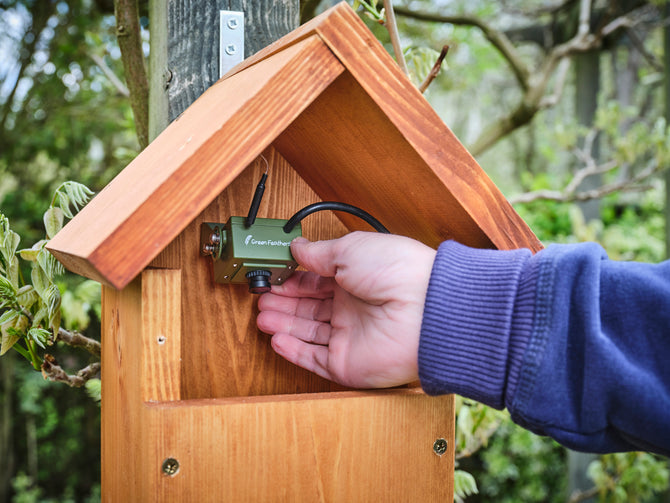
Setting up a wildlife camera can offer fascinating insights into insect activity around flowers, nesting sites and feeding areas, helping you discover the hidden interactions taking place in your garden every day.
Frequently asked questions about wasps
Are wasps good for the environment?
Absolutely! Wasps provide natural pest control, contribute to pollination and support biodiversity by acting as both predators and prey within ecosystems.
Do wasps pollinate flowers?
Although they’re less efficient pollinators than bees, many wasp species visit flowers for nectar and can transfer pollen between plants.
Why are wasps important for gardens?
Wasps help control common garden pests such as aphids, caterpillars and flies, reducing damage to plants and supporting healthier ecosystems.
Are all wasps aggressive?
No. Most of the UK's thousands of wasp species are solitary and rarely sting humans. Only a small number of social species are commonly encountered around homes and gardens.
Should I remove a wasp nest?
Not necessarily. Many nests are temporary and die out naturally in autumn. Removal is generally only recommended if a nest presents a safety concern or is located in a high-traffic area.
Wasps may never achieve the same popularity as bees or butterflies, but they deserve far more credit than they often receive. These remarkable insects help control pests, support pollination, sustain food chains and contribute to the overall health of our ecosystems.
Keen to learn more about the critters in your garden? Check out the Green Feathers blog for more wildlife-watching tips and tricks, or take a look at our wide selection of cameras and habitats if you’re ready to get involved!