


Caring for hedgehogs in your garden is a simple but meaningful way to support British wildlife. With hedgehog numbers in decline across the UK, small actions like feeding hedgehogs correctly can make a genuine difference to their survival.
One of the most common questions we’re asked is what to feed hedgehogs, and understandably so. Whilst offering food can help hedgehogs thrive, especially during colder months, feeding them the wrong foods can do more harm than good.
This guide explains everything you need to know about feeding hedgehogs safely, including what foods are suitable, what to avoid, and how to create a clean, secure feeding area in your garden.
Why feeding hedgehogs matters
Hedgehogs face increasing challenges due to habitat loss, reduced insect populations, road traffic and climate change. In towns and cities especially, natural food sources such as beetles, worms and slugs are becoming harder to find.
Providing supplemental food can:
-
Help hedgehogs maintain a healthy weight
-
Support them during colder months and pre-hibernation
-
Reduce stress caused by food scarcity
-
Encourage regular visits to safe gardens
However, feeding hedgehogs responsibly is essential. Incorrect foods, poor hygiene or overfeeding can lead to illness or long-term health problems.
What can you feed a hedgehog – and how do you feed them in your garden?
If you’re wondering what to feed hedgehogs, the goal is to offer foods that closely match their natural, insect-based diet.
1. Hedgehog-specific food (best option)
High-quality hedgehog food is the safest choice. These foods are nutritionally balanced and designed specifically for hedgehog dietary needs.
2. Meat-based cat or dog food (suitable alternative)
If hedgehog food isn’t available, you can use:
-
Meat-based wet cat food (in jelly or gravy)
-
Kitten biscuits
-
Meat-based wet dog food
Avoid fish flavours and always check ingredients are low in salt and sugar.
3. Fresh water (essential)
When feeding hedgehogs, it’s also important to leave a shallow dish of fresh water, especially during hot weather. Hedgehogs, like any creature, also need water to drink and are susceptible to dehydration if they cannot find a source.
4. Use a hedgehog feeding station
Feeding stations help:
-
Protect hedgehogs from predators
-
Prevent cats or foxes stealing food
-
Keep feeding areas clean and dry
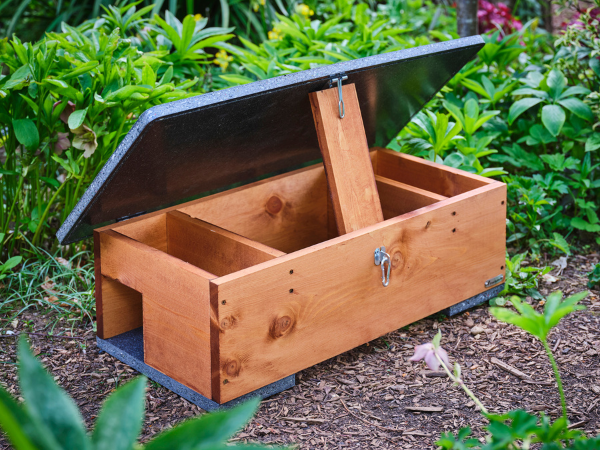
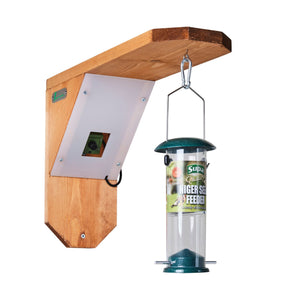
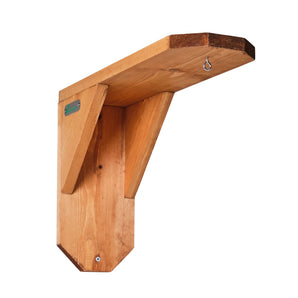
These can be made with resources in your garden, or you can purchase wooden hedgehog feeding stations online.

5. Feed at the right time
It is best to put food out in the evening, just before dusk, when hedgehogs become active. This reduces waste and discourages other animals. In terms of time of year, you should only put hedgehog food out when they’re not in hibernation (late autumn to early spring) – otherwise, it will go to waste and potentially attract other animals.
6. Clean and replace food daily
You should make it a habit to check the food and water bowls each day, to top them up with fresh water and food, and remove any food that hasn't been eaten. Leftover food and water will attract other animals and can go stagnant and rot over time, which can make your prickly pals very ill if they were to eat it.
7. Clean your food bowls and feeding station
To help prevent the spread of disease, you should:
-
Remove uneaten food every morning
-
Wash bowls with hot, soapy water
-
Replace water daily
You should do this outside using hot, soapy water and rinse well. This will help to reduce the spreading of disease between different hedgehogs that might eat from the same dish or use the same feeding station.
What not to feed hedgehogs
Now you know what to feed hedgehogs and how to safely do so, what should you avoid feeding to a hedgehog?
Foods to avoid completely:
-
Milk – hedgehogs are lactose intolerant
-
Bread and oats – filling but nutritionally poor
-
Dried nuts, seeds and fruit – choking and blockage risk
-
Processed or seasoned human food – too much salt and fat
-
Raw meat, eggs or offal – risk of bacteria and imbalance
Avoid overfeeding
Overfeeding can lead to obesity and mobility problems. Mealworms should only be offered occasionally, as excessive amounts can cause metabolic bone disease.
When should you feed hedgehogs?
You should only feed hedgehogs when they are active:
-
Spring to late autumn
-
Avoid feeding during hibernation unless advised by a wildlife rescue
If you see a hedgehog out during winter daylight hours, contact a local wildlife rescue for advice.
How to set up a hedgehog feeding station
A secure feeding station is one of the most important parts of feeding hedgehogs safely. It protects them while they eat, keeps food dry, and prevents other animals from stealing food or spreading disease.
Use a purpose-built hedgehog feeding station or habitat (recommended)
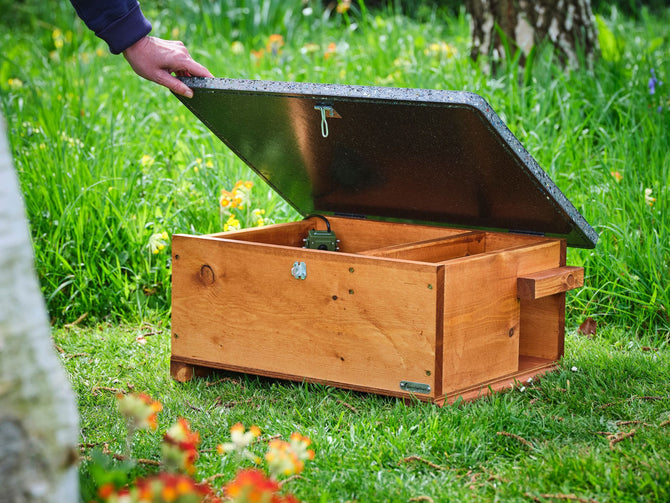
The safest and most reliable option is a purpose-built hedgehog feeding station or habitat designed specifically for wild hedgehogs.
High-quality hedgehog habitats:
-
Are sized correctly for hedgehogs, with narrow entrances to deter predators
-
Provide shelter from wind, rain and cold temperatures
-
Keep food and water contained and hygienic
-
Reduce disturbance from pets and other wildlife
Because these habitats are designed with hedgehog behaviour and welfare in mind, they offer far greater protection than makeshift alternatives. They also encourage hedgehogs to return regularly, helping them build a consistent and safe feeding routine.
For best results, place the feeding station in a quiet, sheltered area of your garden, away from bright lights and busy footpaths.
Can you make a feeding station yourself?
If a ready-made feeding station isn’t an option, a simple DIY shelter can work as a temporary solution. However, it’s important to ensure it:
-
Is stable and weatherproof
-
Has a hedgehog-sized entrance (around 13 x 13 cm)
-
Keeps food off damp ground
DIY feeding stations often require regular checking and maintenance, as they may not offer the same level of protection or durability as a purpose-built hedgehog habitat.
How to observe feeding hedgehogs in your garden
When hedgehogs are feeding, it’s important to leave them be. Disturbing hedgehogs whilst feeding can make them feel unsafe, stop them eating, and could prevent them from coming back to your garden.
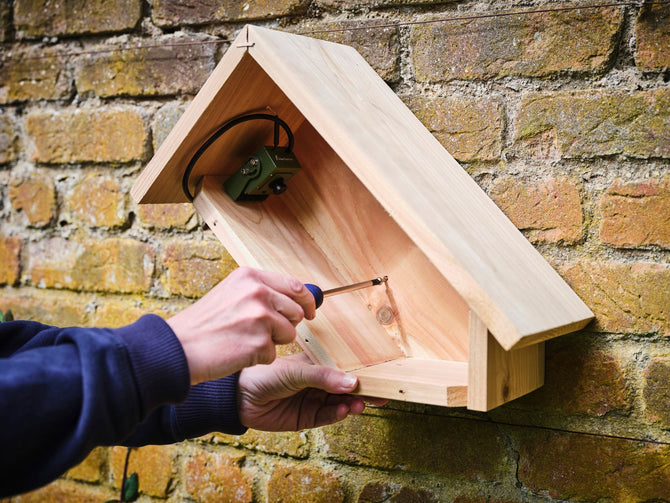
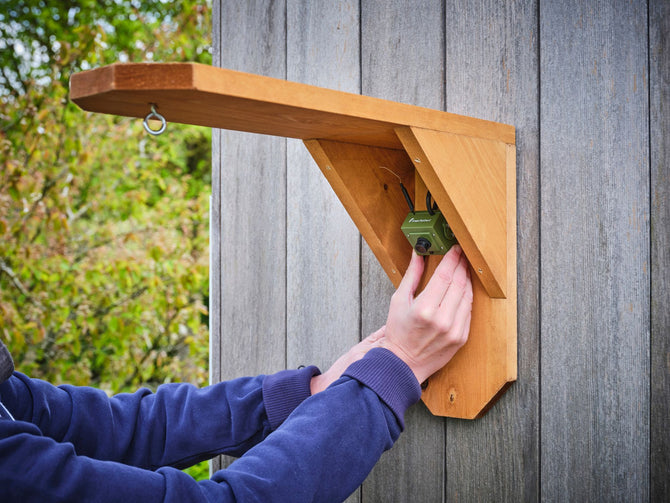
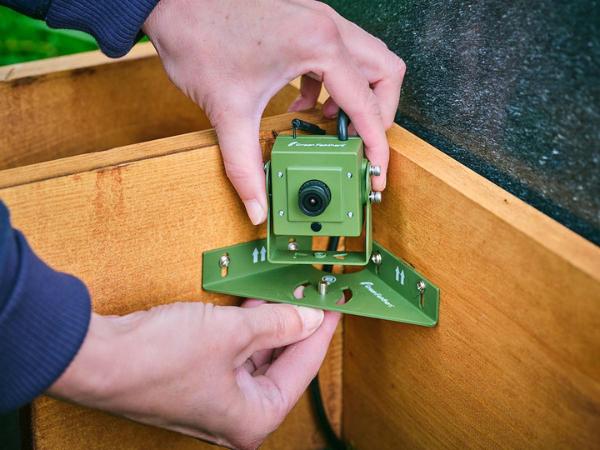
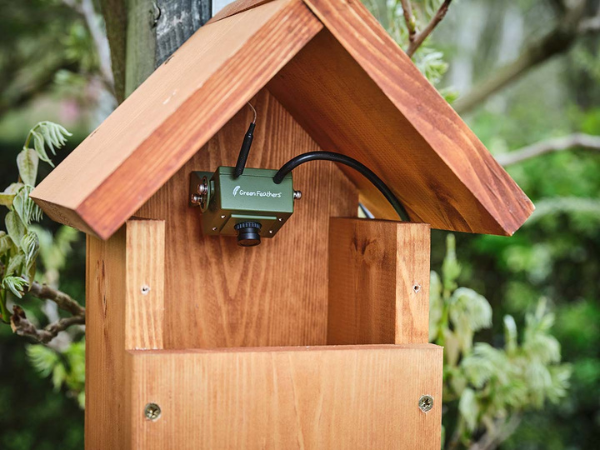
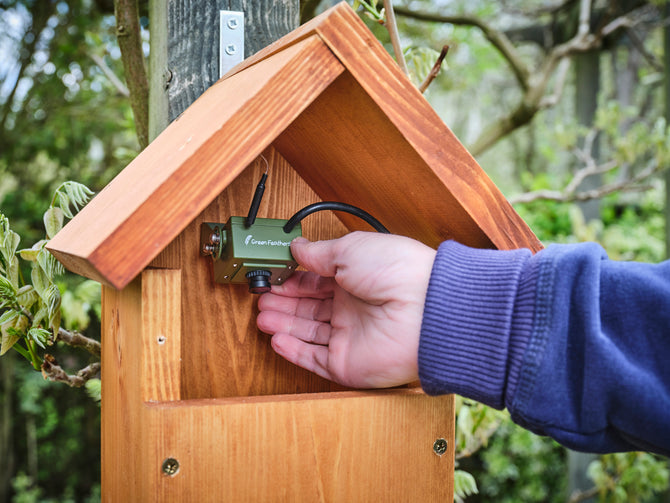
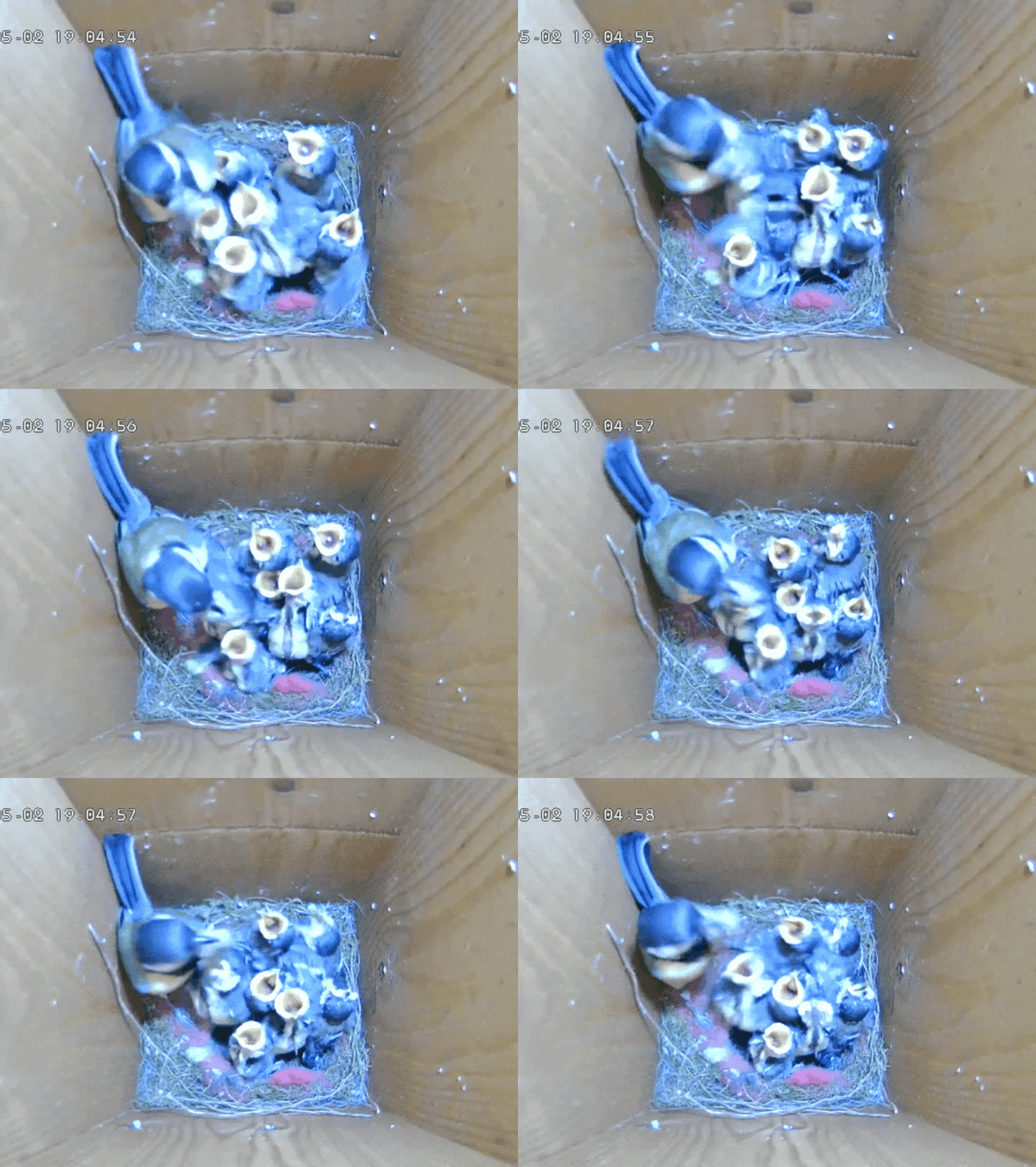
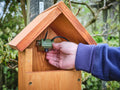
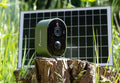
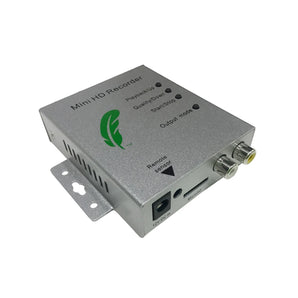
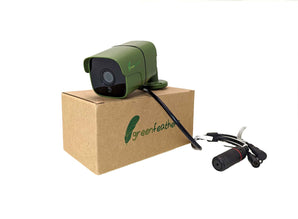
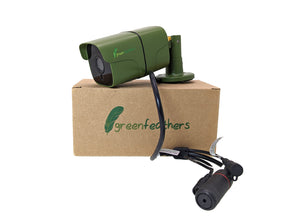
If you’re interested in keeping tabs on your prickly pals whilst they’re in their feeding station, without disturbing them, you can purchase hedgehog box cameras to place inside.
More ways to help hedgehogs in your garden
Feeding hedgehogs is just one way to help them survive in the wild. More ways to help to protect hedgehogs include:
Create a hedgehog-friendly garden
Whilst you can’t keep a hedgehog as a pet (generally speaking), one of the best ways to protect and attract hedgehogs to your garden is to make it not only wildlife-friendly, but specifically, hedgehog-friendly.
A hedgehog-friendly garden, along with food and water, also has:
-
Shelter, such as a hedgehog house, for sleeping hedgehogs – especially important during hedgehog hibernation season
-
Hedgehog highways, aka access routes, through your garden’s fences and hedges (typically 13 x 13 cm wide)
-
Natural environment, full of native plants and long grass – often known as rewilding
-
Nesting materials, such as leaves, straws and twigs
Encourage natural food sources with a bug hotel
As mentioned earlier, a hedgehog’s primary source of food is insects. But how do you get them into your garden? One of the best ways to not make your garden more wildlife-friendly and attract minibeasts, and to provide natural food for your prickly pals, is to make a bug hotel.
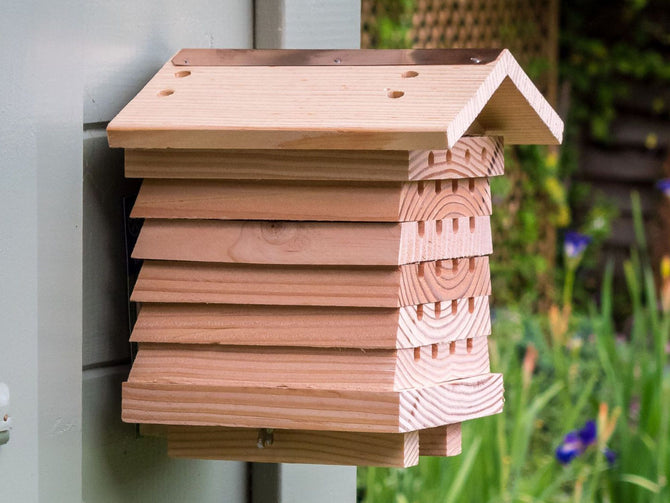
Bug hotels are incredibly easy to make at home with random bits and pieces from around the home and garden, and can be a fun activity to do with the kids. But if you don’t have the time to do so, you could also purchase a premade bug hotel, made with all natural resources.
Want to learn more about hedgehogs? We’ve got you! Find more resources on our blog, like our hedgehog facts & how to help them, or contact us today for expert advice on everything hedgehog.


Hi i buy dried and wet hedgehog food , Can i soak the dried hedgehog food in water to soften it as it seems hard like kibble ? And how much should I feed each night ? Any food. Over both the canned and dried i keep in the fridge , how long will it be ok to use once the can is open .
How do I know a hedgehog is eating the food I put out and not a cat
Realy interesting and very informative.
I realise now I have been over feeding my hedghogs.
Thank you
Realy interesting and very informative.
I realise now I have been over feeding my hedghogs.
Thank you