




As the cooler months creep in and gardens start to quieten down, many of us begin to wonder how our regular wildlife visitors cope with winter. One of the most loved (and instantly recognisable) garden guests is the hedgehog – a small, nocturnal mammal with a surprisingly clever way of surviving the cold.
So, when do hedgehogs hibernate, where do they go, and how can you make sure your garden is a safe place for them? With hedgehog numbers sadly in decline across the UK, understanding their winter habits is more important than ever.
In this guide, we’ll take you through everything you need to know about hedgehog hibernation – from when it starts and how long it lasts, to how you can support hedgehogs before, during and after their long winter nap.
What is hibernation?
Hibernation is a natural survival strategy that helps animals get through periods when food is scarce and temperatures are low. Rather than staying active and using lots of energy, hibernating animals slow everything down, including their heart rate, breathing and body temperature, to save energy. Since they’re not eating, animals live off their body fat, but sometimes they’ll wake up for a short time to eat or go to the bathroom before going back to sleep.
Do hedgehogs hibernate?
Yes, hedgehogs are one of the UK’s true hibernators. They rely on hibernation to survive winter, especially as their main food sources (like beetles, worms and other insects) become harder to find once the temperature drops.
Although it’s often described as a “deep sleep”, hibernation isn’t constant. Hedgehogs can briefly wake up during warmer spells, which is why it’s so important not to disturb them – waking up uses precious energy they may not be able to replace.

When do hedgehogs hibernate in the UK?
In the UK, hedgehogs usually begin hibernating from late November to December and wake up again between March and April.
That said, there isn’t a fixed calendar. The exact timing depends on the weather:
-
Milder winters may lead to shorter or interrupted hibernation
-
Colder, longer winters can mean hedgehogs stay asleep for longer
How long do hedgehogs hibernate for?
On average, hedgehogs hibernate for around 3 to 5 months. Climate change has made winters more unpredictable, which is why hedgehogs may wake up earlier than expected or move between nesting spots.
Where do hedgehogs hibernate?
Hedgehogs look for places that are dry, sheltered, insulated and well hidden from predators. Common hibernation spots include:
-
Leaf piles and log stacks
-
Compost heaps
-
Dense bushes and hedgerows
-
Old burrows made by other animals
-
Sheds and quiet outbuildings
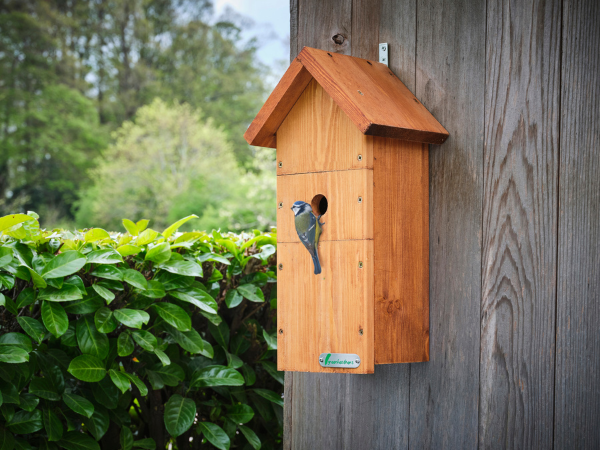
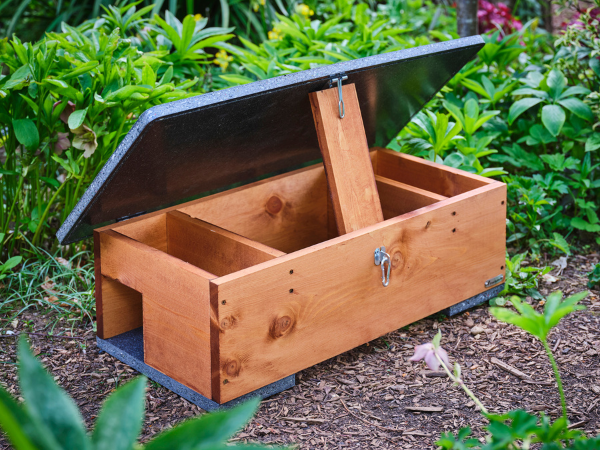
In wildlife-friendly gardens, hedgehogs often choose hedgehog houses, which provide a safe, insulated alternative to natural nesting sites.
How to tell if a hedgehog is hibernating
If you come across a hedgehog during winter, it can be hard to tell whether it’s asleep or unwell. A hibernating hedgehog will usually:
-
Be tightly curled into a ball
-
Feel cold to the touch
-
Breathe very slowly (sometimes almost unnoticeably)
-
Remain completely still and unresponsive
If you believe a hedgehog is hibernating, it’s best to leave it alone. However, if it’s in danger (for example, exposed to flooding or building work), contact a wildlife rescue organisation for advice.

How to set up a hedgehog house for hibernation
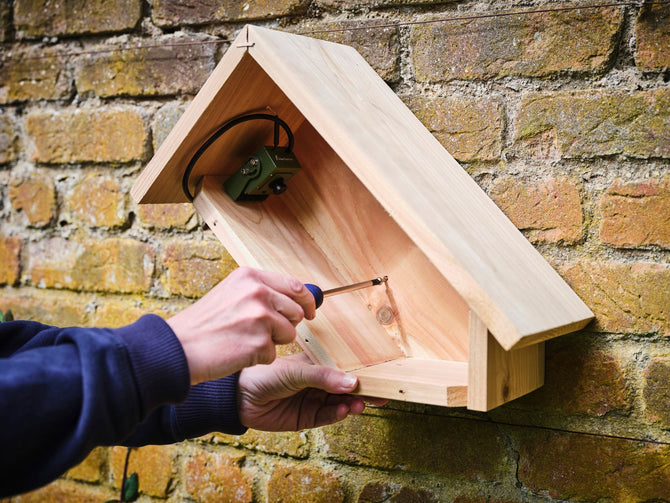
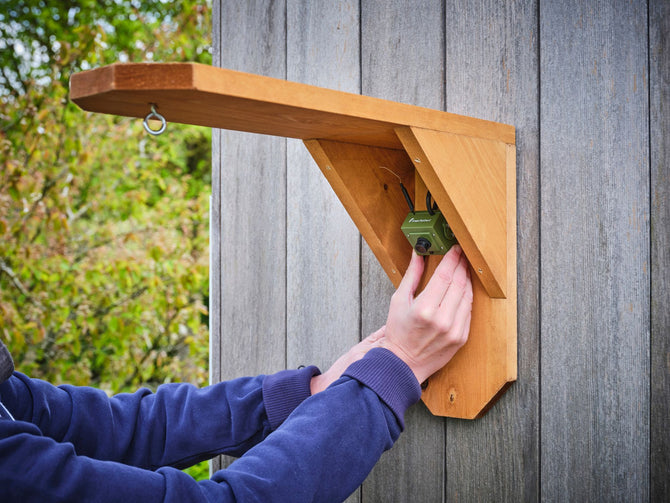
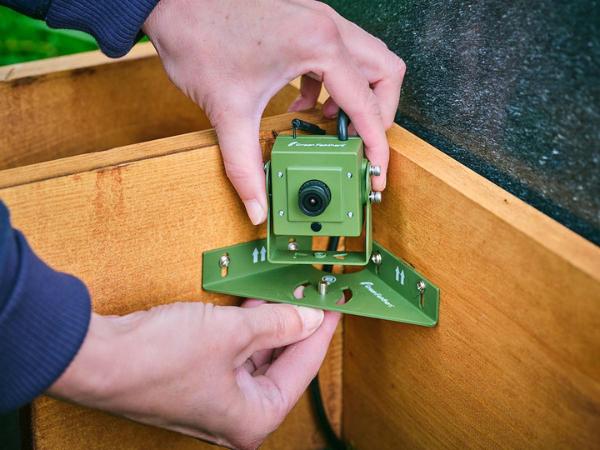
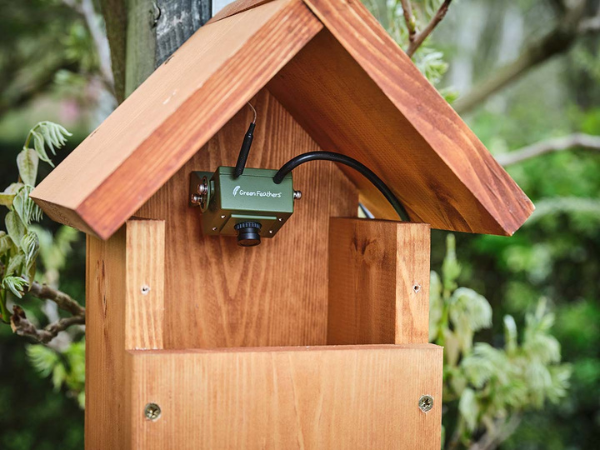
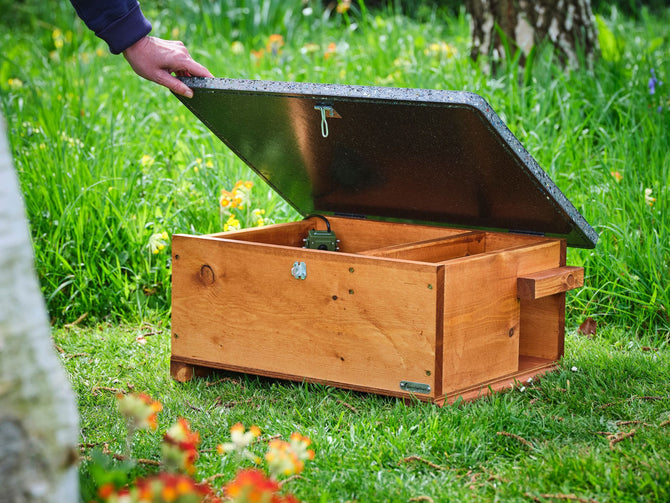
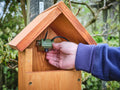
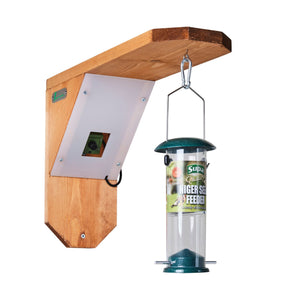
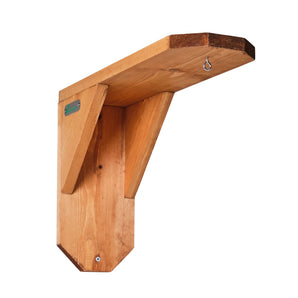
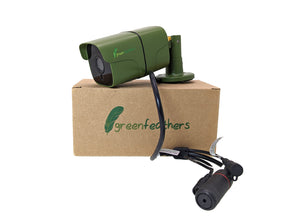
Providing a hedgehog house is one of the best ways to support hedgehogs through winter. There are many types to choose from, from hedgehog houses with cameras to luxury, antibacterial hedgehog houses.
When to put out a hedgehog house
Aim to place your hedgehog house in the garden by October, so hedgehogs have time to discover it and get comfortable before hibernation begins.
Where to put it
Choose a quiet, sheltered spot:
-
Out of direct sunlight
-
Protected from wind and heavy rain
-
Tucked under shrubs or against a wall
What to put inside
You can help by adding a small amount of:
-
Dry leaves
-
Straw or hay
Avoid plastic, fabric or treated materials, as these can trap moisture or be harmful if chewed. If you’re a little stuck on where to begin, a hedgehog care starter pack is the way to go!
Caring for a hibernating hedgehog in your garden
Caring for a hedgehog in your garden, especially one that is hibernating, involves ensuring that the hedgehog has a safe, undisturbed and well-prepared environment.
Before hibernation
-
Provide hedgehog food in autumn to help build fat reserves
-
Make fresh water available
-
Avoid slug pellets and pesticides
Explore our guide to what foods hedgehogs eat, including small pieces of low-fat meat, like cooked chicken breast or turkey, or high-quality wet cat and dog food.
During hibernation
-
Leave the hedgehog undisturbed
-
Don’t open the hedgehog house
-
Monitor discreetly if you’re using a wildlife camera
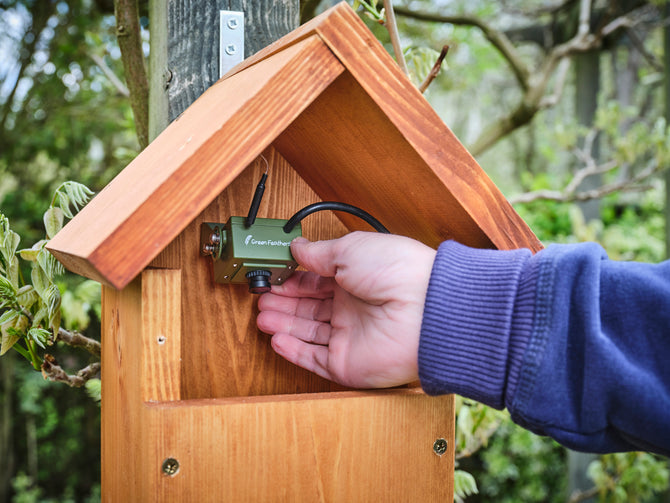
You can keep an eye on your prickly pal to ensure their home remains dry and secure by installing a hedgehog house camera, but avoid opening the house or handling the hedgehog.
After hibernation
As the weather warms up in March or April, check on your cameras to see if the hedgehog has left the house. If it has:
-
Clean and refresh the hedgehog house once vacated
-
Put food and water nearby to help hedgehogs regain strength
Hedgehog houses are often used all year round, as hedgehogs sleep during the day even when they’re active.
Frequently asked questions about hedgehog hibernation
Should you feed a hibernating hedgehog?
No. Feeding a hedgehog during hibernation can wake it unnecessarily, causing it to burn vital energy and potentially suffer digestive problems.
What if I disturb a hibernating hedgehog?
Leave the area calmly and make sure the nesting spot is still safe. If the hedgehog appears injured or fails to settle again, contact a wildlife rescue organisation.
Do hedgehogs return to the same garden?
Yes. If your garden provides food, shelter and safety, hedgehogs are very likely to return year after year.
Want to learn more about hedgehogs?
Find more resources on our blog, like our hedgehog facts & how to help them, or contact us today for expert info on everything hedgehog!










Yesterday my dog noticed a bundle of spikes in the garden out in the open. Further inspection was a heavy full grown adult hedgehog. Had a bit of slime and blood on spikes but seemed fine. Took him to a bush in the other garden where my dog can’t enter and be more peaceful. To wake up this morning to him curled up at my front door snoring quite loudly. Currently in a box waiting for me and the kids to make his/hers hibernation box and find a safe space to relocate him away from the neighbourhood cats. Have checked for any others as I know this year a lot have had a second litter. Never seen one in hibernation but last year did save some babies in my garden as I’m guessing the mum had not returned and luckily a lady down the road had a special garden where she reintegrates poorly and young back into the wild.
I have an adult and 2 babies that keeps coming to my garden, 1 feed them cat food and hedgehog food. I have ordered a hedgehog house and I was wondering will they all hibernate in the same place
I was preparing my wood store ready for some new logs, when I noticed a collection of leaves under the base. Closer inspection revealed a prickly looking ‘coat’ amongst them. Observing for a while, I noticed some gentle breathing going on. 😀
As it is early August, I assume it is just spending its nights there. Hopefully, it’ll chose to hibernate there too. It’ll be interesting to keep an eye on things – discreetly, of course.
I have had a hedgehog comming to my garden every night for hedgehog food and water for weeks now 2 are here one going backwards away from the other but it’s lovely to watch them I bought a house and bowel s i feel so lucky to have them come every night
I have just discovered today that a hedgehog has been hibernating this Winter in my garden, and I never knew he was there. He has left his nest now but the construction was dome-shaped and constructed of dried grass, moss, small twigs and old dry leaves. As he may return late this year , I think I will buy a hedgehog house and I may even be lucky enough to catch a glimpse of him.