



Birdwatching has it all when it comes to picking up a hobby to partake in during your free time. It’s relaxing, it has excitement, and it lets you take the time to really take in the beauty of nature. There are so many wonderful birds out there to observe, but some are a lot less common than others, and you may find yourself having to go the extra mile to get a sighting of a bird that you’re interested in. Every animal has their own preferred environment, so it’s up to you to figure out where you should be chasing them up to get a glimpse of them. Let’s get into the top 10 rarest birds in the UK.
10. Willow Tit

Latin name: Poecile montanus
The Willow Tit is small, round and full of charm. It has soft brown feathers, a crisp black cap and a tiny call that helps you tell it apart from the Marsh Tit. This species depends on older woodland, where rotting trees provide exactly the right texture for nest holes. They actually dig their own chambers before lining them with fur or feathers. Most pairs live in central England and Wales, with a few scattered through southern Scotland. Only around 3,000 pairs remain, so spotting one really does feel special.
9. Hen Harrier

Latin name: Circus cyaneus
The Hen Harrier is a beautiful bird of prey that glides low over moorland with incredible ease. Males are pale grey while females show warm brown feathers and a clean white rump patch. Their long wings help them quarter the land silently in search of small mammals. Since they nest on the ground, they need quiet uplands with minimal disturbance. Habitat loss has hit them hard, and the UK now holds roughly 650 pairs, so your best chance of seeing one usually comes from peaceful high moors.
8. Nightingale
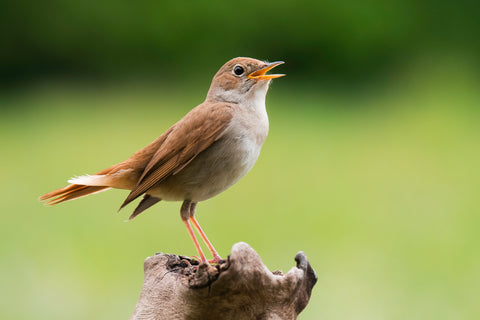
The Nightingale is famous for its rich, powerful song. The bird itself is surprisingly plain with warm brown tones and a pale underside. Most arrive in April and head off again by September. They hide deep in thick scrub, which gives them cover while they sing. Only a few thousand singing males remain in the UK, mainly in the south east. Birdwatchers often hear them long before they see them, especially at dawn or dusk when the song reaches its peak.
7. Capercaillie

Latin name: Tetrao urogallus, International name: Western capercaillie
The Capercaillie is one of the largest birds to live in UK woodlands. Males can reach the size of a small turkey, with dark feathers that shimmer green and blue in the right light. Females are smaller with softer brown markings. They favour ancient pine forests where they can nibble on berries, shoots and insects. In spring, males perform dramatic courtship displays on the forest floor, complete with loud, clacking calls. Their numbers have dropped sharply, and now fewer than 500 pairs remain in Scotland, so the eastern Highlands offer your best chance of a sighting.
6. Chough

Latin name: Pyrrhocorax pyrrhocorax, International name: Red-billed chough
The Chough is bold, noisy and instantly recognisable thanks to its glossy feathers and bright red bill. It’s a confident flyer that loves swooping in fast, acrobatic loops. Choughs need short coastal grassland and rocky cliffs, which provide insects and comfortable shelter for nesting. They stay loyal to the same cliffs year-after-year and often forage in close-knit family groups. Around 400 pairs remain in the UK, mainly in Cornwall, the Isle of Man and parts of south Wales.
5. Ruff

Latin name: Philomachus pugnax
The Ruff is a unique bird and unlike any bird you would have seen before. During the breeding season, males grow extravagant ruffs that form colourful collars around their necks. Every bird shows a unique pattern, which makes them incredibly striking. Females are smaller and more subtly coloured. Ruffs pass through the UK mainly as migrants, stopping at wetlands and marshes. Around 400 birds appear each year, mostly along the south and east coasts during spring and autumn.
4. White-Tailed Eagle

Latin name: Haliaeetus albicilla
The White-Tailed Eagle is Britain’s largest bird of prey. It’s an impressive bird, with broad wings, a bright yellow bill and a crisp white tail. These birds need huge territories close to the coast where they can fish, hunt seabirds and scavenge. Most pairs breed in western Scotland, where islands and cliffs give them safe nesting sites. After disappearing from Britain in the early 1900s, the species is now recovering, and around 150 pairs breed successfully.
3. Red-Backed Shrike
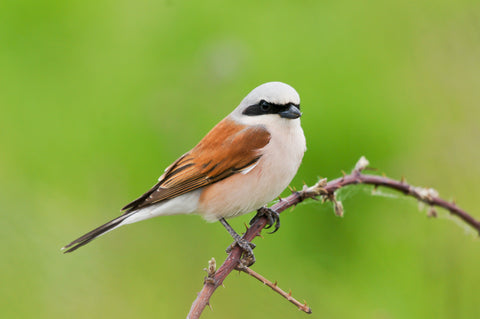
Latin name: Lanius collurio
Small but fierce, the Red-Backed Shrike behaves like a tiny predator. Males show a rich red back and a bold black mask while females appear softer and more muted. Shrikes like to perch high and scan for insects, small birds and even lizards. Habitat loss has caused a sharp decline, and only around 100 reach the UK now. Summer sightings usually come from the south or east, though the species breeds widely across Europe.
2. Honey Buzzard

Latin name: Pernis apivorus, International name: European honey-buzzard
The Honey Buzzard is slim and elegant with long wings and a small head. Its diet is surprisingly unusual as it feeds mainly on larvae from wasp and bee nests; strong feet help it dig into the ground to reach them. The bird shows warm brown tones above and light feathers below, with bright yellow eyes that stand out. Only about 40 pairs visit Britain in summer, and they settle in well-wooded areas in the south and rise on warm thermals on sunny days, which helps you spot them from afar.
1. Red-Necked Grebe

Latin name: Podiceps grisegena
The Red-Necked Grebe is a striking water bird with a rich chestnut neck and a sleek, pointed bill. It usually breeds in Europe on calm lakes and sheltered ponds, although a small number visit the UK during winter. Most appear along the east coast, staying far out on open water. Due to their rarity, it’s not going to be easy to catch one out in the wild. There are only 20-30 pairs and they’re most commonly seen off the East coasts of the UK.
Common UK Birds
All 10 on this list are without a doubt going to be difficult to spot, so you may be more interested in learning about the UK's more common birds. See the below blogs for more information about some of the most common birds in the UK:
UK Bird Populations
According to the British Ornithologists’ Union, as of 31st December 2024, the official list of birds recorded in Britain includes 640 different species, and it is estimated that there are around 168 millions breeding birds in the UK.
Despite overall bird populations having decreased by at least 15% since the 1970s, it's still a huge number of birds, making our top 10 rarest birds seem even rarer.
Our Recommendations
If you're already a keen bird watcher, or are considering getting more into it, then we can offer you the best tools for the job!
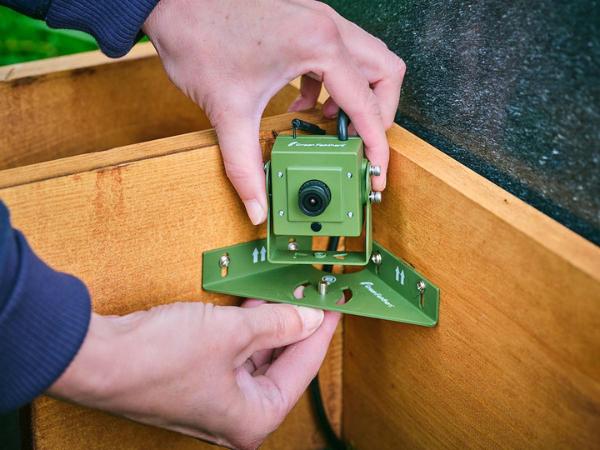
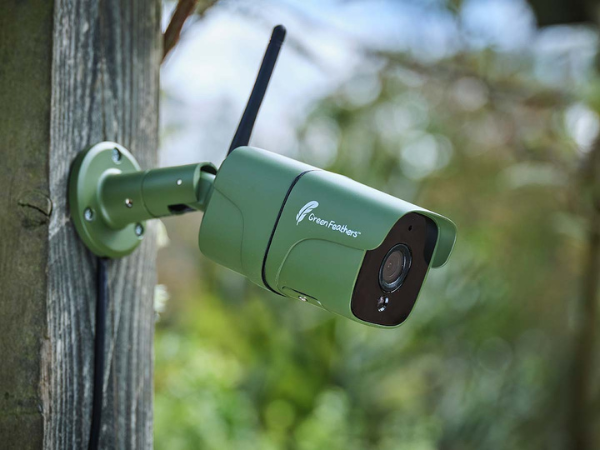
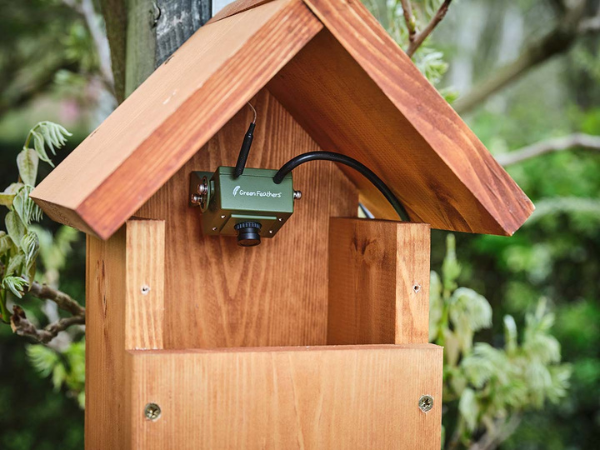
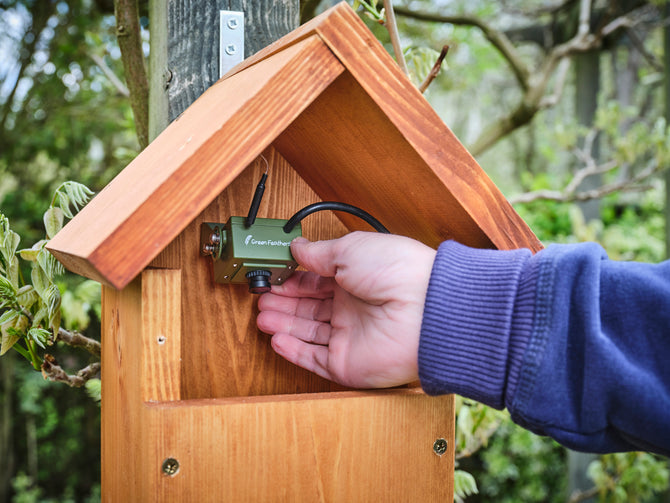
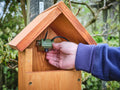
- Bird Box Cameras - Our bird box cameras are incredible value for money, they offer you a chance to see behind the scenes footage of what happens in the bird box, allowing you and the family to watch the magic of your garden on your phone, tv or computer.
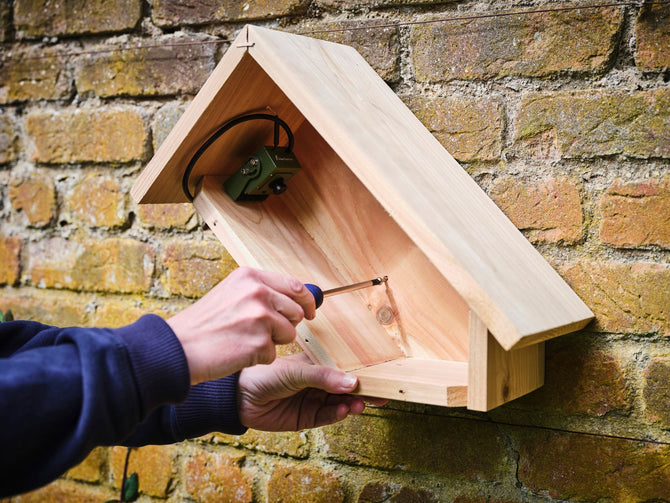
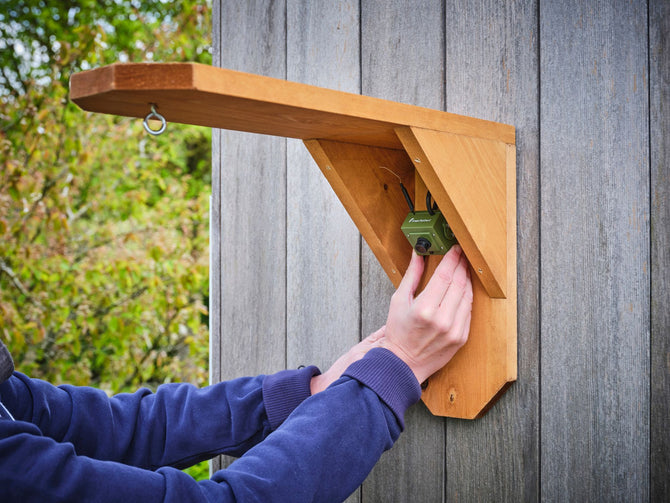
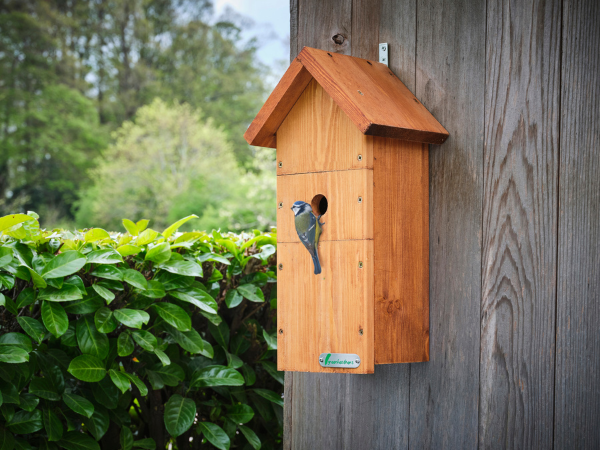
- Bird Box - Our Side View Handmade Bird Box is an eco-friendly option for housing birds in your garden. Due to the angle of the box, you're able to place your bird box camera in the optimum spot for the best view of the bird box interior.
-
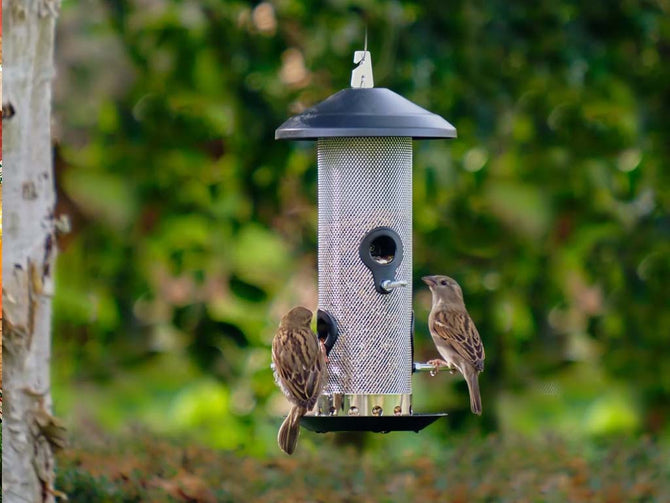
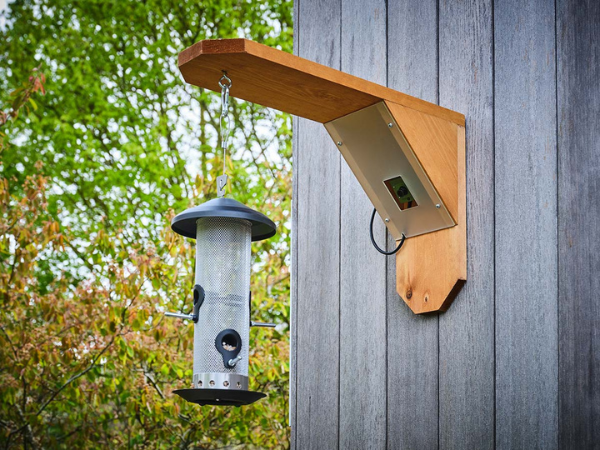
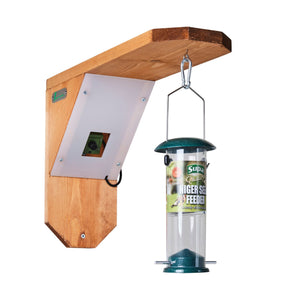
Bird food and accessories - A well-stocked bird feeder with sunflower hearts or mixed seed attracts a wide array of species. Hopper feeders, seed mixes and fat balls draw finches, tits and robins. Suet and peanut blocks help insect eaters during colder months. Clean water in a bird bath keeps birds healthy all year.








please can you tell me if a pied jackdaw is rare in the UK as I have one as a regular visitor in my garden
Thank you for all that information. I am hoping to use it when I print some of those birds in my screen printing and etching classes. I feel it will make an interesting accompaniment to the hand made prints.
Not likely to see the Lesser Spotted Woodpecker