

With warmer weather bringing flourishing plant life and an apparent abundance of natural food, it’s easy to assume that birds no longer need human support in summer. So, as the seasons change, many people wonder whether they should adjust how they care for garden birds. A common question is: should you stop feeding birds in summer?
The simple answer is no. Keeping your bird feeders topped up during the warmer months can still be beneficial, but there are some important things to keep in mind. It’s important to offer the right kinds of foods and practice good hygiene around feeding stations. Read on to learn more.
Why birds still need food in summer
Although natural food sources are more abundant in summer, garden birds can still benefit from supplementary feeding.
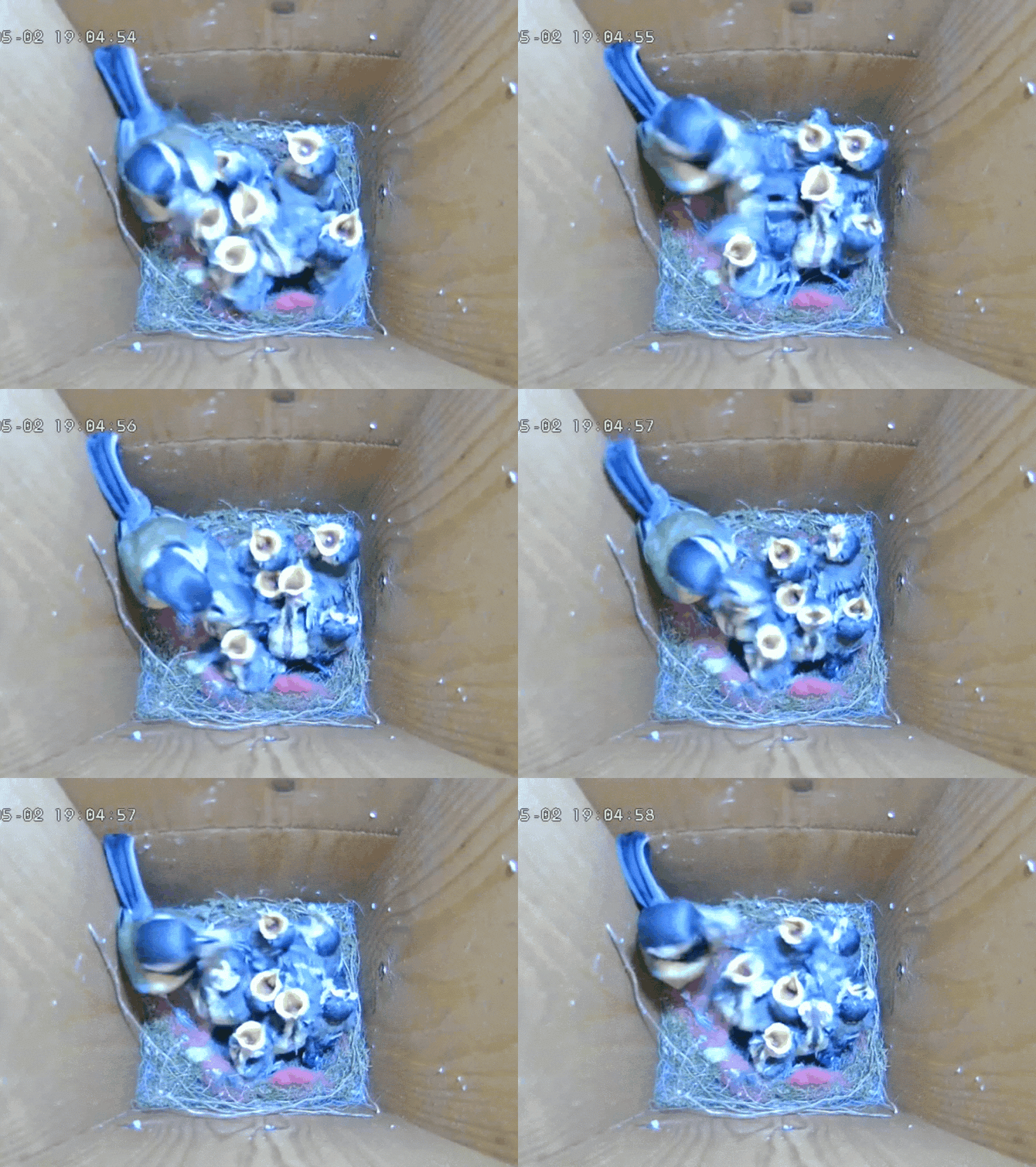
During this time, adult birds are busy feeding hungry chicks – often making hundreds of foraging trips each day – which places immense pressure on their time and energy. Energy demands are also high due to longer daylight hours. Birds are more active, which means they have higher nutritional needs.
In addition, unpredictable weather conditions can still affect the availability of foods such as insects, seeds, and worms. Providing food in summer can support birds during one of the busiest periods of their lifecycle, helping adults stay healthy and giving young birds the best possible start.
Should you stop feeding birds in the summer months?
Feeding birds in summer can be beneficial, but it’s important to do so responsibly. In warmer weather, food can spoil more quickly, which means bacteria can spread more easily. Poor hygiene at bird feeding stations in summer can contribute to the spread of diseases such as trichomonosis.
You can still feed garden birds in summer. However, it’s important to adapt your feeding routine to allow birds to benefit from your support while reducing the likelihood of spoilage and contamination. This means offering the right kinds of foods, as well as following good hygiene practices.
What to feed birds in summer
Birds always benefit from being offered foods that help support their seasonal needs. In summer, many adult birds are raising young and require nutrient-rich, easily digestible options that provide energy and protein. Suitable options include:

-
Sunflower hearts – High in energy and easy to eat, with minimal waste
-
Suet – Best offered in moderation and placed in shaded areas to prevent melting
-
Mealworms – An excellent source of protein, especially for insect-eating birds and growing chicks
-
Peanuts – A nutritious option when offered safely in a rigid mesh feeder to prevent choking hazards for young birds
-
High-quality seed mixes without fillers
Ensure everything you provide is fresh and safe for birds to eat. Avoid foods that are prone to spoiling quickly, such as kitchen scraps, bread, or soft fats that can melt and turn rancid in the heat.
Tips for feeding birds safely in summer
To keep birds safe and healthy during warmer months, following good hygiene practices is vital. These simple steps can help prevent the spread of disease when feeding birds in summer:
-
Place your bird feeders in a shaded area, away from direct sunlight. Warmer temperatures can cause foods to spoil quicker.
-
Avoid overfilling your bird feeders. Top them up little and often, providing enough food for 1-2 days at a time.
-
Remove uneaten food promptly, and keep the area surrounding your bird feeder clear and free from debris.
-
Clean all bird feeders thoroughly at least once a week using warm water and a mild disinfectant.
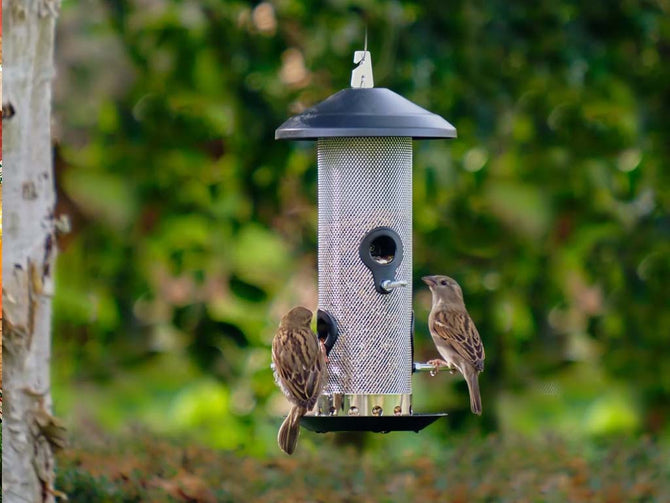
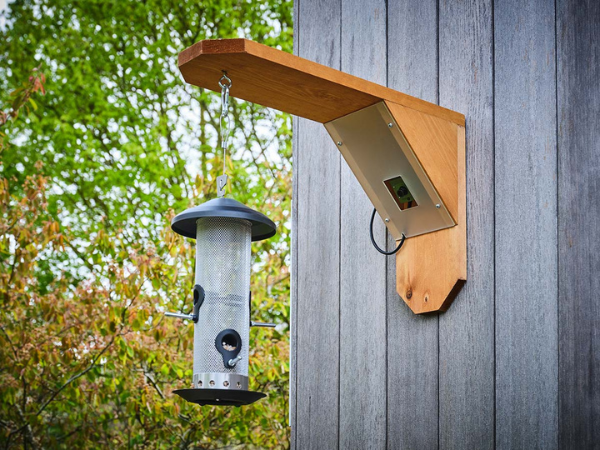
Ideally, use a hanging bird feeder rather than a flat feeder or bird table. It’s also good practice to move feeders around your garden regularly to avoid waste accumulating in one spot.
The importance of fresh water
In summer, water becomes just as important as food. Birds need it for drinking and bathing, especially during hot or dry spells. Providing a shallow, clean water source, such as a bird bath, can make your garden more attractive to birds and support their overall health.

As with bird feeders, it’s important to practice good hygiene around water sources in the summer months. Provide clean, fresh tap water, changing it every day, and thoroughly clean your bird bath at least once a week.
Supporting birds all year round with Green Feathers
Feeding birds isn’t just a winter activity, it can play an important role throughout the year. By continuing to provide food and water in summer, you help support breeding birds and their young during a critical time. Over time, birds will come to rely on your garden as a safe and consistent food source.
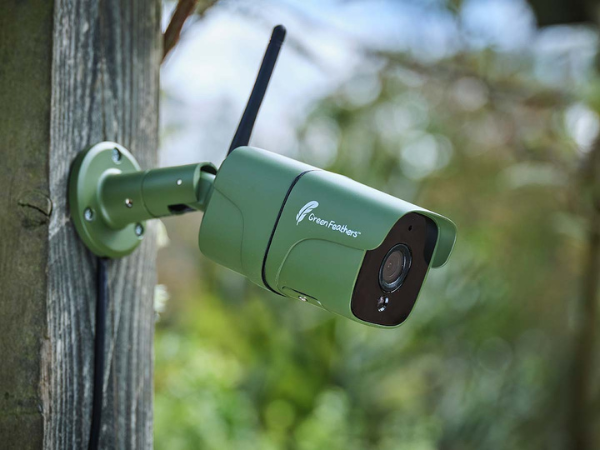
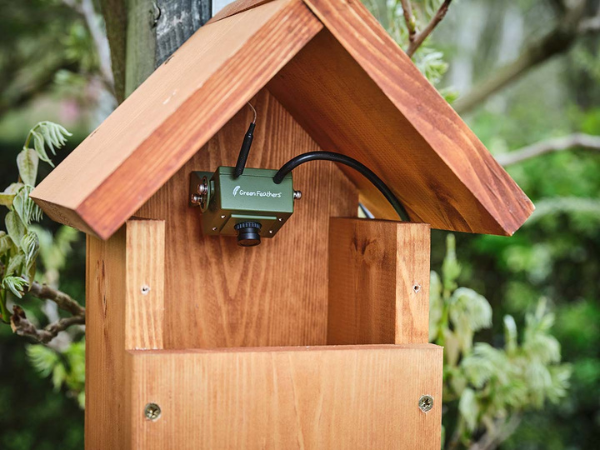
At Green Feathers, we’re passionate about helping you connect with nature through high-quality bird box cameras and wildlife cameras, designed for UK gardens. Understanding whether you should stop feeding birds in summer helps you make informed choices that support local wildlife, so you can enjoy a thriving, active garden all year round.