




Seeing hedgehogs in the winter almost always causes alarm. They’re supposed to be hibernating, so when one appears on a cold evening – or worse, in daylight – you might think something has gone badly wrong. Sometimes it has. Sometimes it hasn’t.
The difficulty is knowing which situation you’re looking at. Hedgehogs don’t follow a neat calendar, and winter behaviour can drift quickly from normal to dangerous. Understanding that line is the key to helping rather than harming.
Do hedgehogs come out in winter?
Yes, they do, but not in the way many people imagine.
Hibernation is not a single, uninterrupted sleep lasting all winter. Hedgehogs enter a state of deep torpor. Their breathing and heart rate slow to conserve energy, but they may wake several times before spring. These brief awakenings allow them to drink, shift position, or respond to changes in temperature.

Milder winter spells, which are becoming more common, can trigger activity. A hedgehog may come out at night, move about, and then return to its nest once conditions cool again. In these cases, a single sighting does not automatically mean distress.
What you should look for is a pattern and the context, not just being active once or twice.
When an awake hedgehog is a cause for concern
Some winter sightings should raise concern. A hedgehog that is out during the day, moving sluggishly, shivering, or lying exposed rather than moving with intent is unlikely to be coping well. The same is true for hedgehogs seen repeatedly during periods of frost or snow.

Size and weight are also important indicators. To survive hibernation, a hedgehog generally needs to weigh around 600 grams or more going into winter. Any hedgehogs weighing less than this might wake frequently to search for food, burning energy faster than they can replace it. Each forced awakening makes survival less likely.
If a hedgehog appears noticeably small, weak, or disoriented, it should be treated as vulnerable rather than “just active”.
What to do if you find a hedgehog awake in winter
The instinct to get involved immediately is understandable, but the first step is to watch rather than jump into action. Seeing hedgehogs in the winter doesn’t automatically mean rescue is needed, and unnecessary handling can make things worse.
If the hedgehog is active at night and temperatures are relatively mild, the safest response is to offer support. That means putting out fresh water and suitable food to allow the hedgehog to top up its energy reserves without further stress. Meaty hedgehog food or meat-based cat food are good options. Avoid milk and bread, as they can cause serious digestive problems and dehydration.
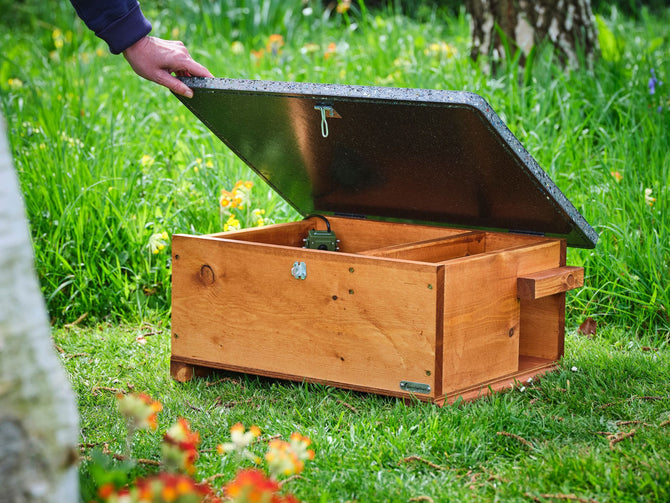
Shelter is equally important. A hedgehog that looks exposed will benefit from somewhere dry and insulated where it can retreat quickly. A purpose-made hedgehog house works well, but, if you don't have one, a simple box filled with dry leaves or straw can also provide short-term protection if you put it in a quiet, sheltered area.
Avoid handling unless the hedgehog is clearly injured or collapsing. Waking, moving, or repeatedly checking a hedgehog forces it to burn energy it cannot easily replace during winter. In many cases, leaving food, providing cover, and watching discreetly is the kindest option.
If the hedgehog is weak, out in daylight, or doesn't seem to improve after feeding, it’s time to contact a local wildlife rescue or experienced hedgehog carer. They'll be able to assess whether intervention is necessary and advise you on safe next steps.
How to help hedgehogs in winter beyond emergencies
Most losses of hedgehogs in the winter don’t happen because people don’t act. They happen because hedgehogs run out of options.
Consistent feeding during cold spells can make a big difference, especially for underweight hedgehogs that are unable to hibernate properly. You can help by having food available overnight, along with fresh water. This can reduce the need for risky daytime foraging.
Garden structure also plays a role. Leaf piles, log stacks, and undisturbed corners provide insulation that artificial shelters can’t always replicate. A slightly untidy garden is often a safer one.
If you know a hedgehog has built a nest somewhere, resist the urge to check on it. Even well-meaning disturbance can force a full awakening, costing the hedgehog precious energy at the worst possible time.
Connectivity between gardens is also important. Small gaps in fences allow hedgehogs to move between feeding areas without long, exposed journeys across open ground.
Common misunderstandings about hedgehogs in winter
A persistent myth is that any hedgehog seen awake in winter is dying. But short periods of activity can be normal, especially during mild spells. The danger comes when wakefulness is frequent, prolonged, or forced by hunger and cold rather than brief and purposeful.
Another common assumption is that feeding hedgehogs in winter does more harm than good. For animals that are underweight or struggling to hibernate properly, reliable food can be the difference between survival and starvation. The risk lies not in feeding, but in feeding the wrong things.
There is also a belief that bringing a hedgehog indoors is always the safest option. In fact, unnecessary captivity can disrupt natural behaviour and cause stress. Healthy hedgehogs often cope better outdoors with food, water, and shelter than they do when removed without need.
Watching hedgehogs without disturbing them
Curiosity is natural, particularly if you want to know whether a hedgehog is returning regularly or simply passing through. But what you want to do is to observe without interfering.
Approaching nests, lifting shelters, or checking on a hedgehog repeatedly can force it to wake fully, using up energy reserves.

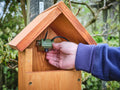
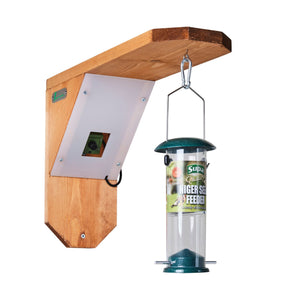
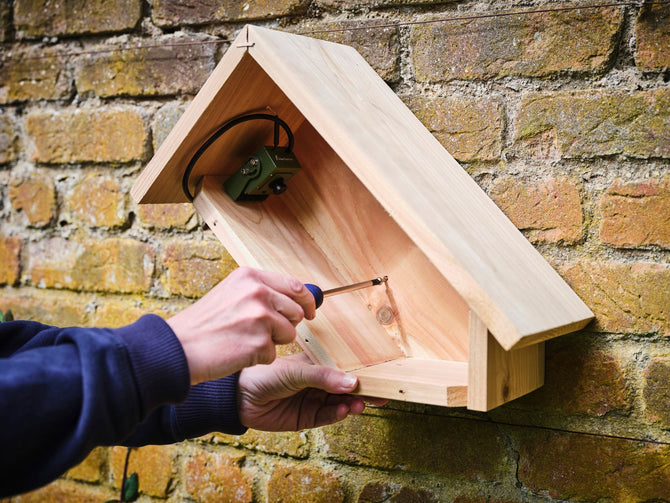
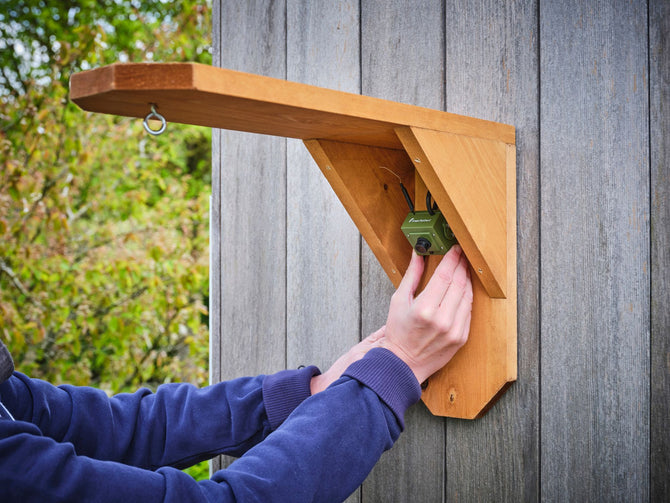
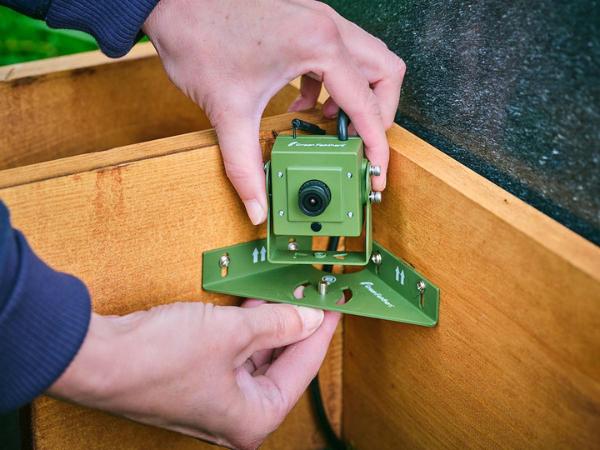
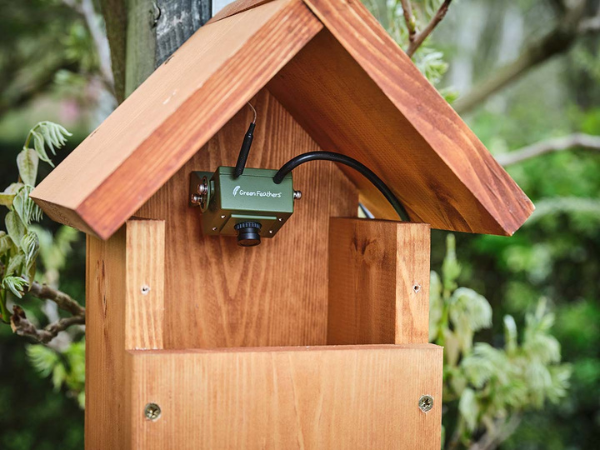
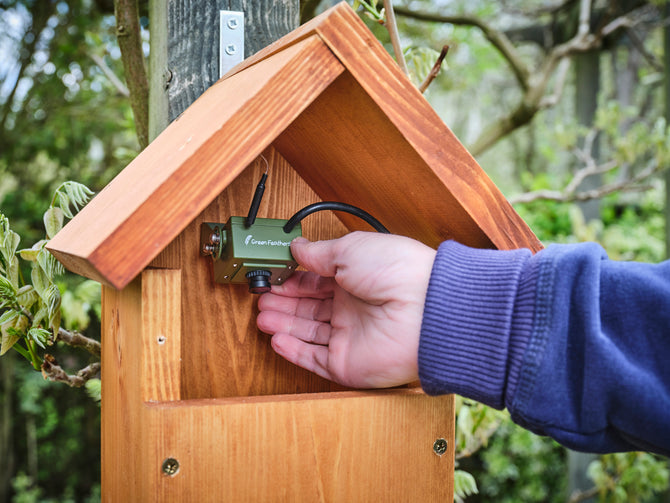
A low-impact way to understand what’s happening in your garden overnight is to install motion-activated wildlife cameras. If used correctly, they will allow you to monitor feeding visits and movement patterns without disturbing a hedgehog’s routine.
Frequently asked questions about hedgehogs in winter
Is it normal to see hedgehogs in winter?
Yes, occasional sightings can be normal. Hedgehogs don’t hibernate continuously and can wake during mild spells to drink or feed. Daytime activity, repeated sightings in freezing weather, or signs of weakness could, however, be signs the hedgehog may need help.
Should I bring a hedgehog indoors if I see one in winter?
Not automatically. Healthy hedgehogs often cope better outdoors with food, water, and shelter. Bringing one indoors without advice can disrupt natural behaviour. Only intervene directly if the hedgehog is weak, injured, and advised by a wildlife rescue.
What food should I give hedgehogs in winter?
Meat-based hedgehog food or cat food is suitable, along with fresh water. Avoid milk and bread, which can cause digestive problems and dehydration. Regular, consistent feeding during cold spells is more helpful than occasional large portions.
How long do hedgehogs hibernate for?
Hibernation usually lasts from November to March, but it isn’t continuous. Hedgehogs may wake several times depending on weather, body condition, and the availability of food. Frequent wake-ups in cold conditions increase the risk of starvation.