


Finding hedgehogs in your garden can be an exciting experience. Whether you've spotted a hedgehog on your lawn at night or found signs of a hedgehog in your garden in the morning, these small mammals are a vital part of the UK’s ecosystem. This is especially true in modern urban environments, where natural habitats continue to decline.
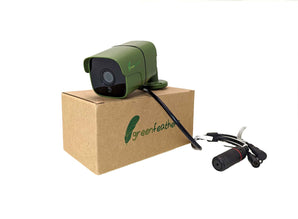
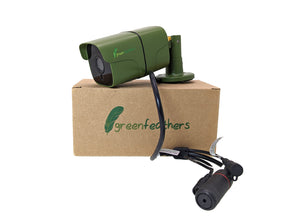
At Green Feathers, we’re passionate about helping people observe and support British wildlife responsibly using tools like a discreet wildlife camera. This guide explains what to do if you see a hedgehog in your garden, how to create a safe habitat, and when professional help from a wildlife rescue centre or wildlife hospital may be needed.
How to identify hedgehogs in your garden
Hedgehogs are unique and charming creatures that can be a delightful addition to any garden. These nocturnal animals have distinctive features that make them easy to spot.
Physical features
The native UK hedgehog (Erinaceus europaeus) typically:
-
Grows up to 30cm long
-
Has 5,000–7,000 brown and white spines
-
Features a pale belly and short tail
-
Rolls into a tight ball when threatened
-
Males may appear slightly larger, though gender differences are subtle

Signs of a hedgehog in your garden
Since hedgehogs are nocturnal, it can be challenging to spot them directly. However, several tell-tale signs indicate their presence in your garden. Look for:
-
Footprints in soft soil (five toes, hand-like shape)
-
Droppings (dark, 15–50mm, often containing insect fragments)
-
Disturbed leaf piles
-
Snuffling noises at night
-
Footage from a wildlife camera
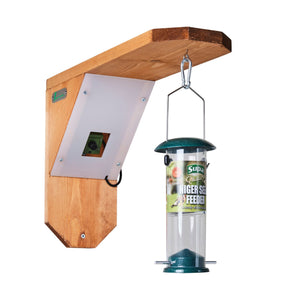
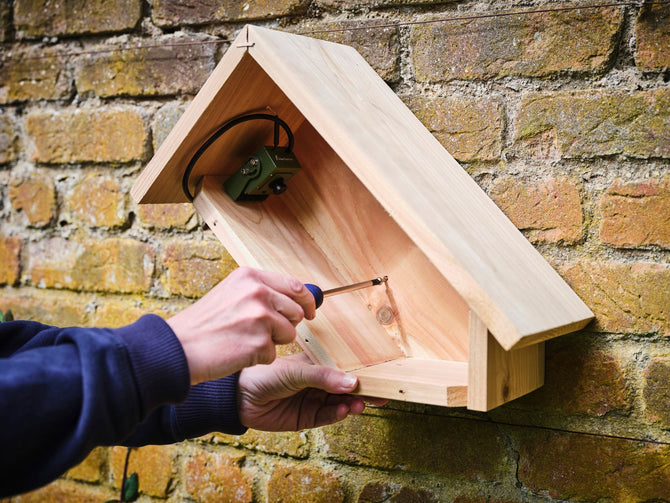
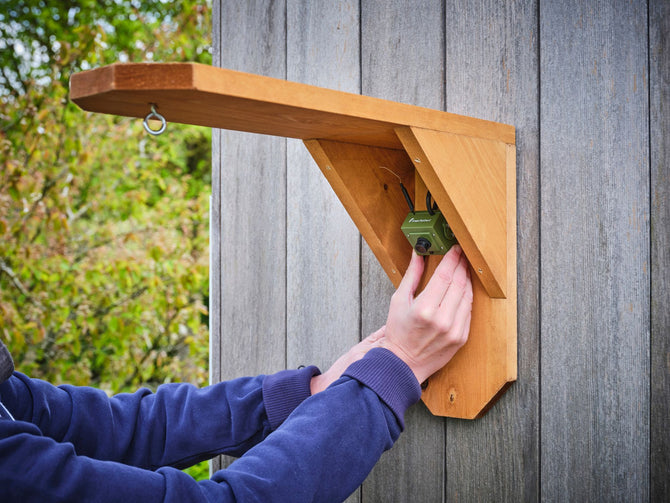
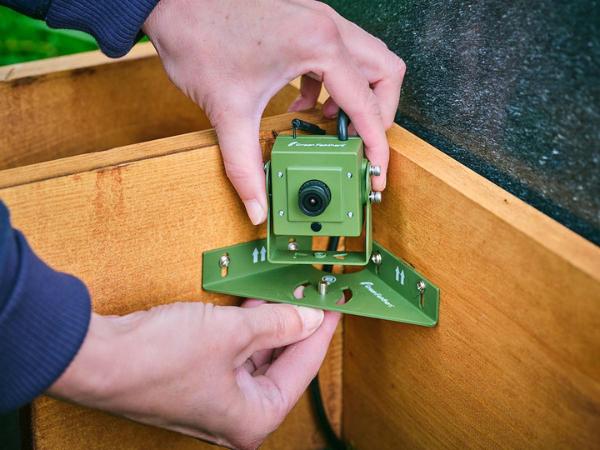
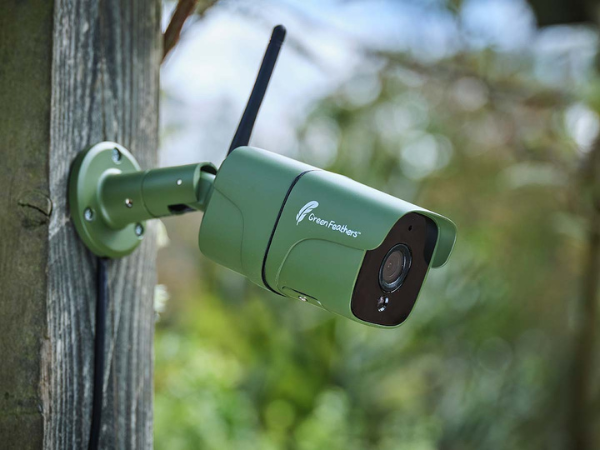
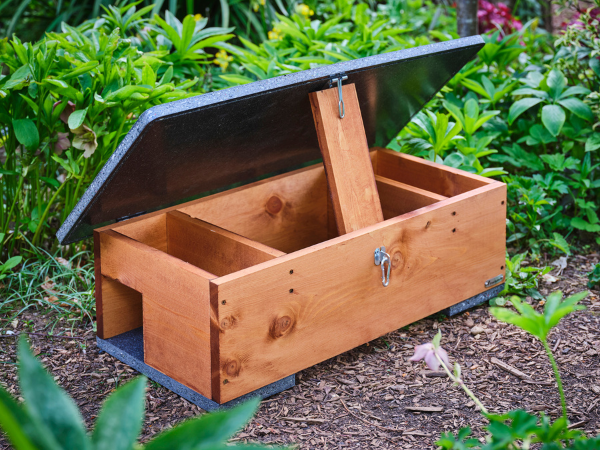
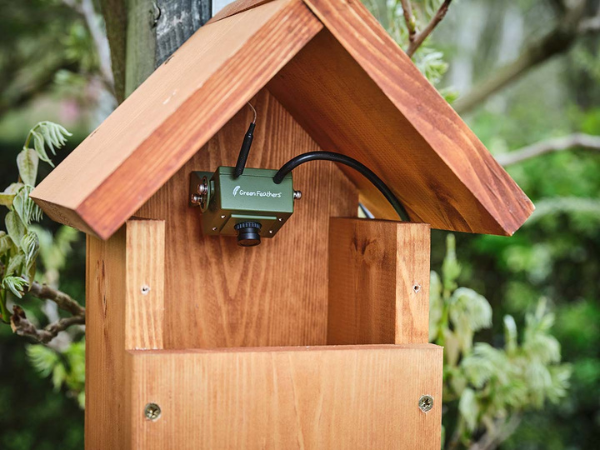
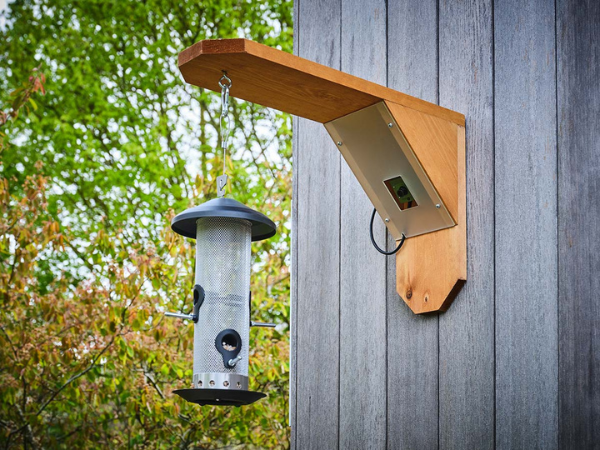
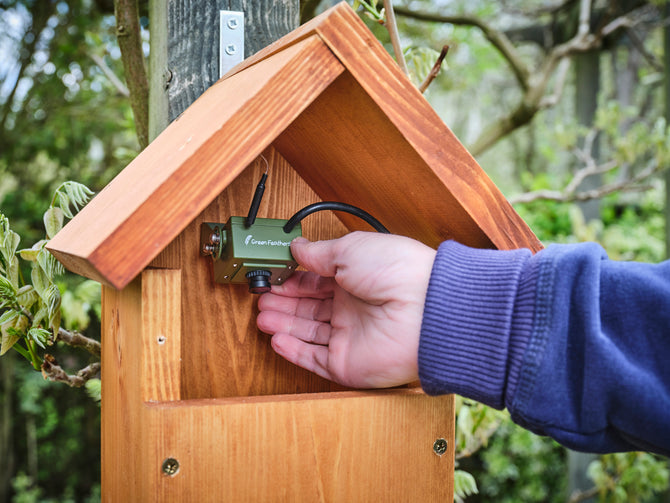
A hedgehog camera positioned near a feeding station or a dedicated hedgehog station is often the most reliable way to confirm hedgehogs in garden spaces without disturbing this shy wild animal.
How to help hedgehogs in your garden in autumn and winter
In the run up to autumn, hedgehogs prepare for winter hibernation. They need to reach around 600g in weight to survive the colder months. You can help by:
-
Keeping hedgehog feeders topped up
-
Leaving leaf piles undisturbed
-
Avoiding excessive garden “tidying”
-
Maintaining a hedgehog highway between gardens
Hedgehogs often build their hibernation nests near a compost heap, beneath decking or inside dense vegetation. Continue offering food and water, as some may wake during mild spells.
Get ready to help your spiky neighbour with a hedgehog care starter pack.
Is it normal to see a hedgehog in my garden during the day?
Occasional daytime sightings during mating season or when mothers are feeding young can be normal. However, there are some situations where help may be required:
-
Staggering
-
Lying exposed
-
Repeated daytime wandering
-
Being underweight in late autumn
Hedgehogs showing any of these signs could be unwell or injured and may need urgent help. Although they may look robust, a hedgehog is still a wild animal, and should always be treated with care and respect.

What to do if you find an injured hedgehog
If you discover a sick or injured hedgehog in your garden:
-
Wear gloves (hedgehogs can carry salmonella bacteria)
-
Place it in a ventilated box with newspaper
-
Provide warmth
-
Contact a wildlife rescue organisation, wildlife rescue centre or local hedgehog rescue
The British Hedgehog Preservation Society helpline can direct you to local wildlife rescue centres or trusted veterinary clinics experienced in wildlife care.
Do not attempt long-term care yourself. A hedgehog rescue or specialist wildlife hospital will have trained staff and access to appropriate treatment. If multiple hoglets are involved, seek professional hedgehog rescue advice immediately.
When transporting the hedgehog
-
Secure the box to prevent escape, as hedgehogs are skilled climbers.
-
Minimise handling to reduce stress.
-
If dealing with multiple hedgehogs from the same litter, they can be kept in the same box if it's spacious enough.

Frequently asked questions about hedgehogs in gardens
How can I ensure hedgehogs are safe in my garden?
To create a safe, hedgehog-friendly garden, make sure to:
-
Cover drains and deep holes
-
Add escape ramps to ponds
-
Check bonfires before lighting
-
Raise netting above ground
-
Avoid chemical insect repellents
Reducing risks from strimmer accidents and garden hazards protects this vulnerable wild animal population.
Can I keep the hedgehog as a pet?
While it’s technically legal to keep hedgehogs as pets, hedgehogs are a protected wild animal and should not be domesticated. They may also carry salmonella bacteria, making handling risky without proper hygiene.
Where should I place a hedgehog house in my garden?
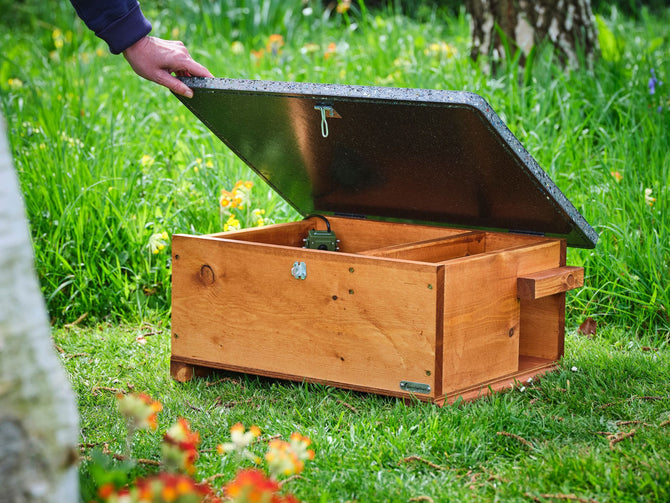
Position hedgehog houses in quiet, shaded spots, ideally near natural cover or behind a garden shed. Face entrances away from prevailing winds and avoid frequently moving them.
Want to learn more about hedgehogs? Find more resources on our blog, like our top hedgehog facts, or contact us today for expert info on everything hedgehog!