





If you’ve ever wondered “can you keep a hedgehog as a pet?”, you’re not alone. Interest in exotic mammals has grown in recent years, and many people are curious whether a pet hedgehog would make a unique addition to their home.
However, before deciding whether you can have a pet hedgehog, it’s important to understand the legal, ethical and welfare considerations involved. At Green Feathers, we advocate responsible wildlife stewardship. Hedgehogs play a vital role in local ecosystems, and there is a significant difference between supporting hedgehogs in your wildlife garden and keeping one as a domesticated exotic pet.
This guide explores:
-
Can you keep hedgehogs as pets in the UK?
-
The difference between wild and captive species
-
Welfare responsibilities under the Animal Welfare Act
-
Health risks and veterinary requirements
-
Ethical alternatives that support wild habitats instead
Can you keep a hedgehog as a pet in the UK?
The technicalities and legalities of keeping a hedgehog as a pet differ based on the different species of hedgehogs.
African Pygmy Hedgehog
In the UK, it is legal to keep African pygmy hedgehogs as pets. These animals are typically hybrids of Four-toed hedgehogs (Atelerix albiventris) and sometimes the Algerian hedgehog. They are often marketed as small, low-maintenance “pocket pets”. However, legality does not mean simplicity.
Under the Animal Welfare Act, owners must provide:
-
A suitable environment
-
An appropriate Hedgehog Diet
-
Opportunity to express natural behavior
-
Protection from pain, suffering and disease
This includes providing a large enclosure (not a small wire-grate cage), proper heating, enrichment and access to specialist veterinary care.
Many wildlife experts and animal welfare advocates question the ethics of the exotic animal trade, particularly as global demand contributes to breeding pressures, and the wider animal trade, which has been linked to emergent infectious diseases.
European Hedgehog (Western-European Hedgehog)
You cannot keep a European hedgehog (Erinaceus europaeus) as a pet in the UK, as they are protected wild animals. Removing one from its natural habitat is illegal and harmful to fragile populations already under pressure from habitat loss, road accidents, pesticide exposure and garden fragmentation.
If you find a sick or injured hedgehog, contact local hedgehog carers, a wildlife rescue centre or a registered wildlife hospital.
Are hedgehogs good pets?
Many people researching “can you keep hedgehogs as pets” are surprised to learn how complex their needs are. Although African pygmy hedgehogs are sold as manageable domesticated exotic pets, they remain instinctively wild animals with specialised care requirements. The health and safety considerations involved are intense.
Health and safety considerations
1. Salmonella and public health
Hedgehogs can carry salmonella bacteria, even when appearing healthy. The Centers for Disease Control and Prevention has linked pet hedgehogs to outbreaks in several countries.
This makes them unsuitable for:
-
Homes with young children
-
Immunocompromised individuals
-
Households unable to manage strict hygiene around animal waste
2. Common health problems
Pet hedgehogs are prone to:
-
Obesity
-
Dental disease (requiring dental exams)
-
Parasite infestations
-
Spine loss
-
Mites
-
Viral and fungal diseases
-
Rare but serious conditions such as Wobbly Hedgehog Syndrome
They also require monitoring for signs of stress and illness, particularly during temperature changes. Access to an exotic mammal vet or experienced small mammal veterinarians is essential. Routine annual exams, primary care and potentially emergency care may be required. Specialist facilities such as the UF Small Animal Hospital in the US highlight how niche hedgehog vet care can be, and similar expertise is extremely limited in the UK. Plus, standard vet insurance policies often exclude exotic pets, making treatment costly.
3. Housing and care requirements
Proper hedgehog care is one of the biggest challenges when asking “can you have a pet hedgehog”. A suitable enclosure should include:
-
Solid flooring (never wire mesh or a wire-grate cage)
-
Deep soft bedding
-
A temperature-controlled environment
-
A large running exercise wheel
-
Hiding areas
-
A secure water source (ideally a heavy bowl rather than a hanging water bottle)
A simple cage in the corner of a room is not adequate. Professional breeders may provide a husbandry consultation, but long-term responsibility rests with the owner. Regular nail trims are required, and environmental enrichment must encourage foraging to replicate natural behaviour.
4. Diet
A proper optimal diet for a pet hedgehog includes:
-
High-quality hedgehog-specific kibble
-
Meaty hedgehog food
-
Occasional live or freeze-dried mealworms
-
Limited high-protein supplements
Contrary to popular belief, cat biscuits alone are not sufficient long-term. Poor nutrition can contribute to obesity, dental disease and wider health problems.
5. Behaviour and lifestyle challenges
Hedgehogs are:
-
Strictly nocturnal
-
Solitary
-
Easily stressed
-
Sensitive to environmental changes
They are not naturally cuddly animals. While some individual hedgehogs may tolerate handling, others remain defensive. Their nighttime activity includes noisy snuffling and movement in an exercise wheel, which can understandably be disruptive. Despite being marketed alongside hamsters or dwarf hamsters in the small pet trade, their needs and behaviour are entirely unique.
6. Ethical considerations
The global trade in domesticated exotic pets raises concerns around:
-
Breeding standards
-
Transport stress
-
Disease transmission
-
Pressure on wild populations
Campaigns like Hedgehog Street focus on protecting wild hedgehogs in Britain and specifically discouraging pet ownership. Many conservationists argue that supporting wild habitats, reducing pesticide use such as slug pellets, and improving garden spaces benefits hedgehogs far more than purchasing one from animal breeders.
A better alternative: Support hedgehogs in the wild
If you love hedgehogs, there is a far more impactful way to help. Instead of keeping a pet hedgehog, consider creating a hedgehog-friendly garden. This approach supports:
-
Native European hedgehog populations
-
Healthy local ecosystems
-
Biodiversity in urban environments
Create hedgehog-friendly garden spaces
-
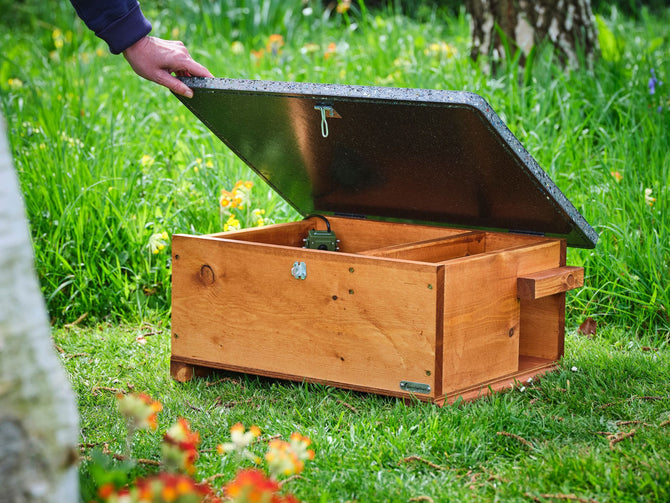
Install safe hedgehog homes or a purpose-built hedgehog habitat
-
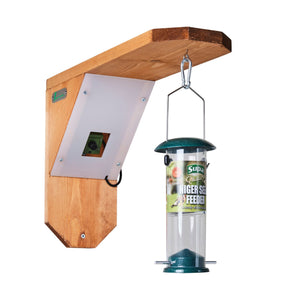
Add sheltered feeding stations
-
Maintain a compost heap
-
Provide access between gardens via a hedgehog highway
-
Plant native plants to strengthen food sources
-
Avoid pesticides and harmful pest control
-
Log sightings with local conservation groups
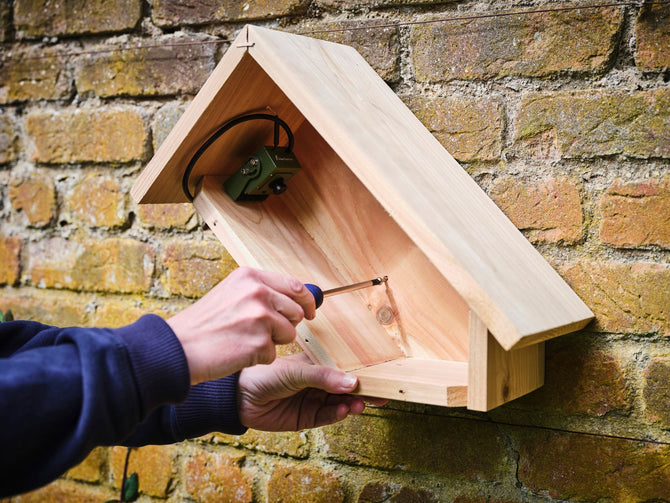
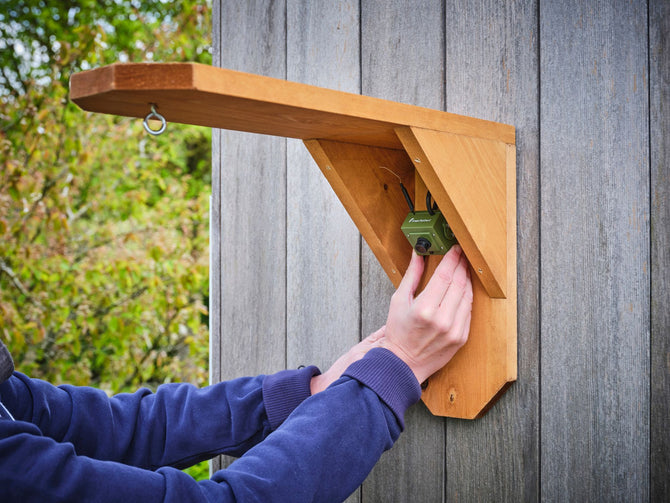
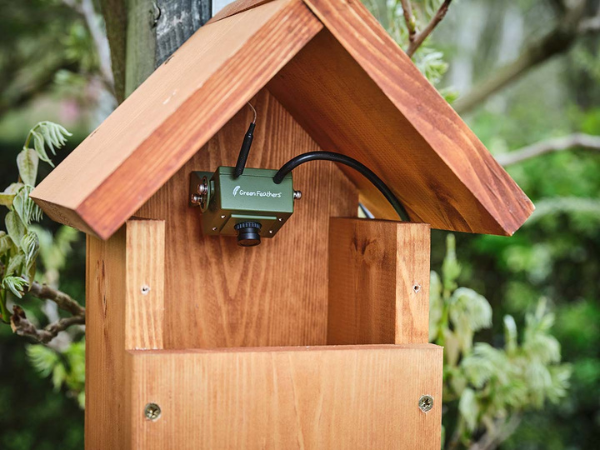
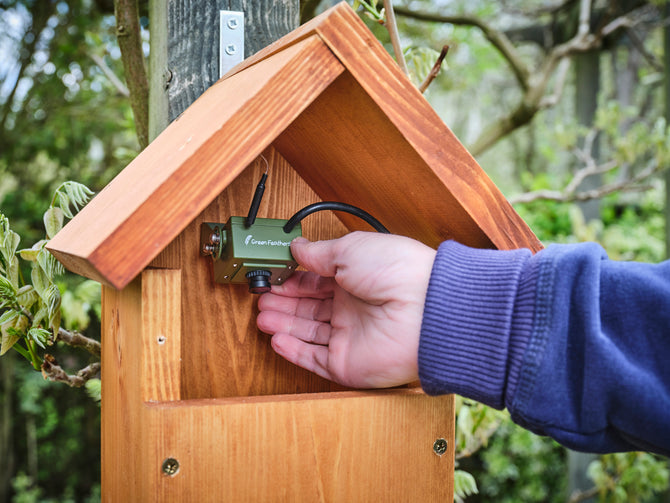
You can even use a discreet wildlife camera to observe natural behavior without interference.
Some communities run Hedgehog Champion initiatives encouraging residents to create safe corridors and monitor activity. This protects wild habitats rather than contributing to the exotic pet trade.
So, can you keep hedgehogs as pets?
Technically speaking, yes it is legal and possible. However, this only applies to specific species, and only with serious commitment. The question of should you keep a hedgehog as a pet is a different answer. For most people, the answer is no. Hedgehogs are wild animals with complex needs, many of which a regular household and lifestyle are unable to provide. Supporting hedgehogs in their natural habitat is usually the more responsible choice, rather than keeping them in captivity.
If you’re passionate about hedgehogs, explore our guides on adding a hedgehog house in your garden and helping hedgehogs thrive in their natural environment. Because sometimes, the best way to love wildlife is to let it stay wild.