


When the days grow shorter and colder, you will likely notice that your garden is considerably quieter compared to the warmer months. However if you know where to look, you will find that it’s still teeming with life. From busy winter garden birds in the UK to secretive mammals and hardy insects, there’s so much British wildlife in winter waiting to be discovered. Grab your binoculars, wrap up warm, and get ready to meet the hidden inhabitants of your garden in the colder months.
Winter garden birds in the UK
Winter is one of the most rewarding times to watch birds. With fewer leaves on the trees and less food in the wild, your garden becomes a lifeline for many species of British winter wildlife.

Look out for:
-
Robins – Britain’s beloved winter bird, often following gardeners for an easy snack.
-
Blue tits and great tits – frequent visitors to suet balls and peanut feeders.
-
Blackbirds and thrushes – rummaging through leaves for worms or feeding on berries.
-
Finches – colourful goldfinches and chaffinches brighten grey winter days.
-
Redwings and fieldfares – irruptive migrants from Scandinavia, escaping harsher northern frosts.
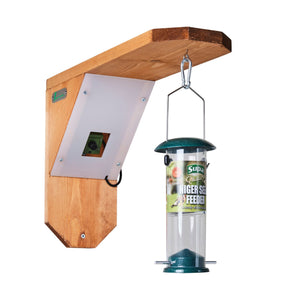
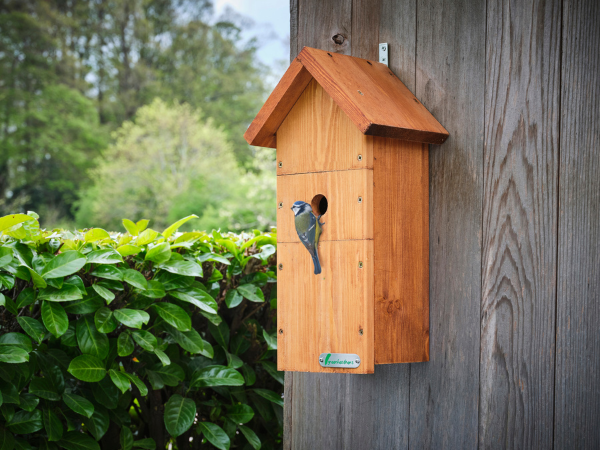
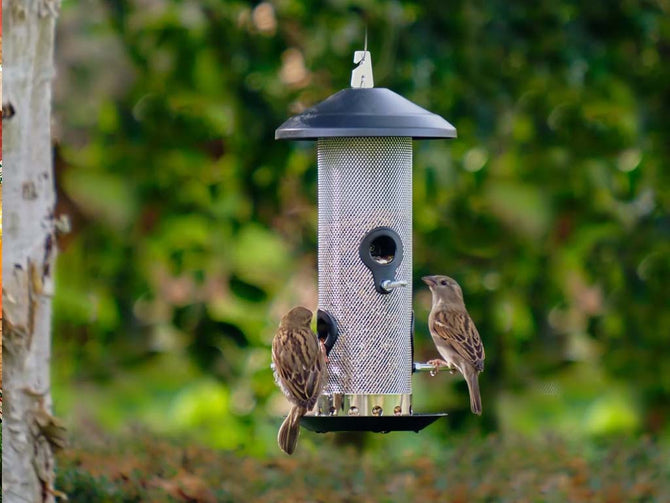
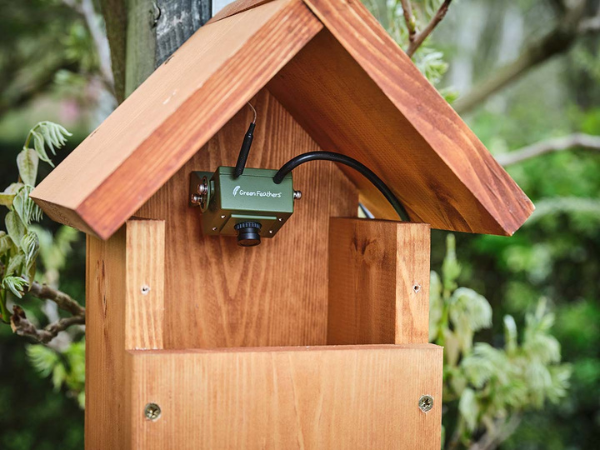
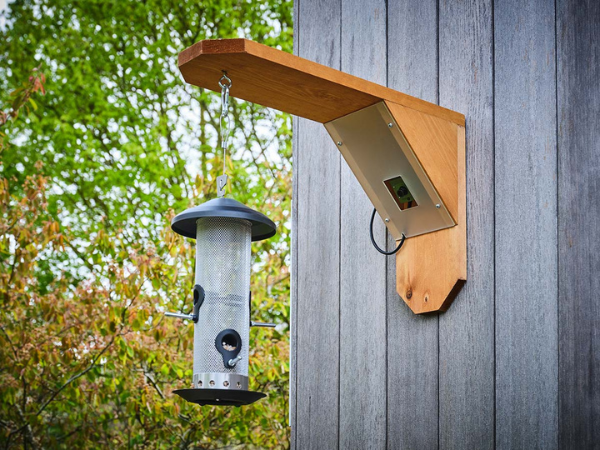
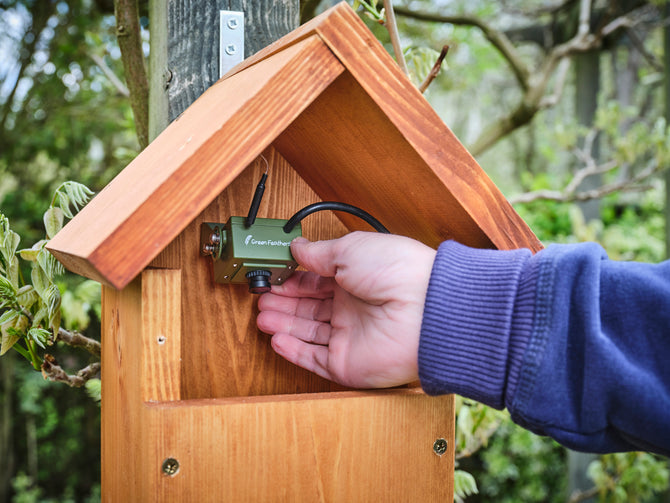
Keep feeders stocked and water sources unfrozen to support wildlife in winter in the UK. Green Feathers’ bird feeders and bird boxes are perfect for attracting a wide range of species.
Mammals and other winter wildlife
Even in the coldest months, plenty of British wildlife in winter remains active.
Examples of mammals you may see in winter:
-
Red squirrels - Native to parts of Scotland, red squirrels rely on food storage, hiding nuts and seeds to access when natural supplies dwindle. They inhabit coniferous and mixed woodlands.
-
Foxes & badgers - These mammals are adaptable foragers. They hunt small mammals, birds, and insects, and scavenge in gardens or urban areas. They are mostly active at dawn and dusk.
-
Mountain hares & arctic hares - Found mostly in the Scottish highlands, these hares camouflage against snow with white winter coats and feed on heather, moss, and twigs in upland and moorland areas.
Providing natural shelter such as dense hedges, log piles, or brushwood can help these mammals find cover and forage safely during harsh weather.
Nocturnal winter wildlife
Winter nights are alive with owl activity, making them a fascinating focus for garden and countryside wildlife watching:
-
Tawny owls – Common across woodlands, parks, and gardens, tawny owls hunt small mammals such as voles and mice. Their distinctive “twit-twoo” call is a hallmark of winter evenings.

-
Barn owls – These silent hunters prefer open countryside, meadows, and farmland. They feed mainly on voles and shrews and rely on old barns, hollow trees, and specially installed nesting boxes to shelter through cold months.
-
Short-eared owls – Unlike most owls, short-eared owls are diurnal, often hunting during daylight in winter over moorlands, grasslands, and coastal marshes. Their low, floating flight makes them spectacular to observe.
Supporting these predators begins with maintaining natural habitats. This might include leaving wild corners, planting dense shrubs, and installing nest boxes or owl platforms. These structures provide roosting sites for owls and protection for the small mammals they prey on.
Hidden guests and hibernators
Not all British winter wildlife is visible. Many species hibernate during the colder months:
-
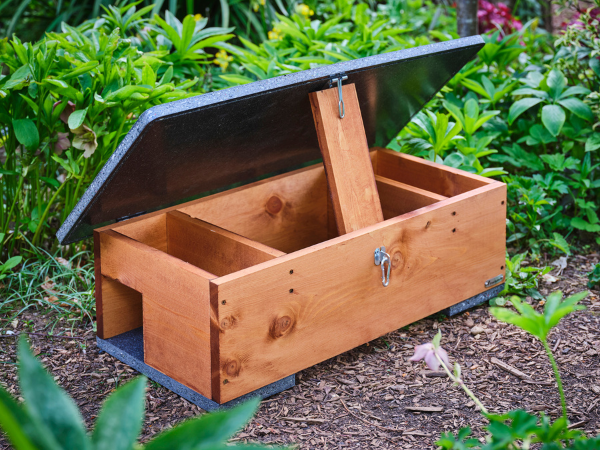
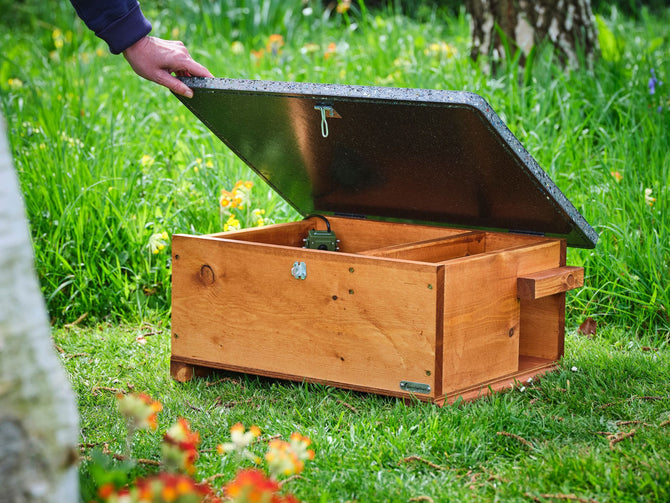
Hedgehogs – Enter true hibernation, seeking leaf piles, compost heaps, or hedgerows. Ensuring gardens have log piles or dedicated hedgehog shelters can dramatically improve survival chances.
-
Frogs and bats – Both retreat to ponds, burrows, or roof spaces to hibernate, slowing their metabolism until spring.
Leaving evergreen trees, leaf piles, and logs untouched provides essential hibernation sites, sheltering insects, amphibians, and hibernating mammals alike. Even small “untidy corners” in your garden create refuges that can make the difference between life and death in extreme cold.
Helping UK wildlife in winter
Supporting UK winter wildlife is easier than many realise, and small actions can have a big impact:
-
Prevent frozen ponds: Create a small ice-free area with hot water or a pond heater so amphibians, birds, and mammals can access drinking water.
-
Feed and hydrate birds: Stock feeders with bird food like seeds, peanuts, suet balls, and fat-rich food. Ensure water is always available and clean.
-
Provide shelter: Hedgehog houses, log piles, dense shrubs, and untidy corners offer refuge from frost and predators.
-
Monitor and assist injured wildlife: Reach out to the Wildlife Aid Foundation or local Wildlife Trusts if you find sick or injured animals. They provide expert advice, emergency care, and rescue services.
-
Create a wildlife-friendly habitat: Plant native shrubs and berry-bearing trees, leave seed heads, and maintain small piles of leaves to support insects, which in turn provide food for birds and mammals.
Embrace the beauty of British winter wildlife
Even in the coldest months, nature never truly sleeps. By offering food, water, and shelter, your garden becomes a winter haven. Every small action contributes to helping UK winter wildlife survive and thrive.
Winter wildlife FAQs
What birds can I attract to a UK garden in winter?
Robins, blue tits, great tits, blackbirds, finches, and irruptive migrants like redwings and fieldfares. Stock feeders with seeds, peanuts, and fat balls for maximum impact.
How can I prevent my garden pond from freezing?
Pour a pan of hot water gently onto the ice to create a hole for wildlife. Floating pond heaters or aerators are also effective.
What mammals are active in UK gardens during winter?
Hedgehogs may hibernate, but foxes, badgers, and red squirrels remain active in the colder months.
How can I help insects survive winter in my garden?
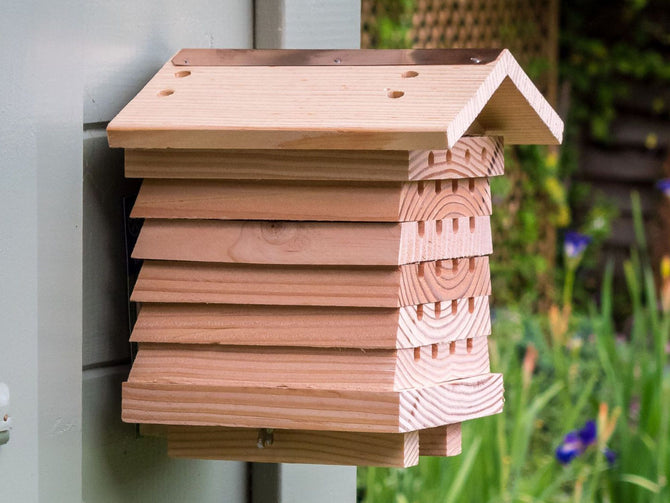
Leave seed heads, dead stems, and leaf litter for overwintering. Install bug hotels and maintain evergreen patches.
Are nocturnal animals visible in winter gardens?
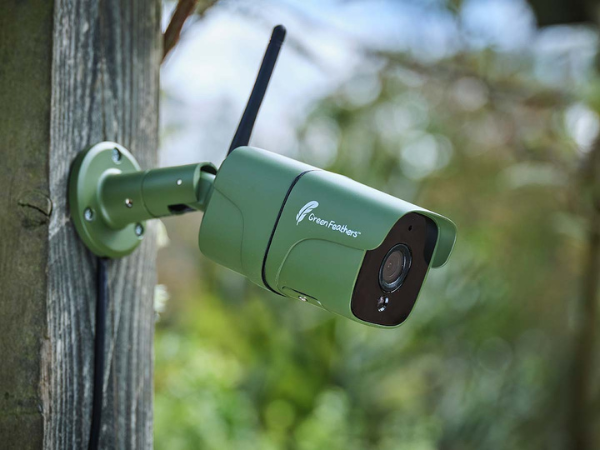
Yes! Owls, foxes, and hedgehogs may be seen at dusk or dawn. Wildlife cameras are a great way to observe without disturbing them.